+86-15371769898
 [email protected]
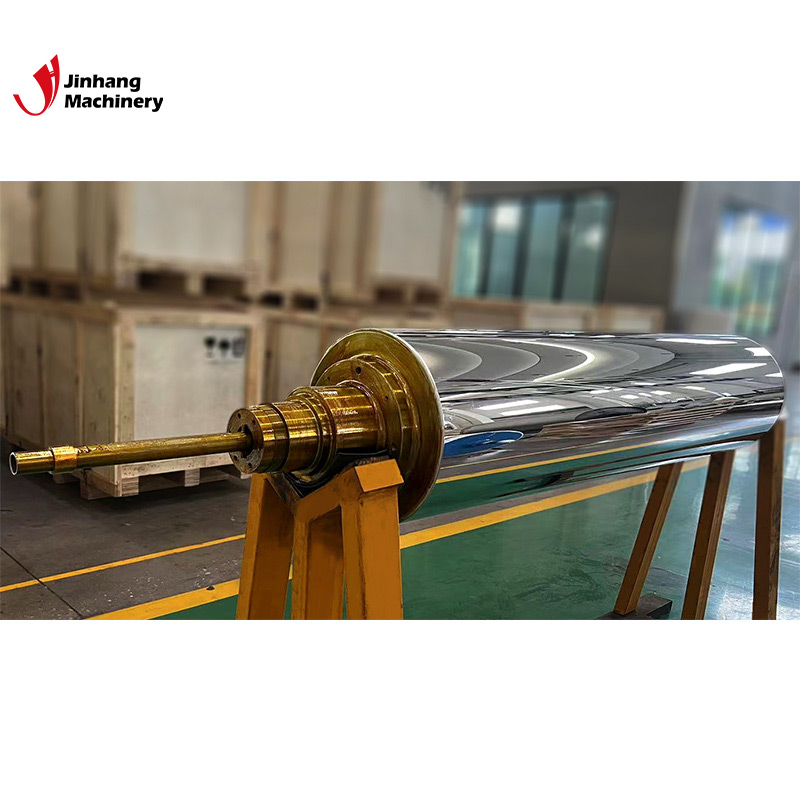
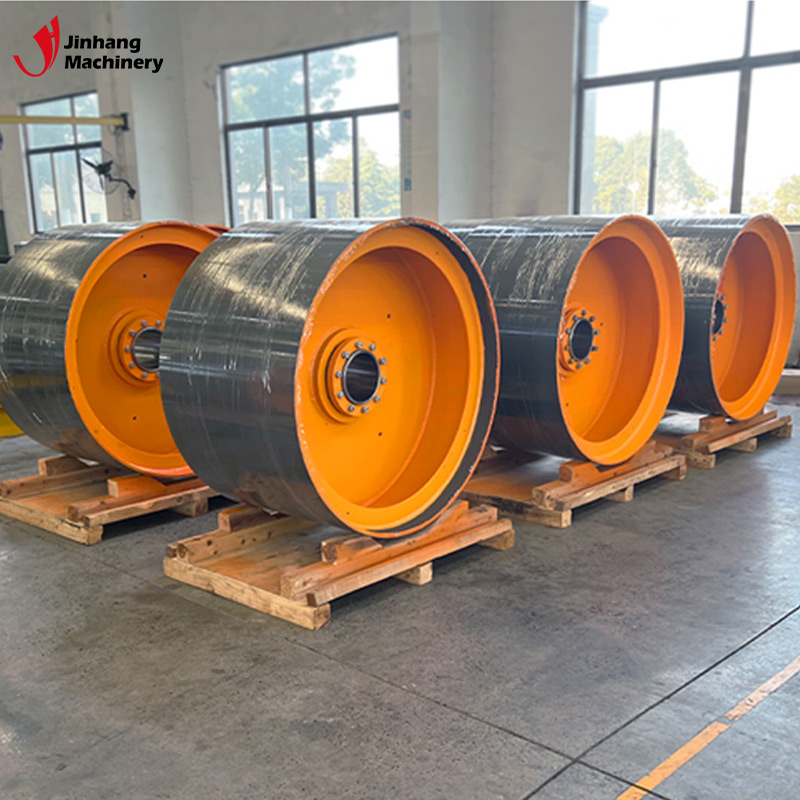
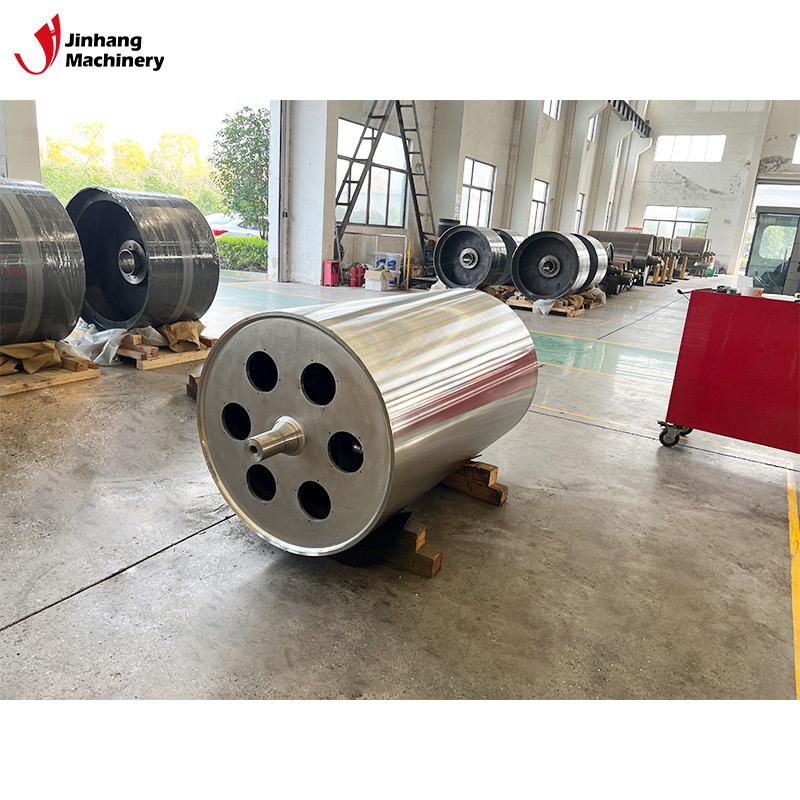
+86-15371769898[email protected]In the vast ecosystem of modern manufacturing, the Rubber Roller is hailed as the “unsung hero” of the industrial world. From high-speed printing presses and complex textile machinery to coating lines in the steel industry, the performance of the rubber roller directly determines the quality of the final product. However, many procurement managers focus only on dimensions when selecting rollers, overlooking the core element: the rubber coating (covering) material.
Choosing the wrong coating material not only leads to low production efficiency but can also trigger a chain reaction: coating swelling, surface cracking, substrate contamination, and even unplanned shutdowns of the entire production line. To optimize your production process, a comprehensive audit of the operating environment is required, including temperature fluctuations, chemical contact, and mechanical loads.
The first step in selecting a Rubber Roller coating is a rigorous audit of its operating environment. As an organic polymer, rubber is highly sensitive to external stressors. If the chosen material does not match the environment, the rubber molecular structure will degrade rapidly, leading to the delamination or hardening of the covering layer.
Different polymers have vastly different glass transition temperatures and thermal degradation points. In high-temperature environments such as plastic film extrusion, heat sealing, or glass manufacturing, standard rubber coatings will become brittle or develop a “tacky” surface within a few hours.
Chemical corrosion is the primary culprit behind “roller swelling.” When incompatible chemicals penetrate the rubber matrix, the roller diameter undergoes micrometer-level changes, destroying precision tolerances.
After addressing the chemical environment, the mechanical demands must be evaluated. A Rubber Roller must withstand repeated mechanical friction, pressure pulses, and high-speed rotation without permanent deformation. This is directly related to tension control and material transmission on the production line.
The hardness of a rubber roller is typically measured using the Shore A scale. This determines the amount of compression the roller undergoes when it contacts a substrate such as paper, fabric, or steel plate.
On high-speed production lines, the surface of a heavy-duty rubber roller is subjected to intense friction.
Every industry has established a set of “standard configurations” for specific processes based on decades of engineering experience. Understanding these industry standards can significantly reduce the trial-and-error costs for businesses during procurement.
| Coating Material | Key Advantage | Recommended Temp | Best For |
|---|---|---|---|
| Natural Rubber | Superior grip and elasticity | -50°C to 80°C | General material handling, drive rollers |
| Nitrile (NBR) | Top-tier oil and fuel resistance | -30°C to 110°C | Printing rollers, metal coating, dyeing |
| Silicone | Excellent heat and release properties | -60°C to 250°C | Heat sealing, lamination, plastic extrusion |
| Polyurethane | Extreme abrasion and load capacity | -30°C to 80°C | Woodworking, steel cold rolling, heavy transport |
| EPDM | Excellent ozone and steam resistance | -40°C to 150°C | Glass manufacturing, cleaning lines, outdoors |
Q: Why does my rubber roller surface soften and start swelling after a period of use?
A: This is a typical symptom of chemical incompatibility. If you are using Nitrile Rubber (NBR) but it comes into contact with ketones or certain powerful cleaning solvents, the rubber absorbs the solvent, leading to volume expansion. In this case, switching to an EPDM or Viton coating is recommended.
Q: Why are there tiny cracks (like orange peel) appearing on the surface of my industrial rubber roller?
A: This phenomenon is commonly known as “Ozone Cracking.” When rubber is exposed to ozone or UV light under tension for long periods, the molecular chains break. If your machinery is near large motors or is located outdoors, you should choose an ozone-resistant material like EPDM.
Q: Do I have to replace the entire roller when the rubber surface is worn out?
A: No. In most cases, the steel core can be preserved. We can strip the old rubber layer and perform “re-covering.” If the surface is only slightly worn, “re-grinding” can restore the roundness and surface roughness, which significantly reduces costs for the company.
Q: How do I choose the right rubber hardness?
A: Hardness selection depends on the requirements for pressure and contact area. Softer rubber provides a larger contact area but has poor pressure resistance; harder rubber is suitable for high-pressure traction. We recommend providing your pressure parameters so an engineer can recommend a specific Shore A value.
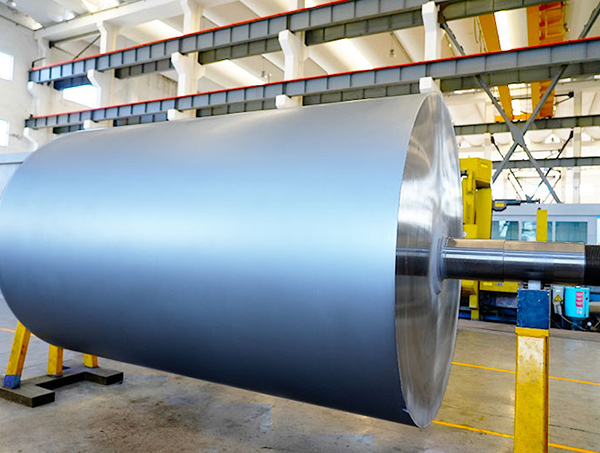
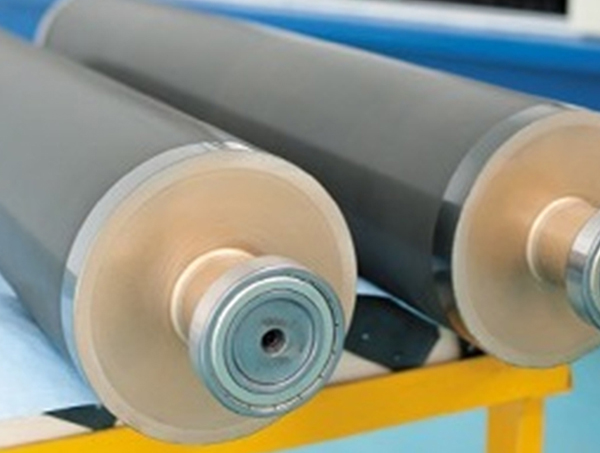
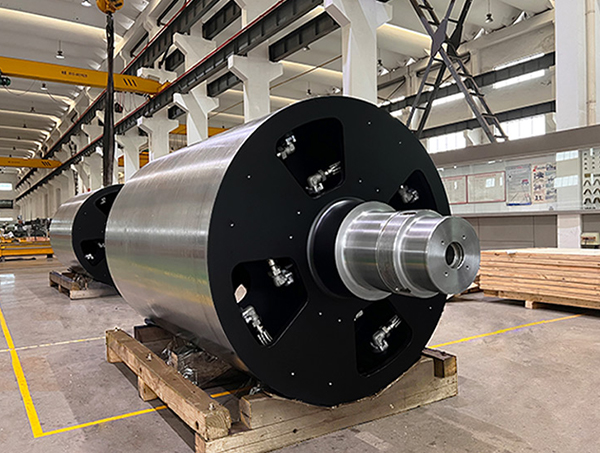
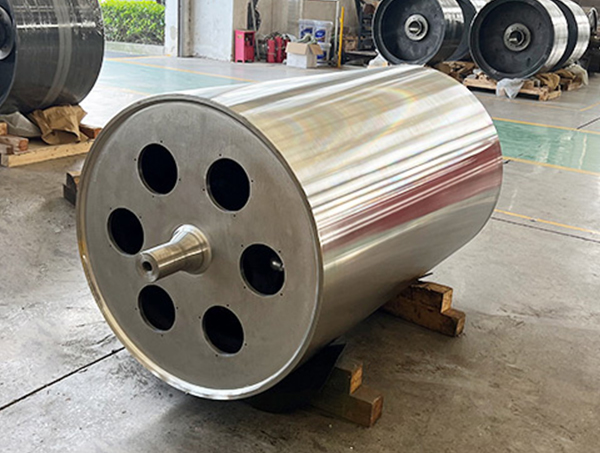
Dedicated to developing and manufacturing various shapes of rolls with different roll structures.
Phone: +86-15371769898
Email: [email protected]
Add: 9 Lifa Avenue, Chengdong Town, Haian County, Nantong City, Jiangsu Province, China
Copyright© 2025 Jiangsu Jinhang Machinery Manufacturing Co., Ltd. All Rights Reserved.
 Custom Thin Walled Roller Manufacturers


 English
 русский
 Deutsch