+86-15371769898
 [email protected]
+86-15371769898[email protected]In the fast-paced world of flexographic printing, the efficiency of your production line is heavily dictated by the components you choose. The Anilox Roller is often described as the “metering heart” of the printing press, responsible for delivering a precise and consistent film of ink to the printing plate. However, one of the most debated topics among press operators and procurement managers is the choice of surface coating: Ceramic vs. Chrome. This choice affects everything from ink transfer efficiency and doctor blade wear to the long-term profitability of your printing operations. Understanding the technical characteristics of these coatings is essential for optimizing print quality and reducing downtime.
Before the advent of advanced plasma-spraying techniques, Chrome Anilox Rollers were the industry standard. These rollers are typically constructed from a steel or copper base. The surface is mechanically engraved using a hardened steel tool or a diamond tip to create a pattern of cells. Once the engraving is complete, the entire roller is electroplated with a layer of industrial-grade chrome to provide a degree of protection and ink release capability.
The primary appeal of chrome-plated rollers is their initial cost-effectiveness. For startup printing operations or facilities focusing on low-complexity tasks, such as corrugated box printing or basic flood coating, the lower price point of chrome is attractive. Furthermore, chrome rollers possess a certain level of ductility. Because the base is metallic, they are less prone to catastrophic “chipping” compared to ceramic surfaces when subjected to minor physical impacts during handling.
Despite their lower cost, chrome rollers face significant hurdles in high-speed, high-definition environments. The mechanical engraving process inherently limits the Lines Per Inch (LPI) that can be achieved, usually capping out around 500 LPI. As the printing industry moves toward finer screens and sophisticated graphics, this limitation becomes a bottleneck. Moreover, chrome is relatively soft (averaging 700-800 Vickers hardness). This means that the constant friction from the doctor blade system acts like sandpaper, slowly grinding down the cell walls. As the cells wear, the Anilox Roller Volume (BCM) decreases, leading to a noticeable loss of color density over time and forcing operators to constantly adjust ink chemistry to compensate.
As flexography evolved to compete with offset and gravure printing, the need for a more durable and precise metering tool led to the rise of Ceramic Anilox Rollers. These rollers utilize a high-density, plasma-sprayed chromium oxide ceramic coating that is subsequently laser-engraved. This technology has revolutionized color management and consistency in the modern pressroom.
The most striking feature of a ceramic coating is its extreme hardness, typically ranging between 1,200 and 1,300 Vickers. This is nearly double the hardness of chrome. Because the surface is so resilient, it effectively resists the abrasive action of both steel and plastic doctor blades. This longevity ensures that the cell geometry remains intact for millions of impressions. For a high-volume manufacturing facility, this translates to fewer roller changes, consistent “first-time-right” color matching, and a significantly lower total cost of ownership (TCO).
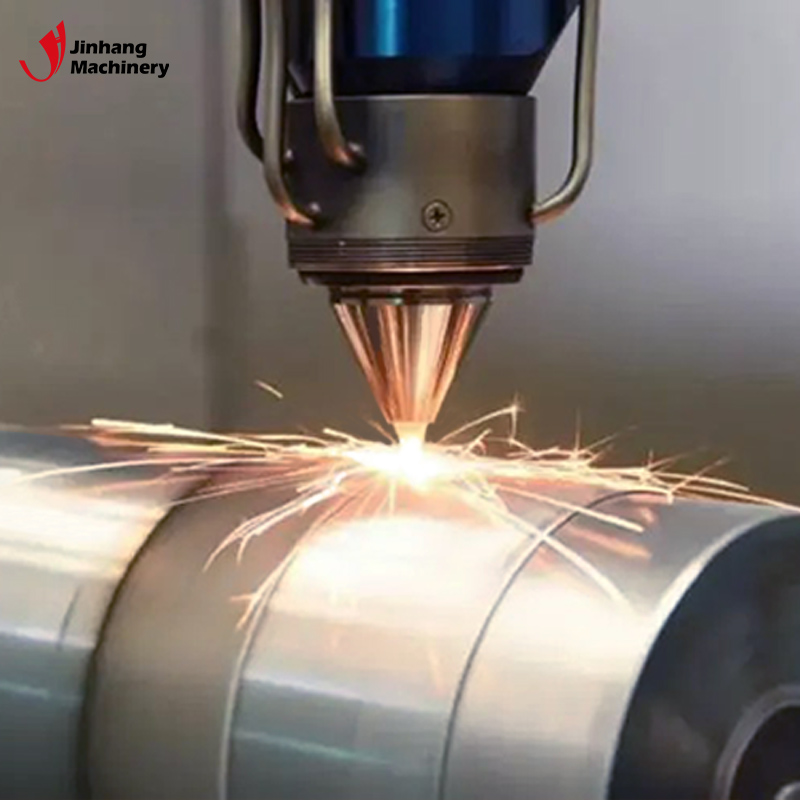
Unlike mechanical tools, high-powered CO2 or fiber lasers can “vaporize” the ceramic surface to create microscopic cells with incredible accuracy. This allows for extremely high line screens (up to 1,500 LPI or more), which are essential for high-definition (HD) flexo.
When evaluating which Anilox Roller technology to implement, it is helpful to view their performance metrics side-by-side. The following table provides a technical comparison based on standard industrial printing conditions.
| Performance Metric | Chrome-Plated Roller | Ceramic Laser-Engraved Roller |
|---|---|---|
| Surface Hardness | 700 - 800 Vickers | 1,200 - 1,400 Vickers |
| Standard LPI Range | 100 - 500 LPI | 100 - 1,800 LPI |
| Ink Transfer Consistency | Declines with wear | Highly stable over time |
| Wear Resistance | Moderate | Exceptional |
| Cleaning Compatibility | Limited (Sensitive to abrasion) | High (Supports Ultrasonic & Laser cleaning) |
| Corrosion Resistance | Moderate (Depends on plating) | Superior (Chemical inertness) |
| Initial Investment | Low | High |
Choosing an Anilox Roller is not just a technical decision; it is a financial one. While ceramic rollers require a higher upfront investment, their impact on the bottom line is often more favorable due to reduced maintenance requirements and improved uptime.
Because ceramic is chemically inert, these rollers can be cleaned using a wider variety of aggressive chemical agents without fear of damaging the surface. In contrast, chrome rollers can be sensitive to certain acidic or alkaline cleaners which may cause pitting in the metal. However, due to the high LPI and smaller cell sizes of ceramic rollers, they are more susceptible to plugged cells. Implementing a routine of daily chemical wiping combined with periodic deep cleaning (such as ultrasonic or sodium bicarbonate blasting) is vital to maintaining the rated Anilox Roller Volume.
When a chrome roller wears down, the resulting color shift can lead to thousands of meters of wasted substrate and hours of press downtime. Ceramic rollers mitigate this risk. If a ceramic roller lasts four times longer than a chrome roller and reduces setup waste by 15%, the initial price premium is often recouped within the first year of operation. Furthermore, the ability to print at higher speeds with consistent ink density allows facilities to increase their total throughput, making the Ceramic Anilox Roller the preferred choice for competitive commercial printers.
A: While you can use standard steel blades for both, it is highly recommended to use high-quality, polished-tip blades for ceramic rollers to prevent “scoring” (hairline scratches). Chrome rollers are softer and can be used with less expensive blades, but wear will occur faster.
A: Yes. One of the major benefits of the ceramic process is that the roller can be stripped, re-sprayed with ceramic, and re-engraved. This “re-manufacturing” process is often 30-40% cheaper than buying a brand-new roller core.
A: Score lines are usually caused by a small piece of hardened ink or metal debris getting trapped between the doctor blade and the ceramic surface. Using magnetic ink filters and proper Anilox Roller cleaning procedures can significantly reduce the risk of scoring.
A: Ceramic is generally superior for both. UV inks have a higher viscosity and require the precise cell structures that only laser engraving can provide. Water-based inks are less problematic, but the corrosion resistance of ceramic is a major advantage against the pH levels found in some water-based formulations.
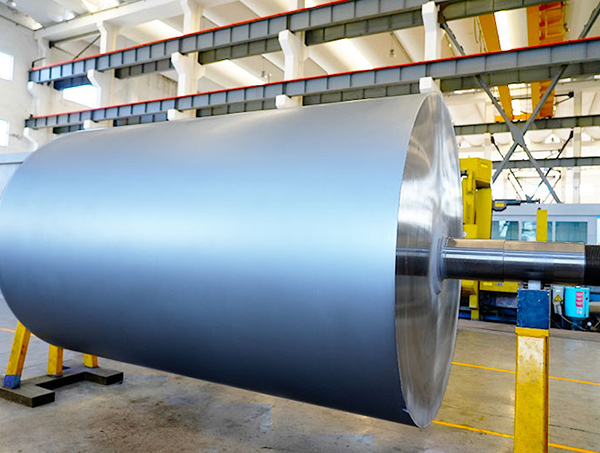
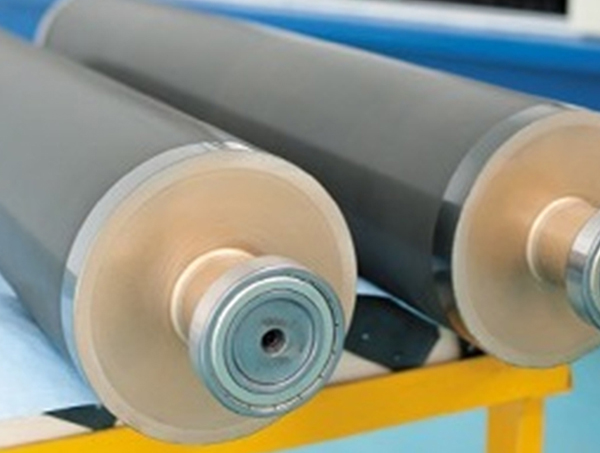
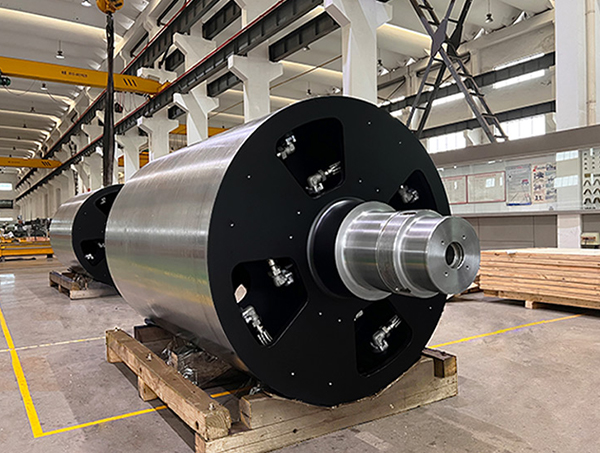
Dedicated to developing and manufacturing various shapes of rolls with different roll structures.
Phone: +86-15371769898
Email: [email protected]
Add: 9 Lifa Avenue, Chengdong Town, Haian County, Nantong City, Jiangsu Province, China
Copyright© 2025 Jiangsu Jinhang Machinery Manufacturing Co., Ltd. All Rights Reserved.
 Custom Thin Walled Roller Manufacturers


 English
 русский
 Deutsch