+86-15371769898
 [email protected]
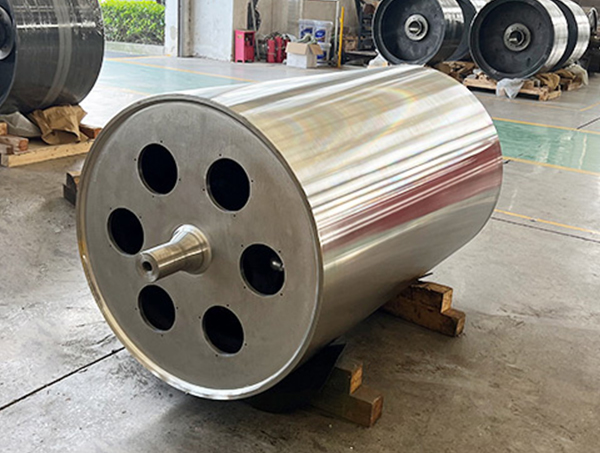
+86-15371769898[email protected]In the sophisticated world of flexography, the Anilox Roller functions as the precision-metering heart of the press. To understand how it works, one must view it not just as a metal cylinder, but as a highly engineered volumetric measuring tool. The primary objective of an anilox roller is to deliver a consistent, microscopic film of ink to the printing plate, ensuring that every meter of substrate produced—whether it is a plastic food wrapper or a corrugated shipping box—looks identical to the first. This process relies on a delicate balance of mechanical engineering, fluid dynamics, and surface science.
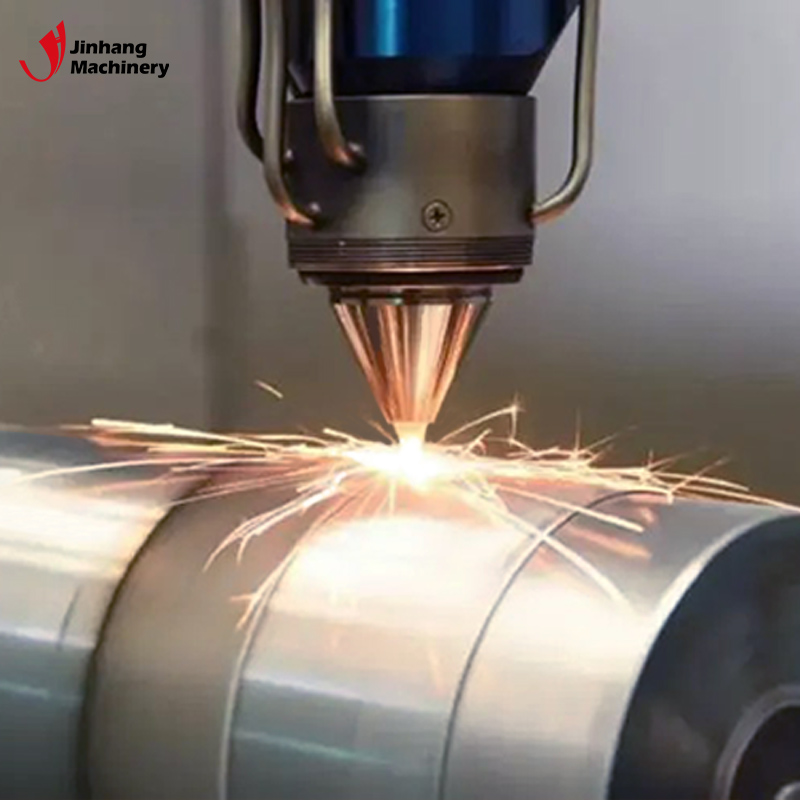
The surface of a modern anilox roller is typically coated with a dense, plasma-sprayed ceramic layer, which is then engraved by high-powered lasers. These lasers create millions of microscopic “cells” or dimples. The geometry of these cells is the defining factor in how the roller performs. Each cell acts as a tiny bucket with a specific depth, opening, and wall structure. When the roller rotates into the ink supply, these cells are filled to capacity. The volume of these cells determines the “theoretical ink volume,” which is the maximum amount of ink the roller can carry per square inch of its surface.
The operational cycle of an anilox roller can be broken down into three distinct phases: Inking, Metering, and Transfer. During the Inking phase, the roller is either partially submerged in an ink fountain or enclosed within a chambered doctor blade system where ink is pumped under pressure. As the roller spins, every cell is flooded.
The Metering phase is perhaps the most critical. As the roller exits the ink reservoir, a doctor blade (a precision-ground steel or plastic scraper) wipes the surface of the roller. This blade removes all excess ink from the “land areas”—the flat peaks between the cells—leaving ink only inside the engraved cavities. This ensures that the ink film delivered to the plate is governed by the volume of the cells rather than the speed of the press or the thickness of the ink in the reservoir. Finally, during the Transfer phase, the anilox roller comes into contact with the raised image areas of the printing plate. Through a combination of nip pressure and surface tension, the ink is “pulled” out of the cells and onto the plate.
To master the use of an Anilox Roller, a printer must understand the two primary technical specifications that dictate its performance: Line Screen (LPI) and Cell Volume (BCM). These two metrics are inversely related and must be carefully balanced to achieve the desired print density and resolution. Choosing the wrong combination can lead to catastrophic print failures, such as “dirty print” where fine text becomes filled with ink, or “pinholing” where solid colors appear washed out and uneven.
LPI stands for Lines Per Inch, representing the number of cells per linear inch along the engraving angle. A higher LPI means the cells are smaller and more densely packed. High-resolution work, such as four-color process printing or high-definition (HD) flexo, typically requires anilox rollers with 800 to 1,200 LPI. These fine engravings are necessary to support the tiny dots on a printing plate. If the anilox cells are too large relative to the plate dots, the dots can actually “dip” into the cells, picking up too much ink and causing dot gain. Conversely, low LPI rollers (200–400 LPI) are used for heavy coverage, such as applying white undercoats on clear film or flood-coating a solid background color.
BCM stands for Billion Cubic Microns per square inch. This is a measure of the total volume of ink that the cells can hold. While LPI describes the resolution, BCM describes the “payload.”
| Printing Requirement | Recommended LPI | Recommended BCM | Resulting Ink Film |
|---|---|---|---|
| Heavy Solids/Coatings | 200 - 350 | 5.0 - 10.0 | Thick, opaque layer |
| Standard Text & Line | 400 - 600 | 3.0 - 5.0 | Crisp edges, good density |
| Process/Tonal Work | 800 - 1000 | 1.8 - 2.5 | Minimal dot gain |
| Ultra-Fine HD Flexo | 1200+ | 1.0 - 1.5 | High detail, photographic quality |
It is a common misconception that a higher BCM always leads to better color. In reality, the Transfer Efficiency—the percentage of ink that actually leaves the cell—is what matters. As cells become deeper to increase BCM, they often become harder to clean and the ink “plugs” more easily. Modern laser engraving technology focuses on creating “shallow and wide” cells, which offer the same volume as deep cells but release the ink more efficiently and are much easier to maintain.
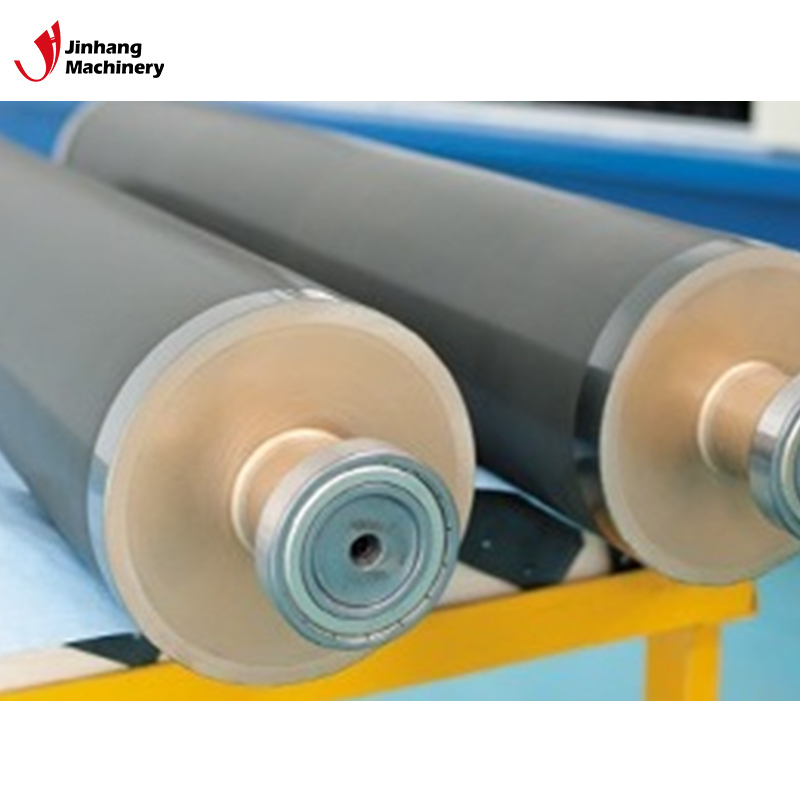
The evolution of the Anilox Roller has been driven by advancements in laser engraving and material science. Early anilox rollers were made of chrome-plated steel and were mechanically engraved. These had limited lifespans and could not achieve the high resolutions required for modern packaging. Today, the industry standard is the ceramic-coated roller, which offers extreme hardness (up to 1300 Vickers) and chemical resistance, allowing it to withstand the constant friction of the doctor blade and the corrosive nature of various ink chemistries.
While the 60-degree hexagonal pattern is the most common due to its efficient nesting and uniform ink distribution, new geometries have emerged to solve specific printing problems.
An anilox roller is an expensive investment, and its performance degrades the moment it starts to become “plugged” with dried ink. When ink dries inside the microscopic cells, the effective BCM drops, and color consistency is lost.
There are three primary methods for maintaining anilox integrity. Chemical cleaning involves using specialized solvents or gels to dissolve dried ink; it is effective for daily maintenance but struggles with deeply plugged cells. Ultrasonic cleaning uses high-frequency sound waves in a chemical bath to create cavitation bubbles that “scrub” the cells. While effective, it must be used carefully to avoid cracking the ceramic. The most modern and effective method is Laser Cleaning, which uses a specialized laser to vaporize dried ink without heating or damaging the ceramic surface. This restores the roller to its original “as-engraved” BCM, significantly extending its service life.
Q: How often should I check the BCM of my anilox rollers?
A: It is best practice to perform a volumetric test (such as a Capatch test or liquid volume test) every 3 to 6 months. Tracking the “wear curve” of your rollers allows you to predict when a roller will no longer meet color standards and needs to be replaced or re-engraved.
Q: Can I use a steel doctor blade on a ceramic anilox roller?
A: Yes, steel blades are the industry standard. Because the ceramic coating is significantly harder than the steel blade, the blade is designed to wear out while the roller remains intact. However, ensuring the blade pressure is kept at a minimum will maximize the life of both the blade and the roller.
Q: What causes “Anilox Scoring”?
A: Scoring occurs when a piece of hard debris (like a metal shard or dried ink) gets trapped between the doctor blade and the roller, “plowing” a permanent line through the ceramic. This is often prevented by using magnetic filters in the ink system and maintaining a clean pressroom environment.
Q: Does the type of ink (Water-based vs. UV) change how the roller works?
A: The mechanical process remains the same, but the cell geometry may need to change. UV inks are typically more viscous and have higher surface tension, often requiring “shallower” cells with better release characteristics compared to thinner water-based or solvent-based inks.
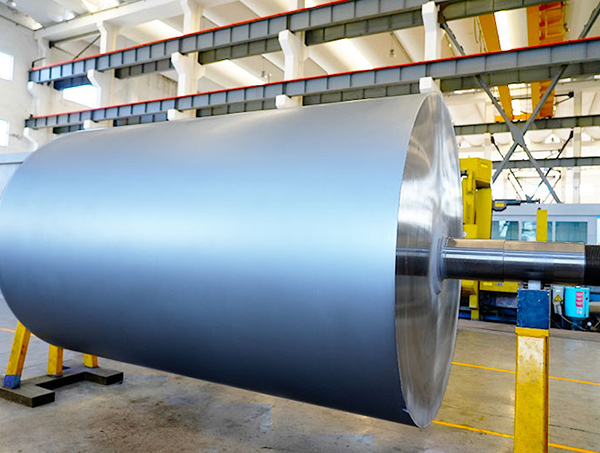
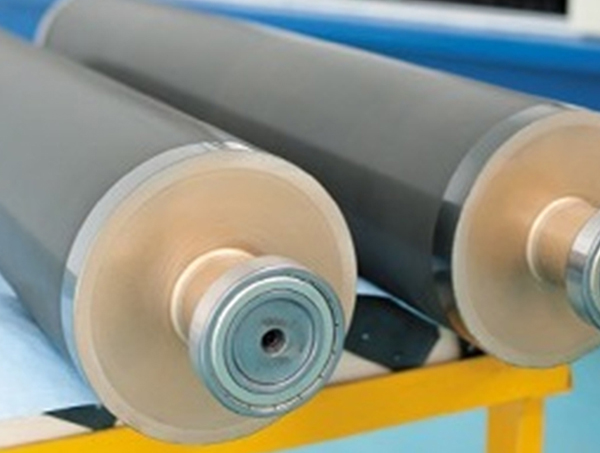
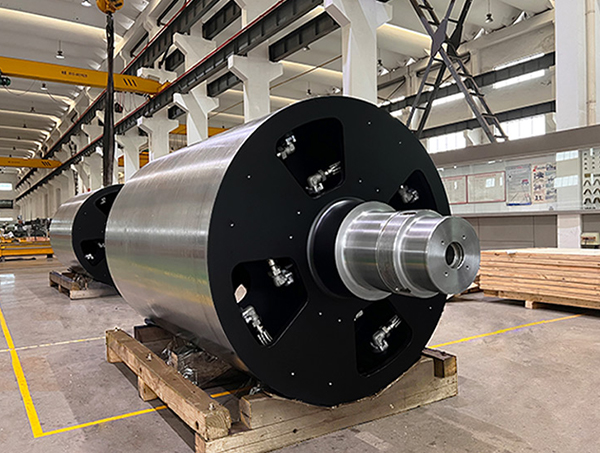
Dedicated to developing and manufacturing various shapes of rolls with different roll structures.
Phone: +86-15371769898
Email: [email protected]
Add: 9 Lifa Avenue, Chengdong Town, Haian County, Nantong City, Jiangsu Province, China
Copyright© 2025 Jiangsu Jinhang Machinery Manufacturing Co., Ltd. All Rights Reserved.
 Custom Thin Walled Roller Manufacturers


 English
 русский
 Deutsch