+86-15371769898
 [email protected]
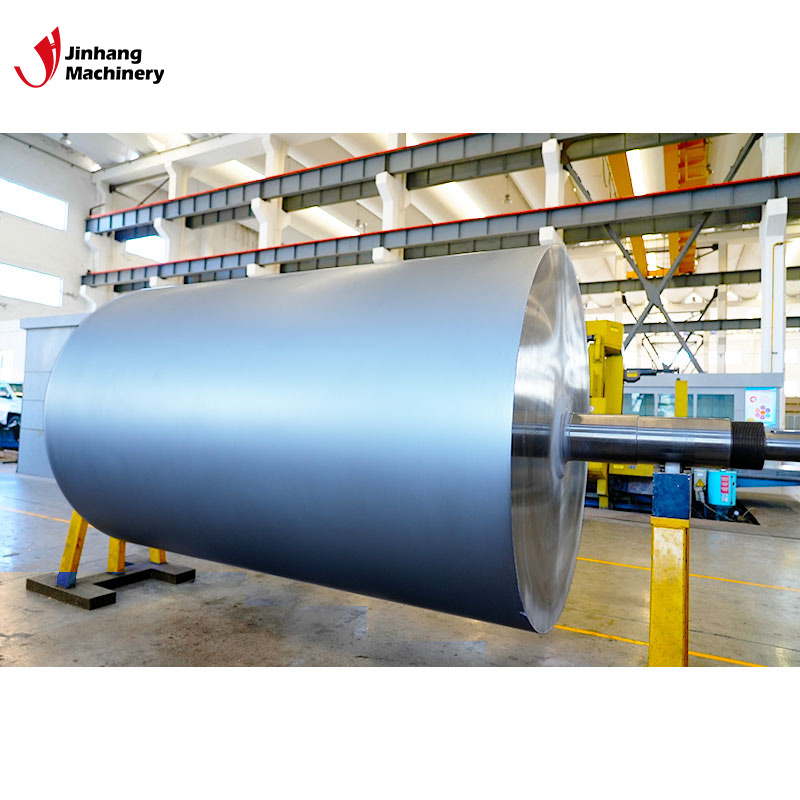
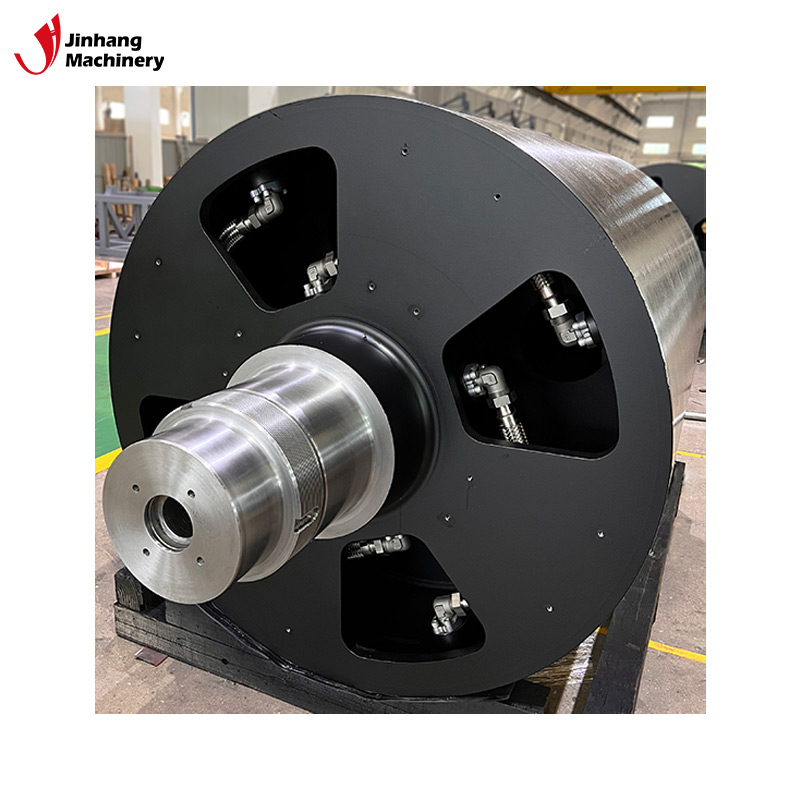
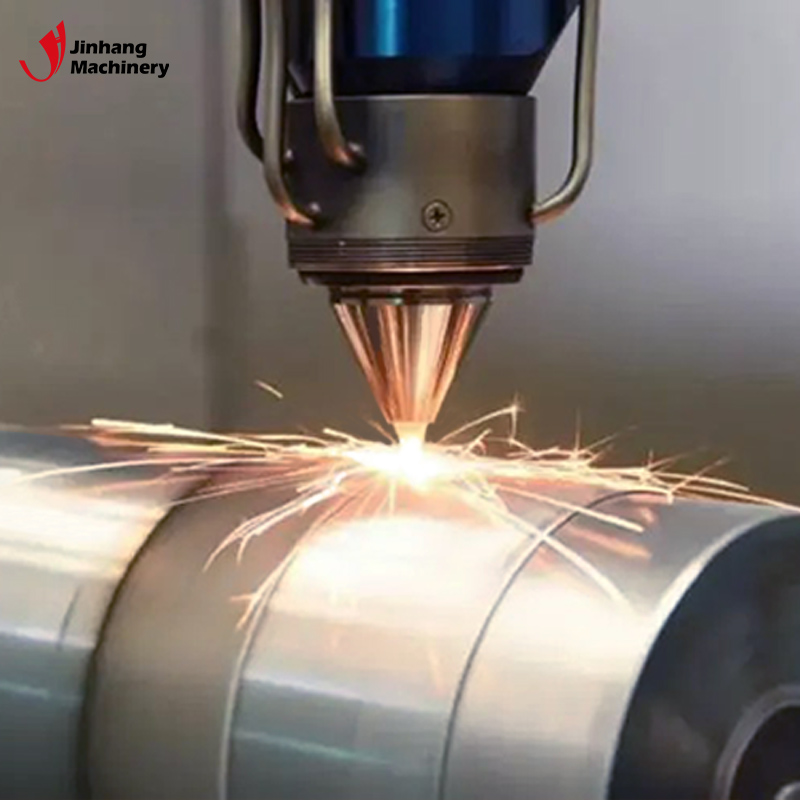
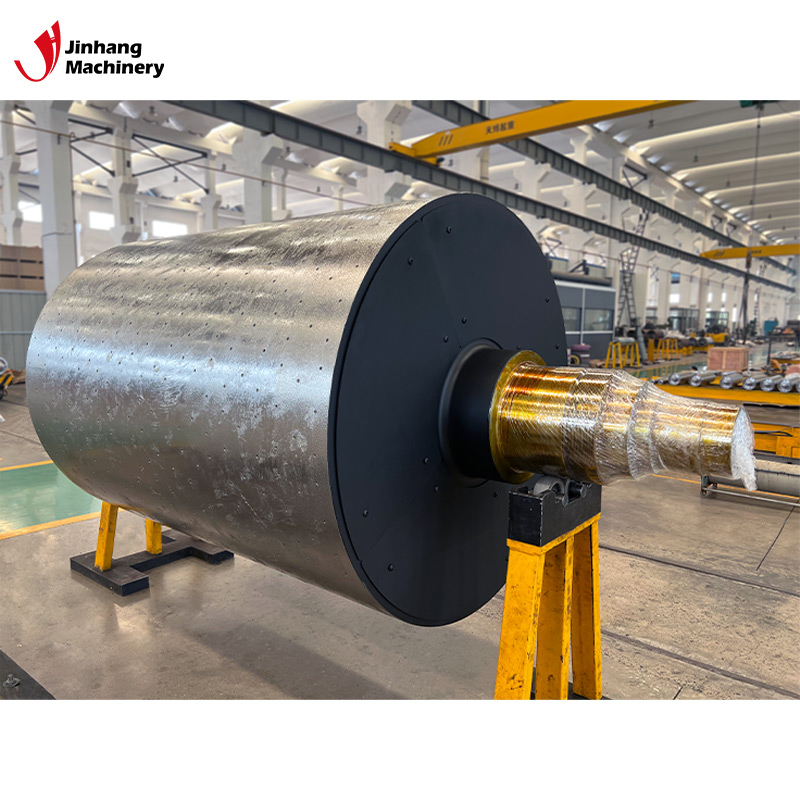
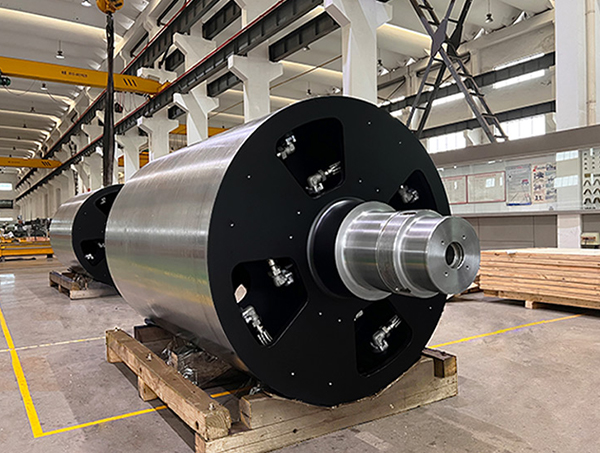
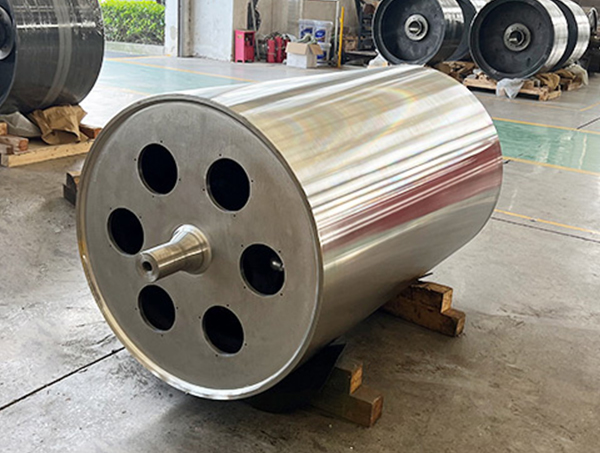
+86-15371769898[email protected]In the modern landscape of high-precision manufacturing, the “surface finish” (Surface Morphology) of a product is often the primary indicator of its quality grade and market value. Whether it is the delicate touch of premium paper, the mirror-like sheen of high-performance steel plates, or the thickness consistency of specialized films, the hero behind the scenes is the industrial roller. A Hard Alloy Coated Roller is an advanced industrial tool developed specifically to meet the demands of high-speed, high-precision production lines. Unlike traditional steel rollers or standard chrome-plated rollers, these units utilize ultra-hard materials like Tungsten Carbide (WC) or Chromium Carbide (CrC) to create a working surface that is virtually immune to the typical wear and tear of industrial cycles.
Surface finish quality is generally measured by the “Ra” value (Roughness Average). In precision manufacturing, achieving a low Ra value is essential for reducing friction and enhancing the aesthetic appeal of the final product. A hard alloy coated roller improves this metric by providing an incredibly dense, non-porous surface. Because the coating material is exceptionally hard, it does not develop the microscopic scratches or “pitting” common in softer, traditional rollers. This means that whether you are on the first meter or the millionth meter of a production run, the surface texture remains highly consistent, significantly reducing rejection rates and scrap.
When it comes to improving surface finish, the “Young’s Modulus” or rigidity of the roller surface plays a decisive role. When a roller is under high pressure—such as in a calendering or laminating process—standard materials can experience “micro-deformation.” This momentary change in shape leads to uneven pressure distribution across the material, resulting in “orange peel” textures or slight variations in thickness.
The Hard Alloy Coated Roller solves this physical bottleneck. Its surface hardness typically reaches between 1200 and 1500 HV (Vickers Hardness), which is significantly higher than that of standard quenched industrial steel. This extreme hardness ensures that the roller maintains its perfect geometric profile even under heavy loads.
| Feature | Hard Alloy Coated Roller (Tungsten Carbide) | Standard Hard Chrome Roller |
|---|---|---|
| Surface Hardness | 1200 - 1450 HV | 800 - 1000 HV |
| Wear Resistance | 5x to 10x Higher | Standard |
| Corrosion Resistance | Excellent (Chemical Inertness) | Moderate (Subject to Pitting) |
| Porosity | < 1% (Extremely Dense) | 2% - 5% (Micro-cracks common) |
| Max Service Temp | Up to 500°C (WC) / 850°C (CrC) | Around 400°C |
| Surface Longevity | Exceptional Consistency | Degrades as chrome wears |
In processes like plastic extrusion, cold metal rolling, or papermaking, heat is both a tool and a threat. Excessive friction between the roller and the material can generate thermal stress, leading to “surface burns” or “heat streaks” that destroy the visual integrity of the product. Hard alloy coatings typically have a lower coefficient of friction compared to untreated steel, allowing the material to glide smoothly over the surface and reducing the risk of surface tearing caused by drag.
Standard rollers often experience “thermal expansion” during long runs, which can change the roller’s “crown” (profile) and lead to uneven pressure. Hard alloy materials, especially those containing ceramic phases, have a much lower coefficient of thermal expansion and superior thermal conductivity.
Surface finish quality is frequently threatened by “pitting,” which is usually caused by chemical reactions between the roller surface and the materials being processed or the cleaning agents used. A Hard Alloy Coated Roller is chemically inert, meaning it resists corrosion from acidic or alkaline substances.
On softer rollers, microscopic particles from the product (such as paper dust, metal debris, or coating residues) can easily become embedded in the surface—a phenomenon known as “pick-up.” Once this occurs, the embedded particles scratch every subsequent meter of the product.
For B2B decision-makers, the core business logic of the hard alloy coated roller lies in the stability of its “Surface Finish Lifecycle.” With standard rollers, surface quality starts at 100% and gradually declines as wear sets in, eventually requiring a shutdown for regrinding. A hard alloy coating, however, maintains peak performance over a significantly longer timeframe.
While the initial investment in a hard alloy coating is higher than standard electroplating, the ROI (Return on Investment) is found in lower maintenance costs and higher yields:
What is the typical thickness of a hard alloy coating?
Most industrial coatings range from 0.1mm to 0.3mm (100 to 300 microns). While thin, the extreme hardness of the alloy provides more protection than several centimeters of standard steel.
Can a damaged hard alloy coated roller be repaired?
Yes. Unlike some one-time heat treatments, hard alloy coatings can be stripped and reapplied (resurfaced). This allows customers to reuse the expensive steel core multiple times, making it a sustainable long-term investment.
How does HVOF coating differ from standard plasma spraying?
HVOF (High-Velocity Oxy-Fuel) produces much higher particle velocities, resulting in a coating with stronger bond strength, higher density, and lower porosity (usually less than 1%). This makes it the preferred process for industrial rollers requiring a superior surface finish.
Which is better for my industry: Tungsten Carbide or Chromium Carbide?
Tungsten Carbide offers the strongest wear resistance for environments below 450°C. If your operating conditions exceed 500°C and involve a highly corrosive environment, Chromium Carbide is the better choice.
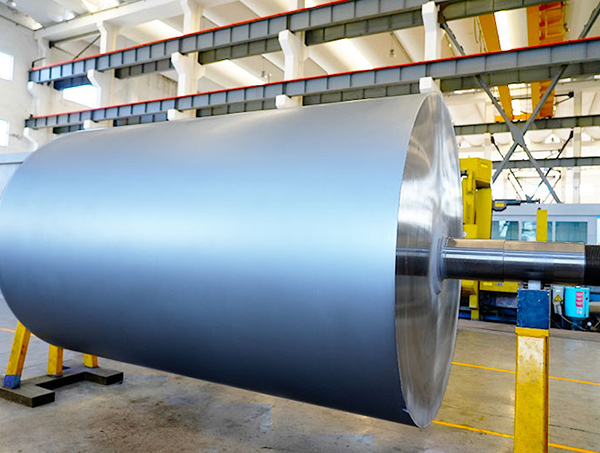
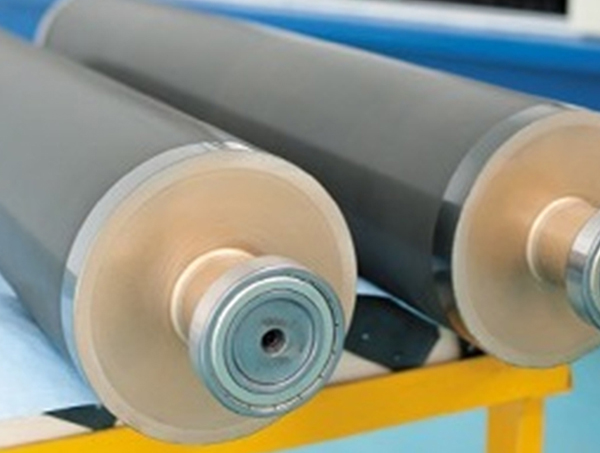
Dedicated to developing and manufacturing various shapes of rolls with different roll structures.
Phone: +86-15371769898
Email: [email protected]
Add: 9 Lifa Avenue, Chengdong Town, Haian County, Nantong City, Jiangsu Province, China
Copyright© 2025 Jiangsu Jinhang Machinery Manufacturing Co., Ltd. All Rights Reserved.
 Custom Thin Walled Roller Manufacturers


 English
 русский
 Deutsch