+86-15371769898
 [email protected]
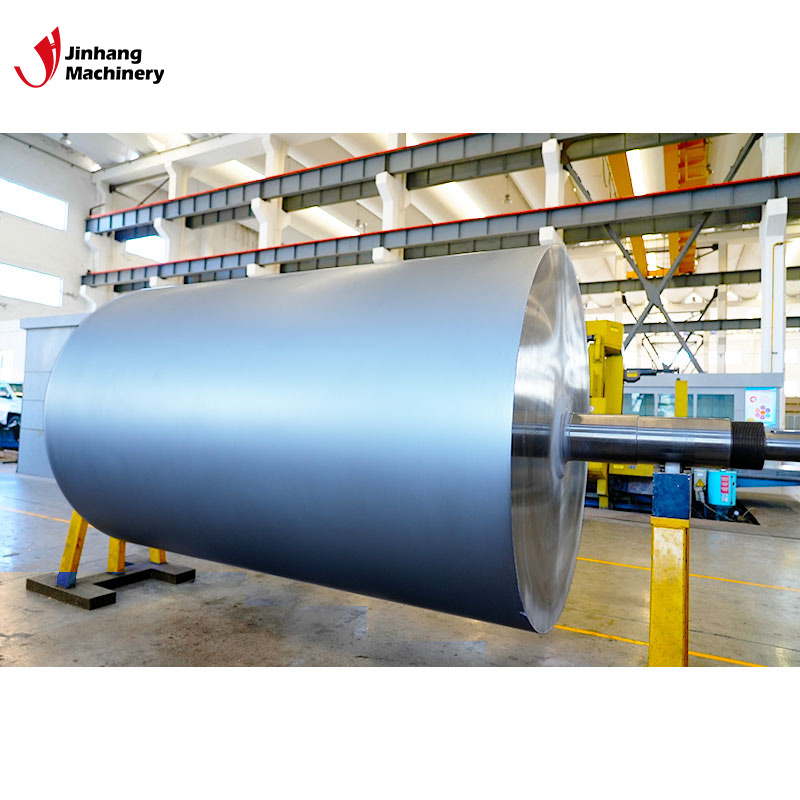
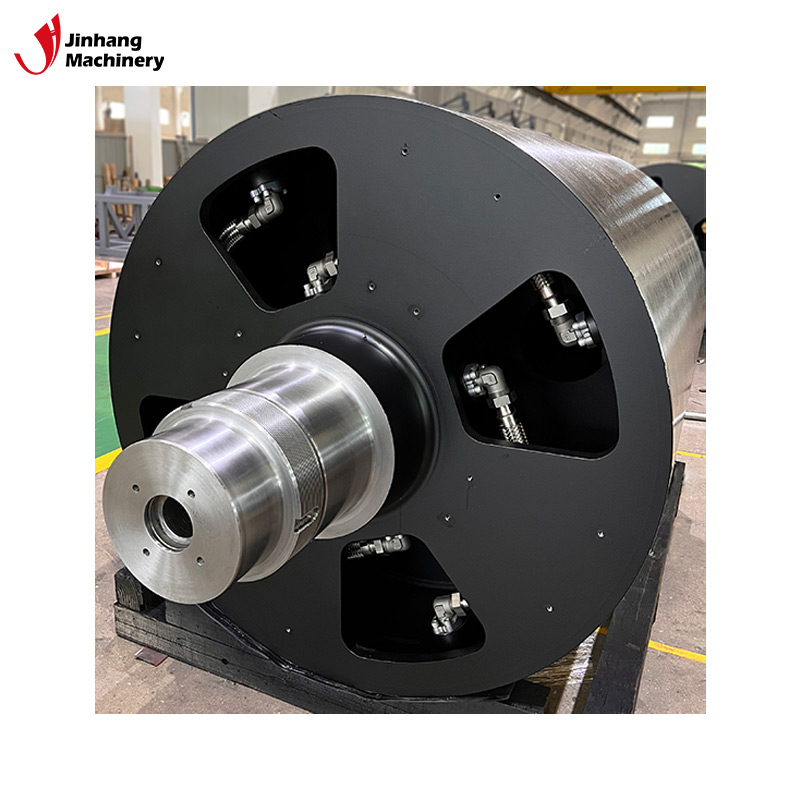
+86-15371769898[email protected]A Steel Roller is a cylindrical mechanical component made from high-strength steel, designed to rotate around its axis and support, guide, or process materials in industrial operations. Industrial steel rollers are essential for a wide range of applications, including metal forming, conveyor systems, paper and textile production, food processing, and packaging. Due to their strength, precision, and durability, steel rollers help improve workflow efficiency, reduce manual labor, and ensure consistent product quality.
Steel rollers are manufactured in various sizes, surface finishes, and hardness levels to meet specific operational requirements. Depending on the application, a steel roller may be smooth, textured, coated, or heat-treated to resist wear and corrosion. In industrial settings, the correct selection of steel rollers ensures smooth transportation of materials, accurate shaping or flattening of metal sheets, and consistent pressure during pressing or laminating processes.
Modern industries increasingly rely on steel rollers for continuous production systems. They play a critical role in maintaining the efficiency and safety of industrial machinery while supporting heavy loads and minimizing friction. A well-maintained steel roller can extend the lifespan of machinery, improve product quality, and reduce overall operational costs.
Conveyor steel rollers are widely used in manufacturing and logistics to move products efficiently along a production line. These rollers are designed to bear heavy loads and reduce friction, enabling smooth transport of materials ranging from small packages to large industrial components. Conveyor rollers can be fixed, powered, or gravity-driven, and they often feature sealed bearings to extend service life. High-quality steel rollers for conveyor applications ensure reduced energy consumption, lower maintenance costs, and reliable operation under continuous use.
They are particularly critical in warehouse systems, assembly lines, and automated sorting facilities. Selecting the correct diameter, hardness, and coating for conveyor rollers can significantly impact performance, especially in heavy-duty or high-speed operations.
Steel rollers used in metal forming and shaping are essential in rolling mills for processing sheets, strips, and plates. These rollers ensure uniform thickness, smooth surface finishes, and precise dimensional control. Depending on the material and production requirements, forming rollers may have specialized coatings or surface patterns to prevent slippage and maintain high precision.
Applications include steel sheet rolling, aluminum strip production, and other metalworking processes. The accuracy of forming rollers directly affects the quality of the final product, making routine maintenance and inspection crucial. Proper alignment, surface integrity, and hardness of the rollers are necessary to prevent defects such as warping, scratches, or uneven thickness.
Steel rollers are also widely used in industrial presses and laminating machines. In the paper, textile, and plastic industries, press rollers compress, emboss, or laminate materials, requiring high surface consistency and even pressure distribution. Industrial steel rollers provide the necessary strength and durability to operate under high pressures and continuous workloads.
Laminating rollers often include precise surface finishes to prevent material sticking or tearing, ensuring smooth application of adhesives, coatings, or protective films. Choosing the right steel grade and hardness can significantly enhance roller lifespan, reduce downtime, and maintain consistent product quality.
Steel rollers are designed to support heavy industrial loads, making them ideal for applications such as metal sheet rolling, conveyor transport of bulk materials, and high-speed production lines. Their load-bearing capability prevents deformation, ensures smooth operation, and allows machinery to handle large volumes efficiently.
Industrial steel rollers are made from high-strength alloy or carbon steel and often undergo heat treatment to improve wear resistance. This ensures that the rollers can withstand abrasive materials, continuous operation, and harsh environmental conditions. Durability translates into lower replacement costs, reduced downtime, and longer intervals between maintenance.
In metal forming, shaping, and laminating, steel rollers provide precise dimensional control and consistent surface finishes. Accurate rollers are critical for producing high-quality sheets, strips, and other materials. Precision-engineered rollers reduce waste, improve product aesthetics, and increase overall manufacturing efficiency.
Steel rollers can be customized in diameter, length, surface finish, and hardness to meet the specific requirements of different industries, including steel processing, textile manufacturing, food processing, and packaging. This versatility makes them a core component in modern industrial machinery.
| Industry | Steel Roller Application |
|---|---|
| Steel & Metal Processing | Rolling, shaping, flattening sheets and plates |
| Paper & Pulp | Pressing, calendaring, coating paper sheets |
| Textile | Laminating, embossing, material handling |
| Food Processing | Conveyor systems, dough and packaging rollers |
| Packaging & Logistics | Material transport, conveyor line rollers |
Inspect steel rollers regularly to identify wear, cracks, surface corrosion, or misalignment. In industrial production, unnoticed damage can lead to machinery breakdown, product defects, or operational hazards. Use visual inspections combined with measurement tools to check for concentricity, diameter uniformity, and bearing conditions.
Keep roller surfaces clean from debris, dust, or residues that can damage materials or affect friction. Lubricate bearings and moving parts as recommended by manufacturers to reduce friction and prevent premature wear. Proper lubrication also improves efficiency and reduces energy consumption.
Worn or damaged components, including bearings, seals, or the roller surface, should be replaced promptly to maintain operational efficiency and product quality. Regularly scheduled maintenance helps prevent unplanned downtime and extends the overall lifespan of the rollers.
A: High-carbon steel, alloy steel, and stainless steel are commonly used for their hardness, durability, and corrosion resistance.
A: Yes. Industrial steel rollers can be tailored in diameter, length, surface finish, and hardness to suit specific applications.
A: Depending on usage and maintenance, steel rollers can last several years, with proper care extending their operational life.
A: Absolutely. They are designed to handle high loads, continuous operation, and abrasive materials in demanding industrial environments.
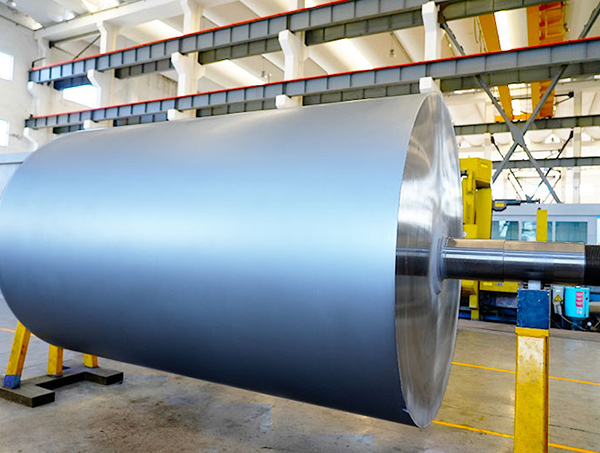
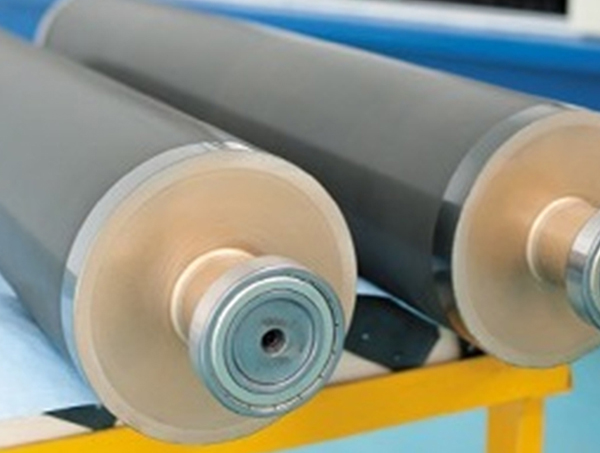
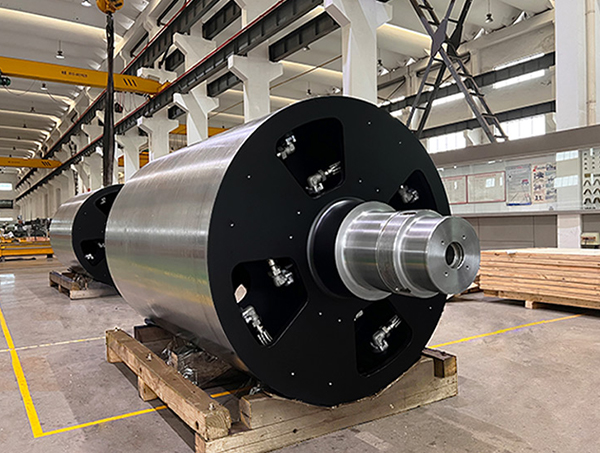
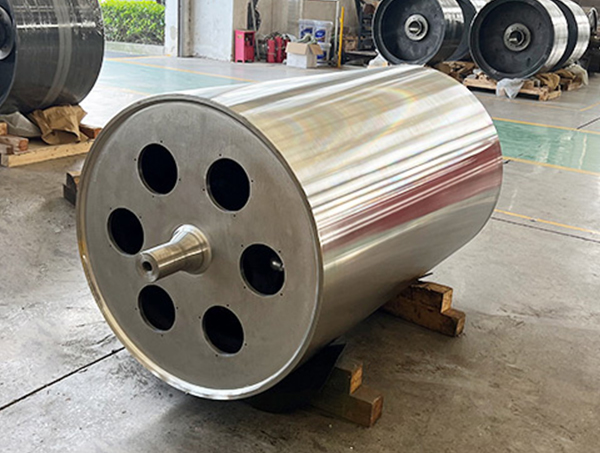
Dedicated to developing and manufacturing various shapes of rolls with different roll structures.
Phone: +86-15371769898
Email: [email protected]
Add: 9 Lifa Avenue, Chengdong Town, Haian County, Nantong City, Jiangsu Province, China
Copyright© 2025 Jiangsu Jinhang Machinery Manufacturing Co., Ltd. All Rights Reserved.
 Custom Thin Walled Roller Manufacturers


 English
 русский
 Deutsch