+86-15371769898
 [email protected]
+86-15371769898[email protected]Picture a rubber roller sitting near a heat source and exposed to outdoor ozone all day. Within months, the surface hardens, fine cracks appear, and the line has to stop for a replacement cost nobody budgeted for. That failure pattern is exactly why EPDM material exists.
EPDM material—ethylene propylene diene monomer—is a synthetic rubber designed to survive the combination of ozone, heat, moisture, and mechanical stress that destroys many other elastomers.
EPDM stands for ethylene propylene diene monomer. It is a thermoset synthetic rubber made by polymerizing ethylene, propylene, and a small amount of a diene monomer. The diene adds crosslinking sites, which let the polymer be vulcanized into a durable network. The saturated backbone of the polymer chain gives EPDM its outstanding resistance to ozone, heat, and weather.
Unlike natural rubber or SBR, EPDM does not contain double bonds in the main chain. That chemical structure is the reason it resists attack by ozone and ultraviolet light. In practice, an EPDM roller can keep its flexibility and surface integrity for years in outdoor service, while a general-purpose rubber roller would begin to crack much sooner.
Understanding the definition helps you see why EPDM is a separate material category in the ASTM D2000 standard. The "M" in EPDM refers to the saturated main chain, and the "D" refers to the diene used for curing.
For roller and gasket applications, the practical value of EPDM lies in three areas: weather resistance, temperature tolerance, and flexibility under repeated stress.
| Property | Typical Range | What It Means for a Roller |
|---|---|---|
| Durometer hardness (Shore A) | 60–90 | Higher values resist cutting and abrasion, lower values provide grip and conformability. |
| Tensile strength | 7–14 MPa | Indicates the load the rubber can carry before tearing. |
| Elongation at break | 200–400% | Higher values allow the roller to tolerate misalignment and stretching. |
| Compression set | 20–40% | Lower values mean the roller returns to its original shape after being compressed. |
| Temperature range | -40 to 150°C | Defines the continuous service limits for most EPDM compounds. |
| Ozone resistance | Excellent | Prevents surface cracking in outdoor or ozonated environments. |
EPDM also resists polar fluids such as water, steam, alcohols, and weak acids. It does not perform well with petroleum-based oils, fuels, or aromatic hydrocarbons. That distinction matters in a production environment because a roller that looks fine on paper can fail quickly if it contacts the wrong process fluid.
One of the fastest ways to understand EPDM is to place it next to two common elastomers. Natural rubber is tough but has poor ozone resistance. Nitrile rubber handles petroleum oils but has a lower heat ceiling. EPDM trades oil resistance for superior weather and heat performance. For a roller exposed to sunlight, steam, or high ambient temperatures, that trade is usually worth it. For a roller in contact with hydraulic oil, a nitrile or other specialty compound would be the safer choice. The material definition therefore has to be matched with the process fluid, not the price.
This comparison also shows why EPDM is not a universal rubber. It is the right answer for a specific set of conditions, and those conditions are common in many industrial lines. When you select a roller, the supplier should be able to tell you exactly which compound is used and what its continuous service envelope is.
Because EPDM is so effective in outdoor and high-temperature environments, it is a common covering material for guide rollers, tension rollers, and conveying rolls. In the rubber and plastics industry, where ozone, heat, and process chemicals are part of daily operation, EPDM rollers help keep lines running with fewer unplanned stops.
In packaging and printing, EPDM rollers often act as feed or guide rolls. In textile processing, they help control fabric tension. In tissue manufacturing, they can contact moisture and steam. All of these environments favor EPDM's resistance to water, ozone, and moderate heat.
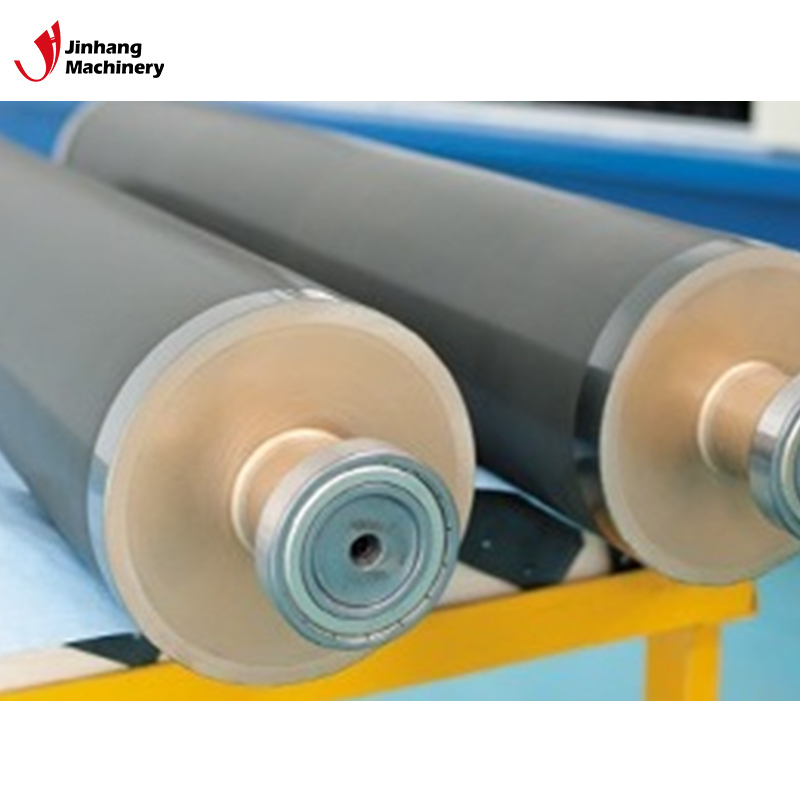
Manufacturers who need a long service life often choose an ozone-resistant EPDM rubber roller instead of a general-purpose rubber compound. The right compound design also affects roll speed, web tension, and surface finish, so the material definition has to be matched with the mechanical loading and the process environment.
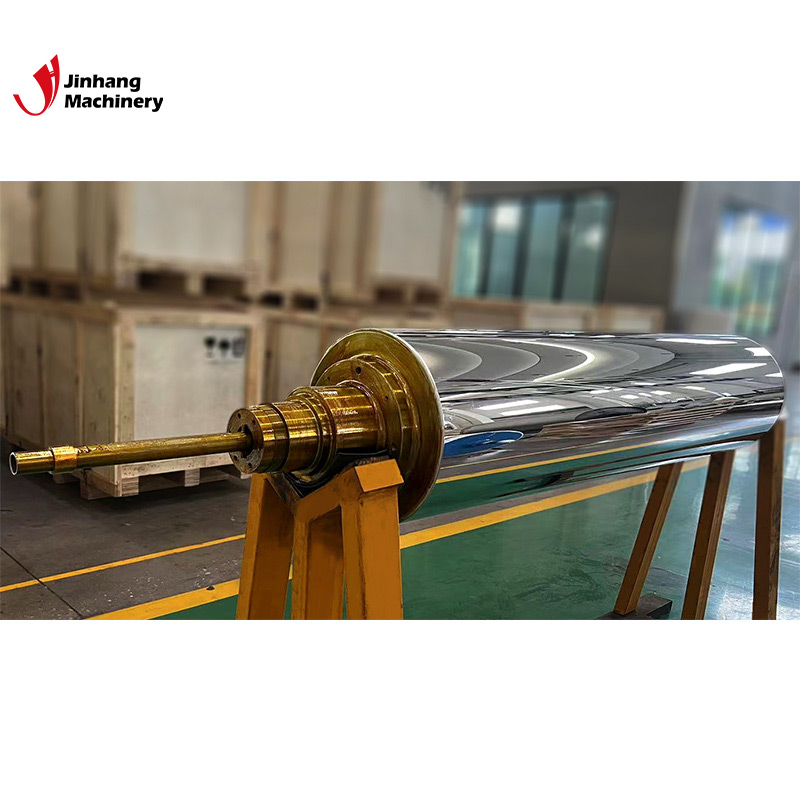
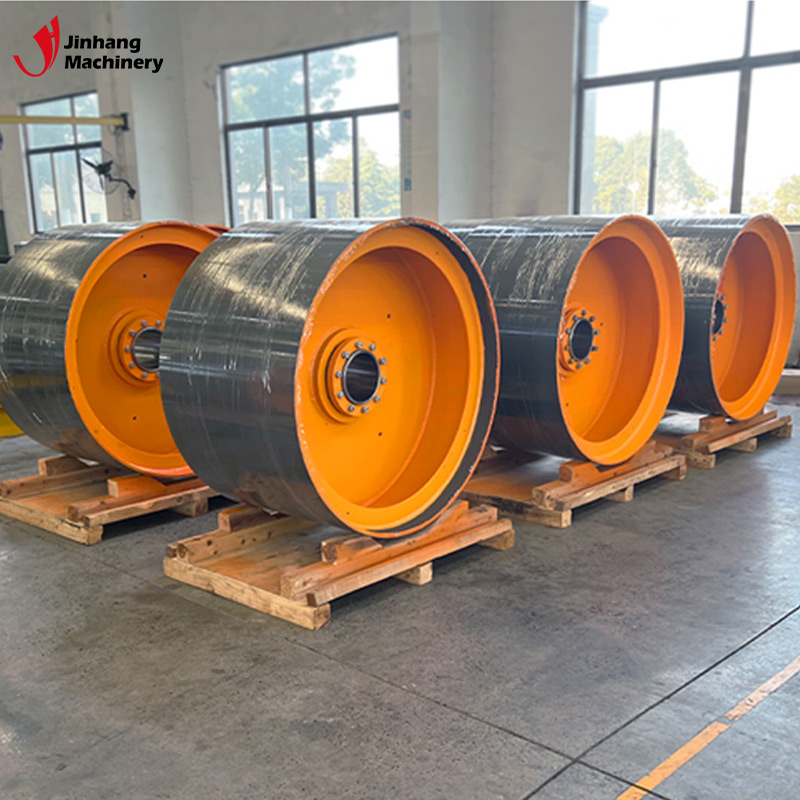
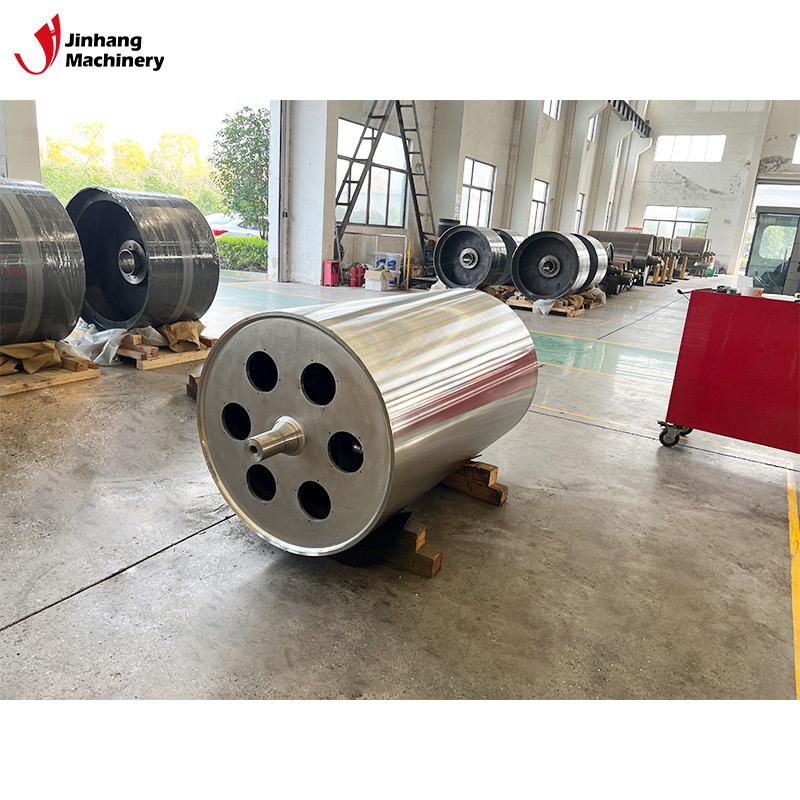
Jiangsu Jinhang Machinery Manufacturing Co., Ltd. produces ozone-resistant EPDM rubber rollers that are tailored for this kind of duty.
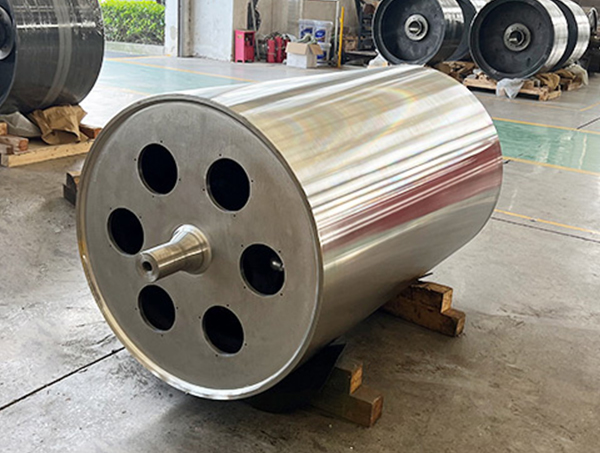
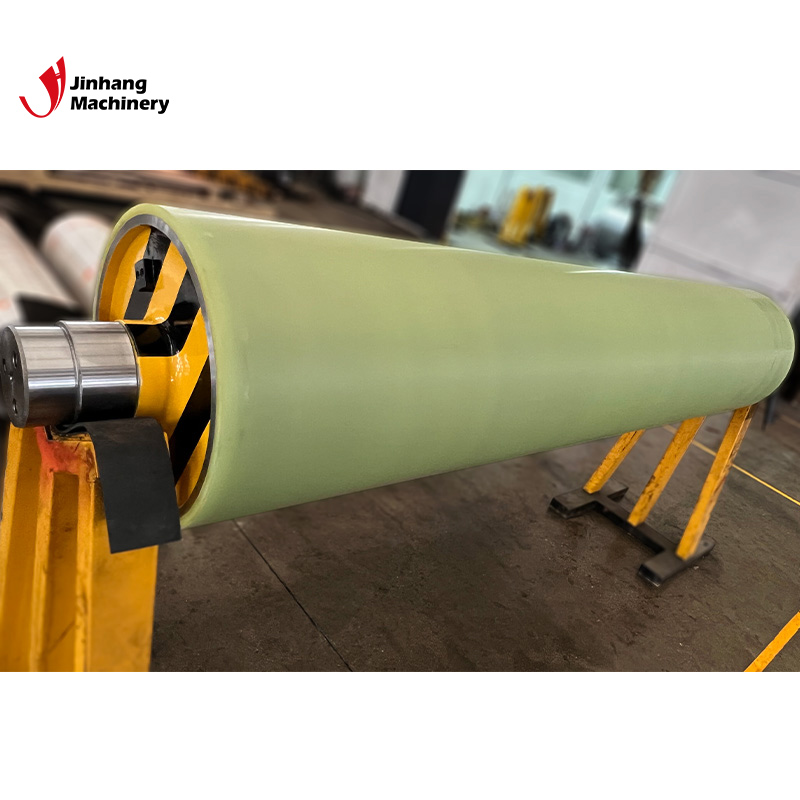 Ozone-Resistant EPDM Rubber Rollers for Industrial ApplicationsThese rollers are engineered from EPDM to withstand ozone exposure, maintaining flexibility and strength for longer service life. They are suitable for printing, packaging, and conveyor systems, and can be custom-manufactured to meet specific dimensional requirements.View Product →
These rollers can be manufactured to the customer's drawing, with specific hardness, diameter, and face length, so the operational benefits of EPDM are realized without compromising fit or tolerances.
Choosing an EPDM material for a roller is not just a matter of saying "synthetic rubber." The compound formulation has to be checked against the real operating conditions, and the purchasing decision should include those details. Here are the main considerations:
A practical way to protect a purchase is to provide the roller supplier with the operating environment and a drawing. For example, Jiangsu Jinhang Machinery Manufacturing Co., Ltd. designs and manufactures rollers with a documented quality inspection at each stage, so the EPDM cover is monitored through processing and finishing.
EPDM material definition is straightforward: a synthetic rubber built for weather and heat. What matters for a production line is how that definition translates into roller performance. With the right compound and proper curing, an EPDM roller can outlast conventional rubber rollers in demanding environments. The key is to match the material's properties to the actual application instead of relying on a generic description.
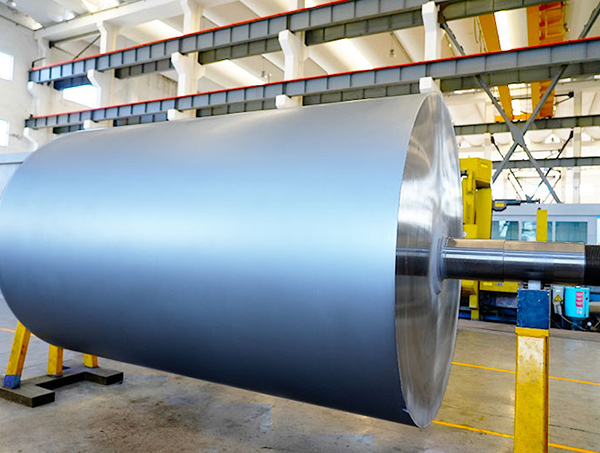
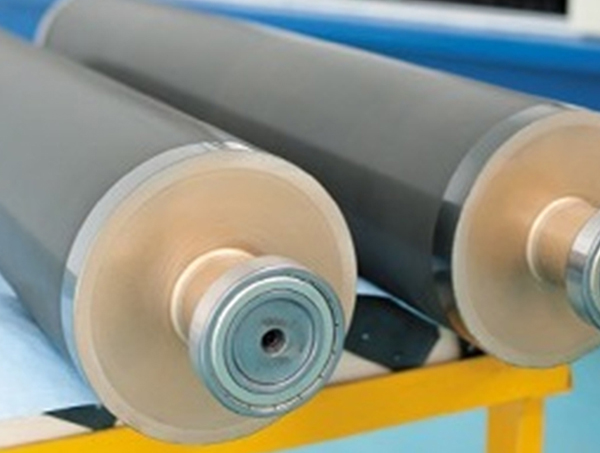
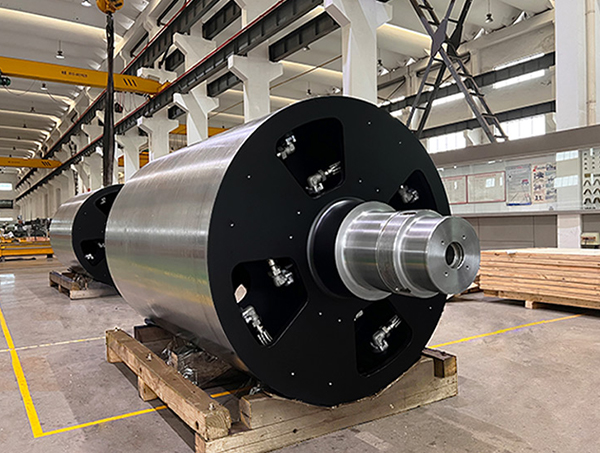
Dedicated to developing and manufacturing various shapes of rolls with different roll structures.
Phone: +86-15371769898
Email: [email protected]
Add: 9 Lifa Avenue, Chengdong Town, Haian County, Nantong City, Jiangsu Province, China
Copyright© 2025 Jiangsu Jinhang Machinery Manufacturing Co., Ltd. All Rights Reserved.
 Custom Thin Walled Roller Manufacturers


 English
 русский
 Deutsch