+86-15371769898
 [email protected]
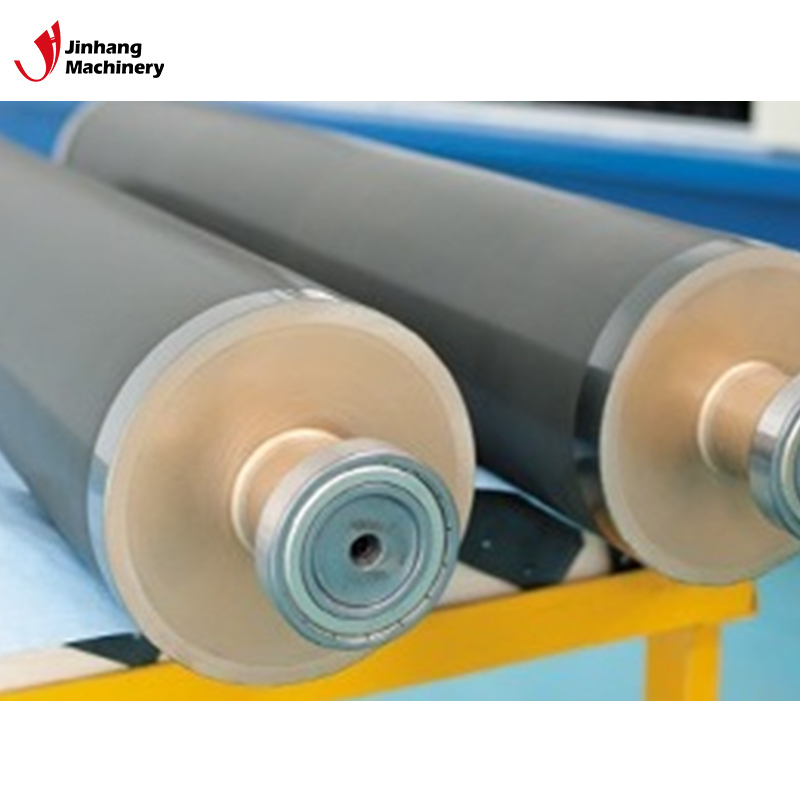
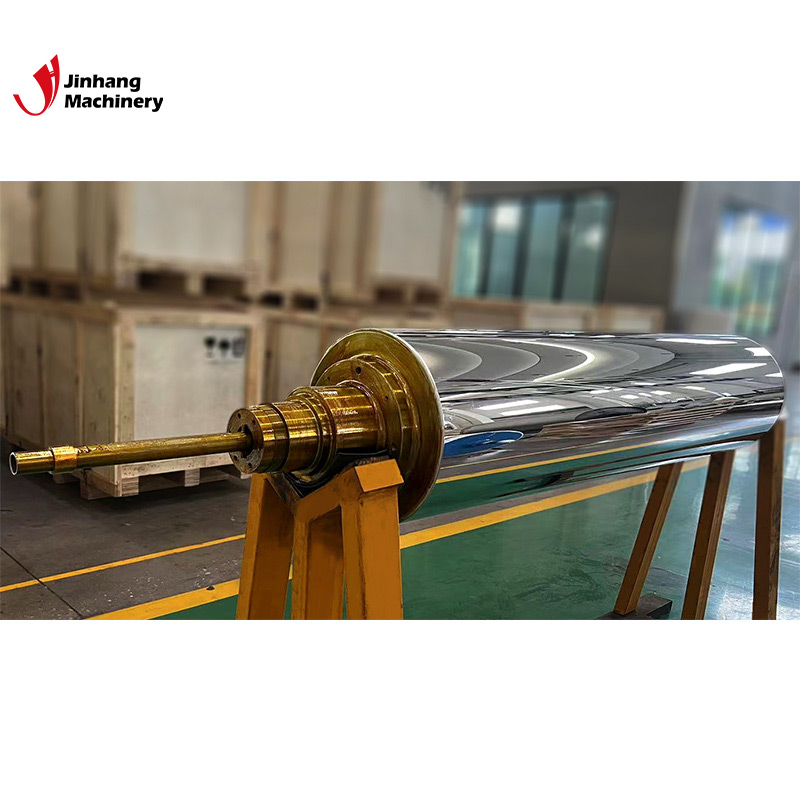
+86-15371769898[email protected]A hard alloy coated roller is a steel roller with a wear-resistant metallic layer applied to its working surface to withstand abrasion, high contact pressure, and heat that would quickly destroy an uncoated roller. The coating is typically applied through thermal spray processes (HVOF or plasma spray) for thinner, more precise layers, or through weld overlay processes (PTA or submerged arc welding) for thicker, more impact-resistant layers, using alloys such as tungsten carbide, chrome carbide, or cobalt-based hardfacing materials. The right coating choice depends on the wear mechanism at play: abrasive wear from material contact calls for tungsten carbide coatings (hardness of 68-72 HRC), while high-temperature or impact-heavy environments favor chrome carbide or cobalt alloys. Selecting the wrong coating type or thickness for the operating environment is the leading cause of premature coating failure and unplanned roller replacement.
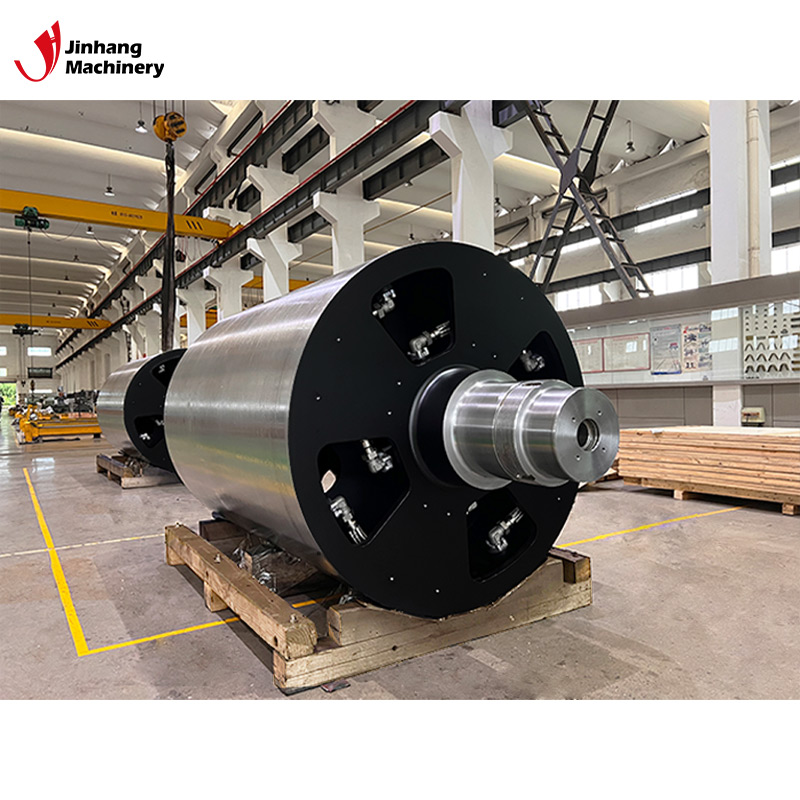
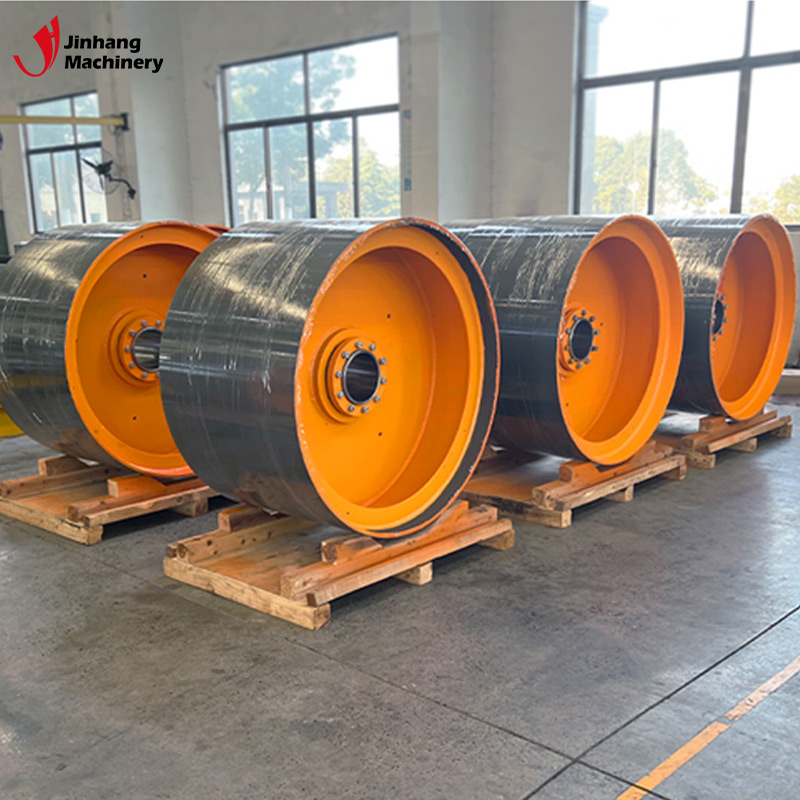
A hard alloy coated roller starts with a standard steel or cast iron core, which is then machined and coated with a metallurgically bonded layer of a harder, more wear-resistant alloy. This approach combines the structural toughness and cost-efficiency of a steel base with a surface hardness that far exceeds what bulk steel alone can achieve.
These rollers are used in environments where uncoated steel would wear out in weeks or months, including rolling mills processing hot or abrasive steel strip, paper and printing calender rollers, extrusion and pelletizing equipment, and conveyor rollers handling abrasive bulk materials like sand, ore, or recycled scrap. In steel mill applications, a properly coated work roll can last 3-5 times longer than an uncoated equivalent before requiring regrinding or replacement.
The coating process determines the bond strength, layer thickness, and internal structure of the finished surface. Choosing the right process is as important as choosing the right alloy.
HVOF propels powdered alloy particles at supersonic speed onto the roller surface, creating a dense coating with very low porosity, typically under 1% porosity. This process is favored for tungsten carbide coatings where precision, fine finish, and minimal heat input to the base roller are required.
Plasma spray uses an ionized gas jet to melt and deposit alloy powder, allowing a wider range of materials including ceramics and oxide-based coatings. It generally produces a slightly more porous coating than HVOF but is more flexible for complex alloy chemistries.
PTA welding fuses a metallurgically bonded overlay directly onto the roller surface using an electric arc, producing a much thicker layer (often 2-6 mm compared to 0.1-0.5 mm for thermal spray) with excellent bond strength and impact resistance. This makes it the preferred choice for heavy-duty rolling mill and mining equipment rollers subject to gouging or impact loads.
SAW overlay is used for large-diameter rollers requiring thick, high-volume hardfacing, commonly applied in multiple passes to build up several millimeters of wear-resistant alloy across the full roller face.
Different alloy chemistries perform best against different wear mechanisms. Matching the alloy to the dominant wear type in your application is critical to getting the expected service life.
| Coating Material | Typical Hardness | Best Resistance To | Common Application |
|---|---|---|---|
| Tungsten Carbide (WC-Co) | 68-72 HRC | Abrasive wear, sliding friction | Printing, paper, conveyor rollers |
| Chrome Carbide | 58-64 HRC | High-temperature abrasion | Hot rolling mill rollers |
| Cobalt-Based Alloy (Stellite) | 40-50 HRC | Heat, corrosion, and impact combined | Metal forming, high-heat rollers |
| Nickel-Chromium Alloy | 35-45 HRC | Corrosion and moderate wear | Chemical and food processing rollers |
Harder coatings resist abrasive scratching better but can be more brittle and prone to chipping under impact. Softer, tougher alloys flex slightly under load and resist cracking but wear down faster under pure abrasion. Selecting a coating with a hardness roughly 20-30% above the hardness of the abrasive material it contacts is a common industry guideline for balancing wear life against brittleness.
A coating's real-world durability depends as much on how well it bonds to the base roller as on the alloy's intrinsic hardness. HVOF coatings with bond strength above 70 MPa and porosity under 1% significantly outperform lower-quality plasma-sprayed coatings in high-cycle applications, since porosity creates weak points where cracks and delamination can begin.
Thin thermal spray coatings (0.1-0.5 mm) are suited to precision rollers where dimensional tolerance matters, such as printing or film-handling equipment. Thicker weld overlay coatings (2-6 mm) provide a larger wear allowance and can typically be reground and reused multiple times before the roller reaches end of life, extending total service life well beyond the first wear cycle.
Determine whether your rollers primarily face abrasive wear (particulates, scale, or grit), adhesive wear (metal-to-metal sliding contact), or impact loading (chunky or irregular material). This determines whether a hard, brittle coating or a tougher, more ductile alloy is the better fit.
Tungsten carbide coatings begin to lose hardness and oxidize above roughly 500-600°C, making them unsuitable for hot rolling applications. Chrome carbide and cobalt-based alloys retain their properties at higher temperatures, often up to 800-900°C, and are the standard choice for hot mill rollers.
If the roller requires tight dimensional tolerances and a smooth finish, thermal spray processes like HVOF are typically preferred. If the roller needs to withstand heavy impact and be reground multiple times over its service life, weld overlay processes like PTA or SAW offer more usable material and greater impact tolerance.
Reputable roller manufacturers should be able to provide bond strength, porosity, and hardness test results for their coatings. A well-applied industrial coating typically documents porosity below 2% and bond strength above 55-70 MPa; suppliers unable to provide this data may be using lower-quality application processes.
Even the best coating requires proper care to reach its full service life. Most facilities schedule a visual inspection every 1-3 months and a full dimensional check during planned maintenance shutdowns.
Hard alloy coated rollers extend service life dramatically compared to uncoated steel, but only when the coating material, application process, and thickness are matched to the actual wear mechanism and operating conditions. The right choice comes down to identifying whether abrasion, temperature, or impact is the dominant failure mode, then selecting a coating hardness, alloy chemistry, and application process suited to that specific challenge. Paired with regular inspection and timely regrinding, a properly coated roller can deliver several times the service life of a standard steel roller and significantly reduce total maintenance costs.
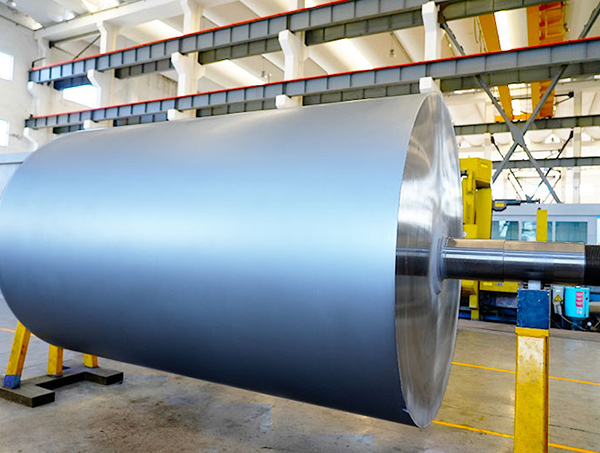
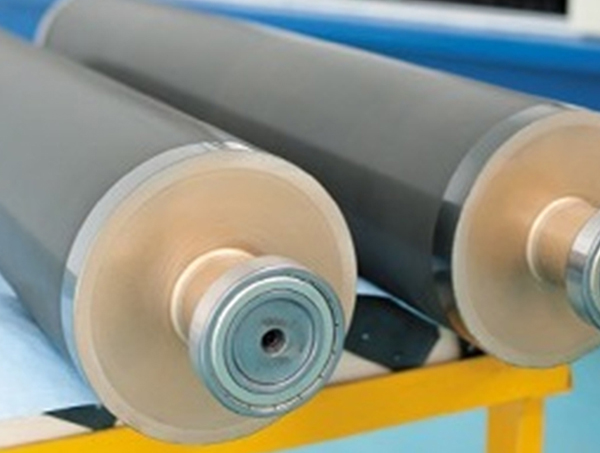
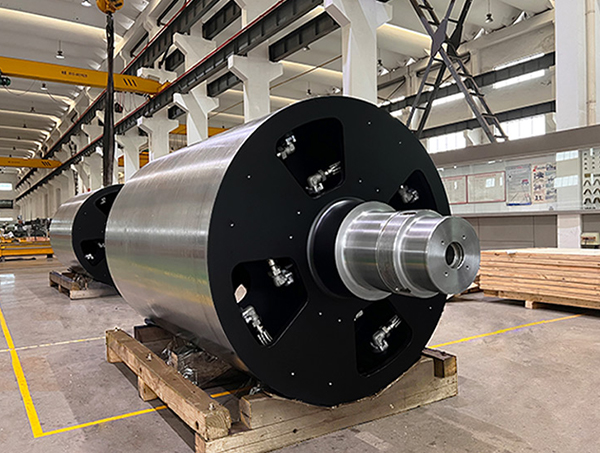
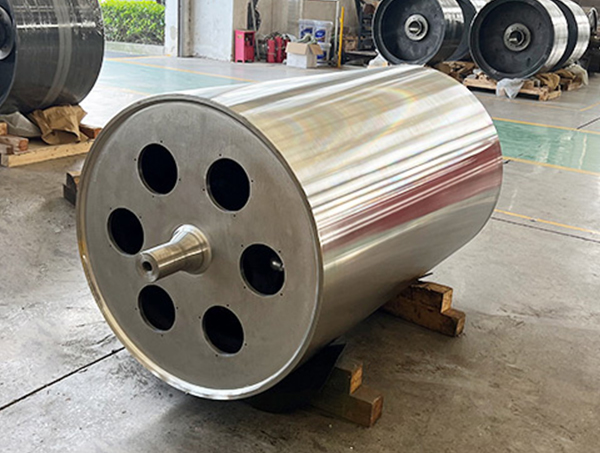
Dedicated to developing and manufacturing various shapes of rolls with different roll structures.
Phone: +86-15371769898
Email: [email protected]
Add: 9 Lifa Avenue, Chengdong Town, Haian County, Nantong City, Jiangsu Province, China
Copyright© 2025 Jiangsu Jinhang Machinery Manufacturing Co., Ltd. All Rights Reserved.
 Custom Thin Walled Roller Manufacturers


 English
 русский
 Deutsch