+86-15371769898
 [email protected]
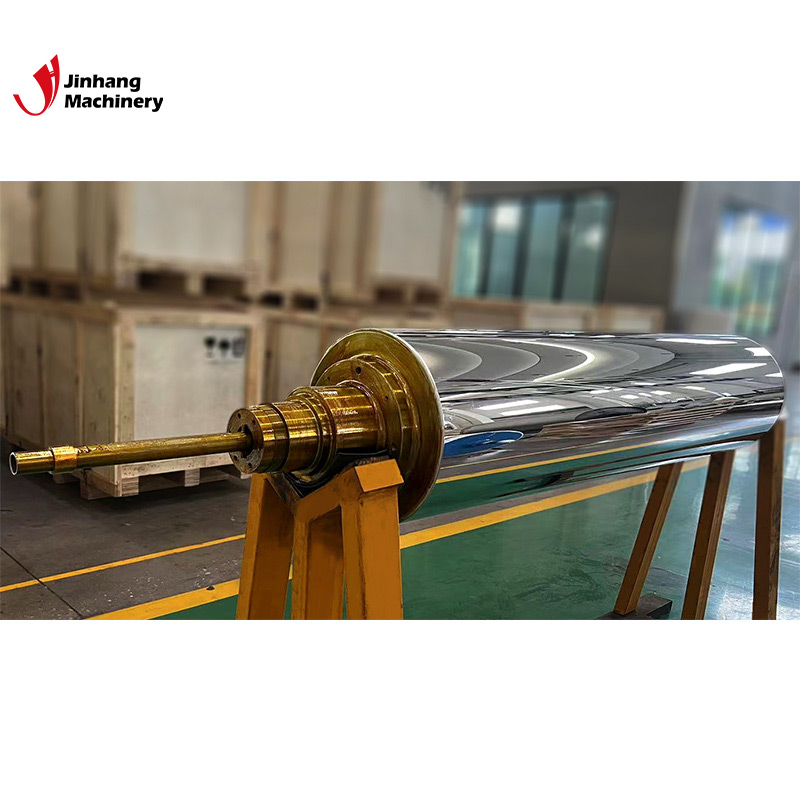
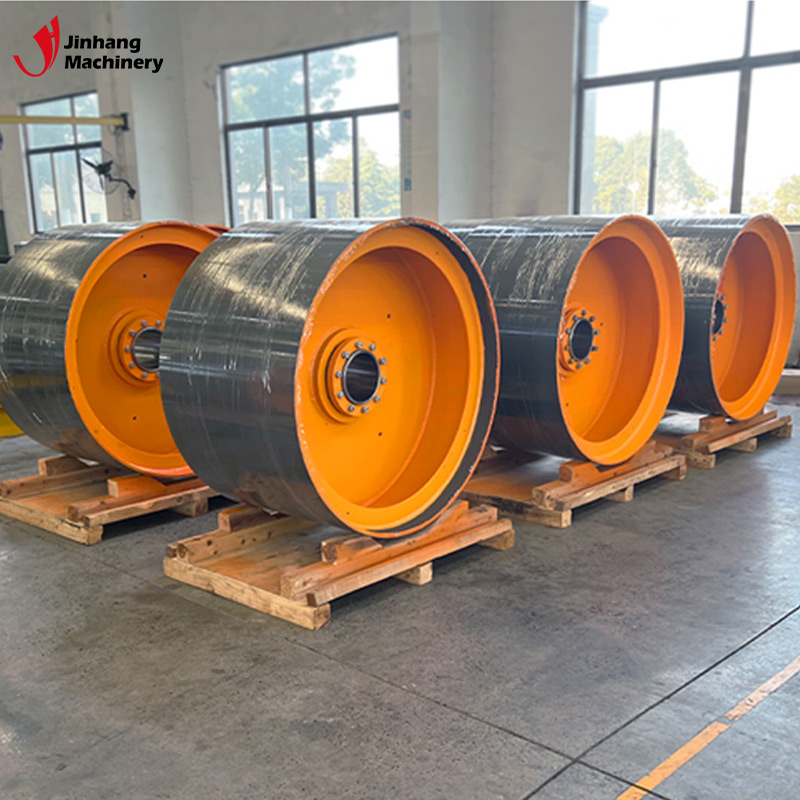
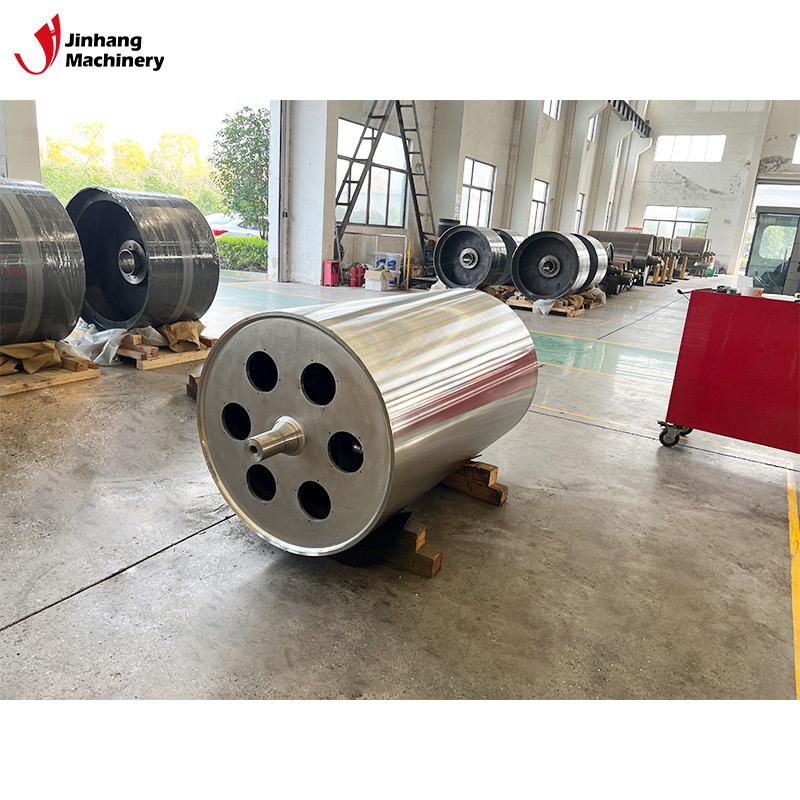
+86-15371769898[email protected]A steel roller is a cylindrical component made from carbon steel, galvanized steel, or stainless steel, used to support, guide, or move loads across conveyors, tracks, machinery, and material handling systems. The right steel roller depends on three factors: the load capacity your application demands (light-duty rollers handle 50-200 lbs, while heavy-duty industrial rollers can support 1,000-5,000+ lbs per roller), the bearing type (ball bearings for high-speed, low-friction use versus plain bushings for lower-cost, lower-speed applications), and the surface finish or coating needed for your environment (zinc-plated for indoor use, galvanized or stainless steel for moisture and corrosion resistance). Choosing an undersized roller or the wrong material for your environment is the most common cause of premature failure, uneven wear, and unplanned downtime.
A steel roller consists of a cylindrical shell mounted on a shaft or axle, typically supported by bearings or bushings that allow it to rotate freely under load. Steel is favored over plastic or aluminum in many industrial settings because of its higher load-bearing strength, resistance to deformation, and ability to withstand impact and abrasion over long service periods.
Common applications include gravity and powered conveyor systems in warehouses and distribution centers, roller tracks for sliding doors and gates, support rollers in packaging and printing equipment, and guide rollers in overhead cranes and material handling systems. In warehouse conveyor systems, steel rollers are typically spaced every 3-6 inches along the frame to ensure even load support and prevent product sagging between rollers.
Steel rollers are classified primarily by their material grade, bearing style, and shell construction. Understanding these categories helps narrow down the right product for a specific load and environment.
Carbon steel rollers are the most common and cost-effective option for indoor, dry environments. Galvanized steel rollers add a zinc coating that resists rust in humid or outdoor conditions. Stainless steel rollers, typically grade 304 or 316, are used in food processing, pharmaceutical, and washdown environments where corrosion resistance and hygiene are critical.
Ball bearing rollers offer the lowest rolling resistance and are suited to powered conveyors and high-cycle applications. Precision bearings allow speeds up to 500 feet per minute or more in some conveyor designs. Bushing (plain bearing) rollers cost less and work well for gravity conveyors or lower-speed, lower-cycle uses, though they generate more friction and require slightly more force to start moving a load.
Tube-style rollers use a hollow steel cylinder and are the standard choice for most conveyor and general material handling uses. Solid steel rollers are heavier and used in higher-impact or higher-load scenarios, such as under skid conveyors moving pallets or heavy machinery components.
| Roller Type | Typical Load Capacity | Common Diameter | Best Use Case |
|---|---|---|---|
| Light-Duty Carbon Steel | 50-200 lbs | 1.0-1.4 inches | Small parts conveyors, packaging lines |
| Medium-Duty Galvanized | 200-800 lbs | 1.9-2.5 inches | Warehouse gravity conveyors, humid areas |
| Heavy-Duty Carbon Steel | 1,000-5,000 lbs | 2.5-4.0 inches | Pallet conveyors, industrial skid systems |
| Stainless Steel | 100-1,000 lbs | 1.4-2.5 inches | Food, pharma, washdown environments |
Determine the heaviest individual item the roller will support, not just the average load. Industry best practice is to select a roller rated for at least 25-30% above your maximum expected load to account for impact loading and uneven weight distribution.
A general rule for gravity conveyors is that at least three rollers should be under the smallest item at any time to prevent it from tipping or dropping between rollers. Smaller or lighter items typically pair with 1.0-1.9 inch diameter rollers, while pallets and heavy skids require 2.5 inches or larger.
Indoor, climate-controlled facilities can generally use standard carbon steel rollers at lower cost. Outdoor use, washdown areas, or facilities near coastal or high-humidity regions should use galvanized or stainless steel, since untreated carbon steel can begin to show surface corrosion within months in these conditions.
High-cycle, powered conveyor lines benefit from precision ball bearings, which reduce energy consumption and wear over millions of rotations. Lower-cycle or gravity-fed lines can use bushings to reduce upfront cost without a significant performance penalty.
Rollers must match the mounting style of your existing frame, whether that's a slotted frame with spring-loaded axles or a bolted frame with fixed shafts. Mismatched shaft diameters or lengths are a common cause of installation delays when replacing rollers.
Most facilities inspect conveyor rollers every 3-6 months, with more frequent checks in high-throughput or dusty environments.
Steel rollers are a small component with an outsized impact on the reliability and efficiency of conveyor and material handling systems. The right choice comes down to sizing for your actual peak load with a safety margin, matching the material to your operating environment, and selecting the bearing type that fits your speed and duty cycle. Combined with correct spacing, proper installation, and routine inspection, the right steel roller will keep your material handling system running smoothly and reduce costly unplanned downtime.
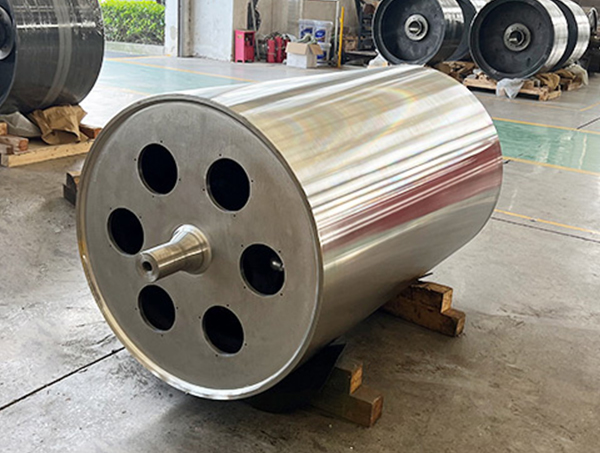
Dedicated to developing and manufacturing various shapes of rolls with different roll structures.
Phone: +86-15371769898
Email: [email protected]
Add: 9 Lifa Avenue, Chengdong Town, Haian County, Nantong City, Jiangsu Province, China
Copyright© 2025 Jiangsu Jinhang Machinery Manufacturing Co., Ltd. All Rights Reserved.
 Custom Thin Walled Roller Manufacturers


 English
 русский
 Deutsch