+86-15371769898
 [email protected]
+86-15371769898[email protected]A chill roller determines product quality by controlling exactly how fast and how evenly a hot material solidifies. Cooling rollers have many important functions in industrial production: controlling material temperature, improving production efficiency, ensuring product quality, and improving equipment life. When cooling is too slow, too fast, or uneven across the roller surface, the result is warping, wrinkling, haze, or inconsistent thickness — defects that are difficult or impossible to correct downstream.
In cast film extrusion, for example, molten polymer is extruded onto a large, highly polished, water-cooled chill roller, and the rapid cooling freezes the molecular structure of the plastic, producing clear, strong films used in food packaging and stretch wrap. The precision of that cooling step — not just its speed — is what separates a premium, optically clear film from a hazy, structurally weak one.
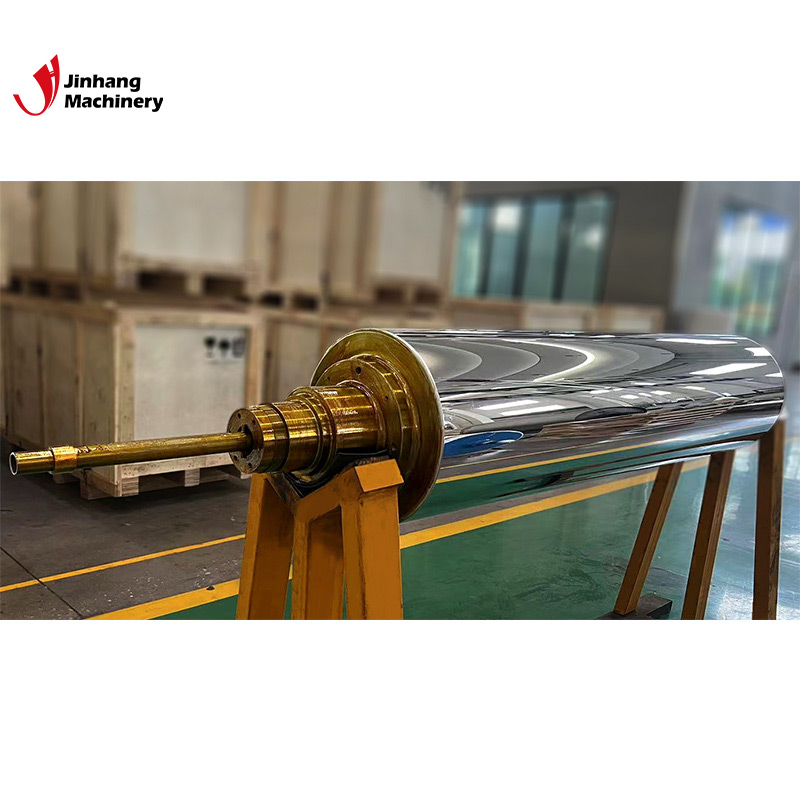
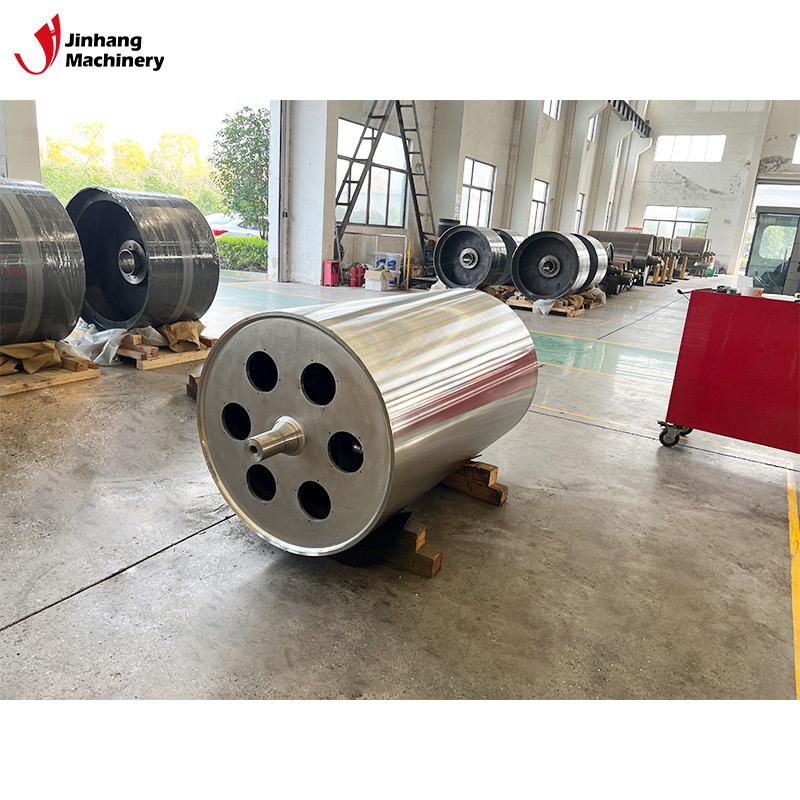
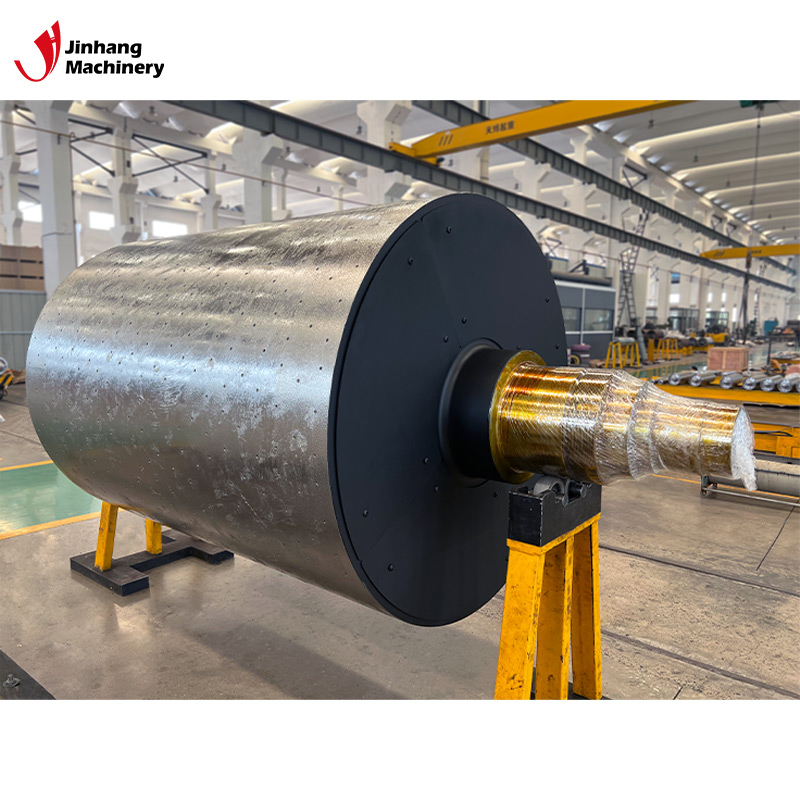
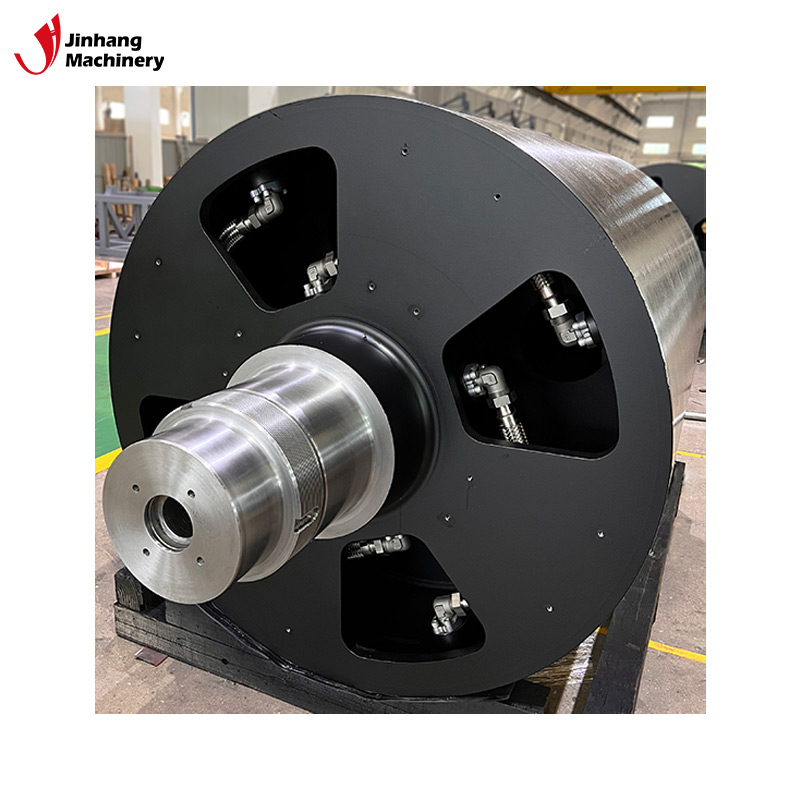
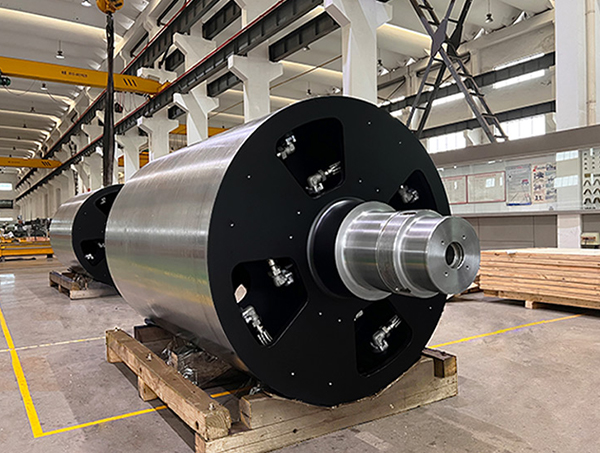
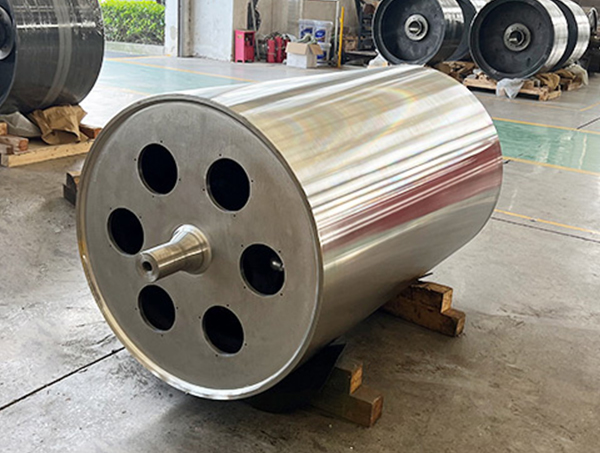
Chill rollers are hollow cylinders with internal channels through which a coolant — almost always water — circulates continuously. By adjusting the temperature of the coolant flowing inside, the temperature of the roller surface can be precisely controlled, allowing the cooling rate of the material being processed to be adjusted accordingly.
Convection cooling removes heat through the flow of coolant inside the roller, reducing the temperature of the roller surface; the coolant circulates inside the roller, is cooled through an external cooling system, and is then recycled back through. This closed-loop approach keeps roller surface temperature stable over long, continuous production runs rather than allowing it to drift as heat accumulates.
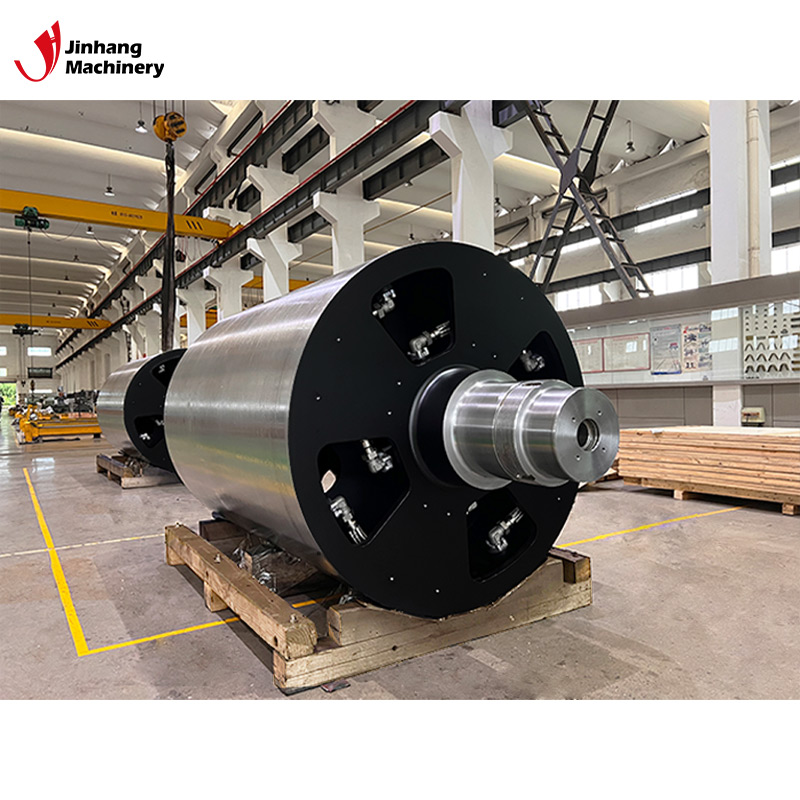
The way coolant is introduced into the roller shell has a direct impact on cooling uniformity. Chill rollers may introduce fluid via a mono-flow design, where liquid enters one end and exits the other, or a dual-flow design, where liquid enters and exits the same end. In more demanding applications, holes are drilled continuously through the solid wall just beneath the outer shell surface, bringing the cooling fluid incredibly close to the material web and providing the highest rate of heat transfer and structural rigidity — though this design is the most complex and expensive to manufacture.
The link between chill roller performance and finished product quality is not incidental — it is mechanical and thermodynamic. Several quality outcomes trace directly back to how precisely the roller controls surface temperature.
In plastic film manufacturing, molten plastic is stretched and unfolded after passing through the extruder, and the role of the cooling roller is to quickly cool it to a stable state — a process that helps prevent the film from wrinkling, deforming, or developing uneven thickness. Any inconsistency in roller surface temperature translates almost immediately into visible dimensional defects in the finished film.
Surface quality of the roller itself feeds directly into surface quality of the product. Cooling rollers are usually made of stainless steel or other corrosion-resistant metals, with surfaces that can be polished and coated to ensure both cooling efficiency and product surface quality. For sensitive films and foils, a highly uniform surface temperature — often within ±1°C — is mandatory to achieve consistent, defect-free results.
Cooling precision also affects how fast a line can run without sacrificing quality. On a high-output production line, the cooling roller can quickly reduce material temperature and shorten cooling time, thereby improving production speed and efficiency — for example, in film production it cools the film into shape and increases the running speed of the line.
Chill rollers are used across a wide range of manufacturing processes wherever hot material must be stabilized quickly and evenly.
| Process | Role of the Chill Roller | Quality Impact |
|---|---|---|
| Cast Film Extrusion | Freezes molten polymer into a stable film | Clarity and mechanical strength |
| Blown Film Extrusion | Stabilizes the flattened film bubble | Uniform gauge before winding |
| Plastic Sheet Extrusion | Rapidly cools extruded sheet | Flatness and dimensional stability |
| Laminating Lines | Sets adhesive layers without distortion | Prevents wrinkles and bonding defects |
| Calendering (paper, foil, rubber) | Compresses and cools material to set thickness | Consistent gauge and surface finish |
| Thermoforming | Delivers even temperature before shaping | Consistent part formation |
Beyond plastics, chill rollers are also widely applied in the papermaking, metal processing, and textile industries, and key sectors served by cooling rollers include packaging, medical films — where thermal control directly impacts clarity, strength, and regulatory compliance — automotive components, paper and printing, and flexible electronics.
While water-circulated chill rollers remain the industry standard, some high-speed or specialty processes call for more aggressive cooling methods.
These methods are typically reserved for applications where standard water-cooled rollers cannot achieve the required cooling rate fast enough, or where extreme thinness of the material makes conventional convection cooling insufficient.
Matching a chill roller to your process is essential — an undersized or poorly matched roller becomes the bottleneck for both quality and throughput.
Different industries have different requirements for chill roller specifications — for example, cooling rollers used in plastic film production usually require larger diameters and surface widths to ensure uniform cooling of large-format materials, while in metal processing, roller material and strength become even more important.
In actual use, a chill roller may experience uneven cooling, which is usually caused by poor coolant flow or an unreasonable internal design. Selecting a roller with a well-engineered internal flow path — mono-flow or dual-flow, depending on the application — helps avoid this failure mode before it affects production.
Chill rollers are significant capital investments. A chill roll is typically the largest, heaviest, most expensive, and most easily damaged component in an entire extrusion line, which makes proper specification — and protective handling during operation — critical to avoiding costly downtime or replacement.
Chill rollers rarely operate in isolation — most thermal processing lines pair them with heating rollers to form a complete temperature-control system. Heat transfer and chill rollers together support the plastics, printing, textiles, and metal processing industries, with chill rollers handling quick cooling and heating rollers providing precise warmth at the appropriate stage of the process.
This complementary relationship is what allows a single production line to melt, shape, and then instantly stabilize a material — with the chill roller's cooling precision acting as the final checkpoint that locks in whatever quality was built into the earlier heating and forming stages.
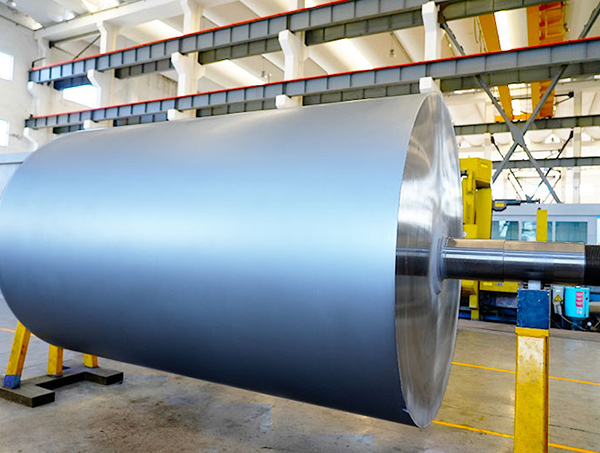
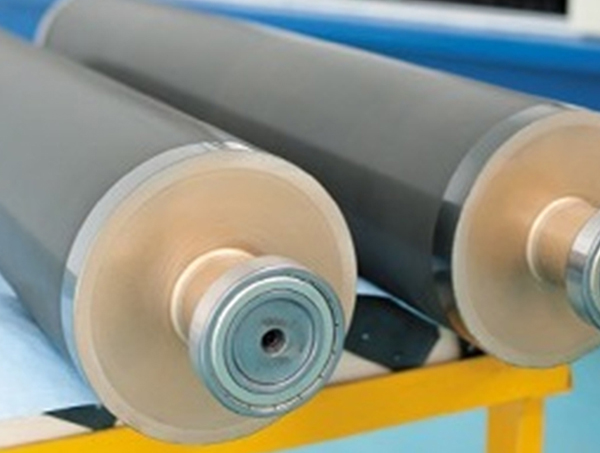
Dedicated to developing and manufacturing various shapes of rolls with different roll structures.
Phone: +86-15371769898
Email: [email protected]
Add: 9 Lifa Avenue, Chengdong Town, Haian County, Nantong City, Jiangsu Province, China
Copyright© 2025 Jiangsu Jinhang Machinery Manufacturing Co., Ltd. All Rights Reserved.
 Custom Thin Walled Roller Manufacturers


 English
 русский
 Deutsch