+86-15371769898
 [email protected]
+86-15371769898[email protected]Choosing the right anilox roller comes down to matching three specifications to your print job: cell volume (measured in BCM, or billion cubic microns per square inch), line screen (LPI, lines per inch), and cell shape and angle. As a general rule, process color printing needs a higher line screen and lower volume roller (typically 800-1,200 LPI, 2.5-4.5 BCM) to reproduce fine detail and halftones, while solid coverage or coating applications need a lower line screen and higher volume roller (150-400 LPI, 6-12+ BCM) to lay down more ink. Getting this mismatch wrong is the single most common cause of print quality complaints in flexographic printing, from washed-out images to pinholing on solids.
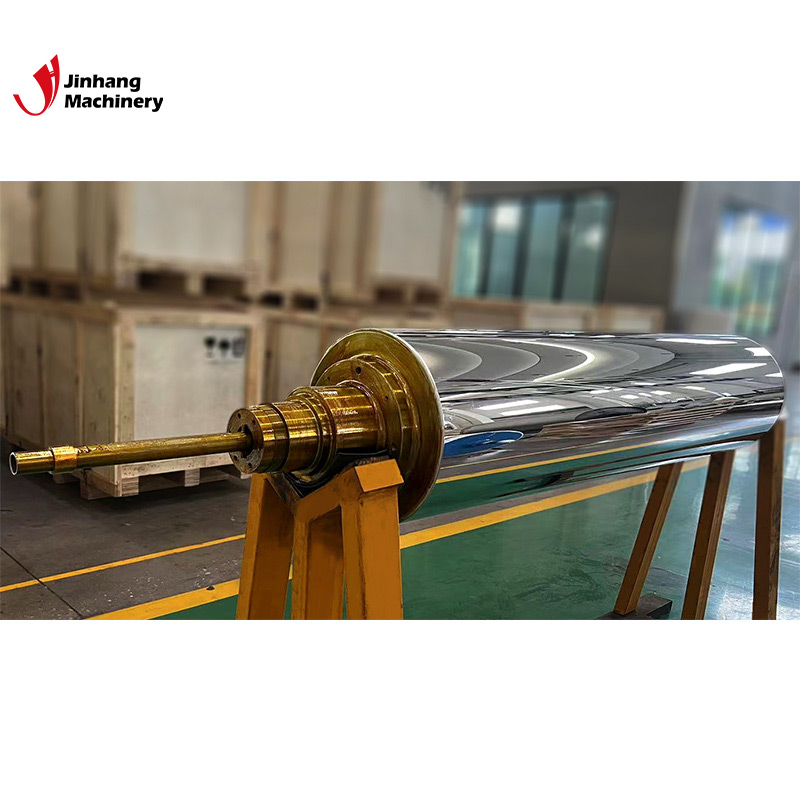
An anilox roller is a precision-engraved metering roller used in flexographic and some offset printing systems to transfer a controlled, consistent volume of ink to the printing plate. The roller's surface is covered in millions of microscopic cells, engraved into a hard ceramic coating, that fill with ink from a chambered doctor blade system or ink pan and then release that ink onto the flexo plate as the roller rotates.
Because the cell size, shape, and count are fixed once the roller is engraved, the anilox roller effectively sets the maximum ink film thickness and print quality ceiling for the entire press run. A single anilox roller typically contains anywhere from a few hundred thousand to over a billion cells across its surface, depending on the line screen and roller diameter.
Line screen measures how many cell rows are engraved per linear inch. Higher LPI means smaller, more numerous cells capable of reproducing finer detail, while lower LPI means larger cells that hold more ink for solid, even coverage.
BCM measures the total ink-holding capacity of the cells per square inch of roller surface. This is the most direct predictor of ink film thickness on the printed substrate. A general industry guideline is a 3:1 volume-to-line-screen ratio as a starting reference point, though exact ratios vary by ink type, anilox manufacturer, and substrate.
Cell geometry affects how efficiently ink releases from the cell onto the plate. Hexagonal cells are the most common and offer balanced ink transfer and cell wall strength. Quad and trihelical (channel-connected) cell designs improve ink flow and release rates, which helps especially with high-viscosity inks or coatings, and are typically engraved at a 60-degree angle to maximize cell density and doctor blade contact.
Nearly all modern anilox rollers use laser-engraved ceramic coatings, which offer far greater durability and cell precision than older mechanically engraved chrome rollers. Ceramic-coated, laser-engraved rollers can typically withstand hundreds of millions of impressions before showing significant cell wear, compared to a fraction of that lifespan for chrome rollers.
Different print applications call for very different combinations of line screen and cell volume. The table below outlines general starting points used across the flexographic printing industry.
| Application | Typical Line Screen (LPI) | Typical Volume (BCM) | Notes |
|---|---|---|---|
| Fine Process Printing | 800-1,200 | 2.5-4.5 | High detail, photo-quality halftones |
| Standard Line/Text Work | 500-700 | 4.5-6.5 | Balances detail and ink laydown |
| Solid Color Coverage | 150-350 | 6-9 | Prevents pinholing on large solids |
| Varnish/Coating | 150-280 | 8-14 | Maximizes coating film weight |
These figures are starting points; actual optimal values vary based on plate type, ink viscosity, press speed, and substrate absorbency, so consulting your anilox supplier's engineering team or running a proof is always recommended for critical jobs.
Identify whether your job is dominated by fine detail (process images, small text) or by heavy ink coverage (solids, coatings). This determines which end of the LPI/BCM spectrum you should be working in before considering any other factor.
The anilox line screen should generally be significantly finer than the plate's screen ruling to avoid moiré patterns and ensure smooth tonal transitions. A common guideline is an anilox-to-plate screen ratio of at least 4:1 to 6:1, though this can vary with cell angle and specific plate technology.
Thicker, higher-viscosity coatings and UV inks generally require larger, more open cell structures (like trihelical designs) to release properly, while low-viscosity water-based inks work well with more conventional hexagonal cells.
Anilox rollers must be sized precisely to fit the press's chambered doctor blade system and repeat length. Incorrect sizing can cause improper ink metering or physical damage to the press or blade holder.
Ask suppliers for cell consistency data and coating hardness specifications. High-quality ceramic coatings typically test above 1,200-1,400 HV (Vickers hardness), offering better resistance to doctor blade wear and longer service life between cleanings.
Anilox roller performance degrades quickly if cells become clogged with dried ink or coating residue, which reduces effective cell volume even though the roller itself is undamaged. Many printers report a 10-20% drop in effective ink transfer from cell blockage alone before any physical wear occurs.
The anilox roller sets the ceiling for print quality and consistency on any flexographic press, so getting the specification right matters more than almost any other consumable choice in the process. The right roller comes down to matching line screen and cell volume to your specific job type, verifying the anilox-to-plate screen ratio, and choosing a cell shape suited to your ink or coating viscosity. Combined with a disciplined cleaning and inspection routine, the right anilox roller will deliver consistent color, sharper detail, and a longer service life across your production runs.
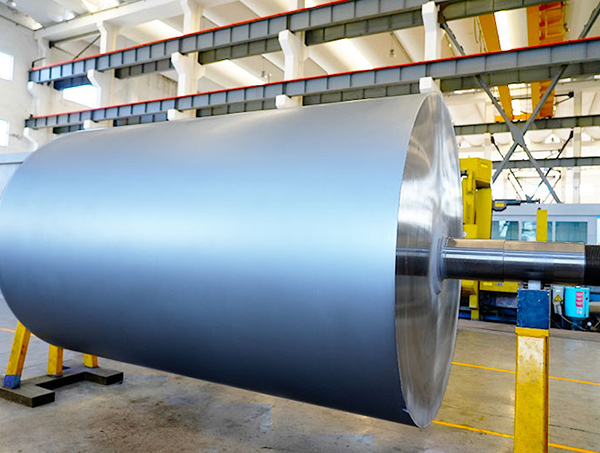
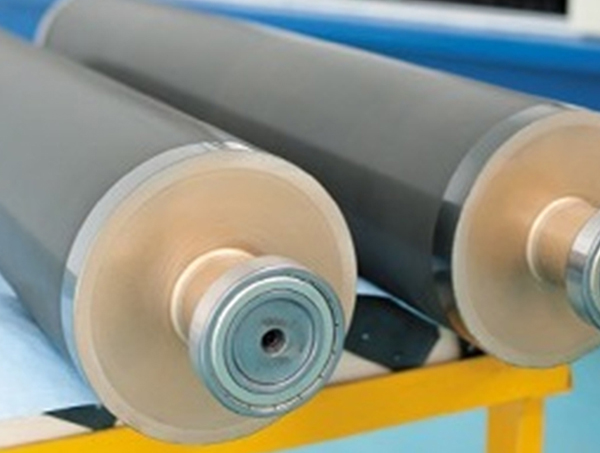
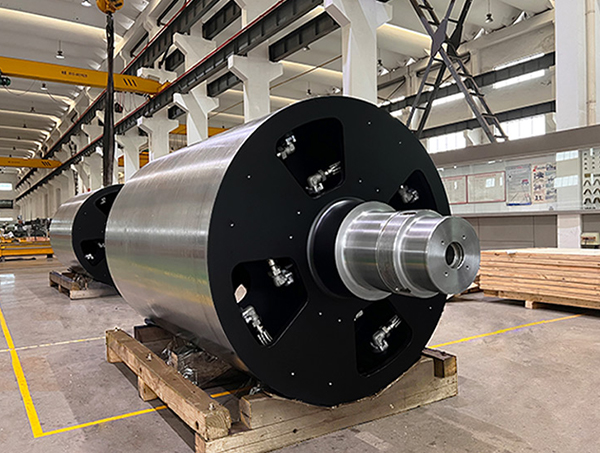
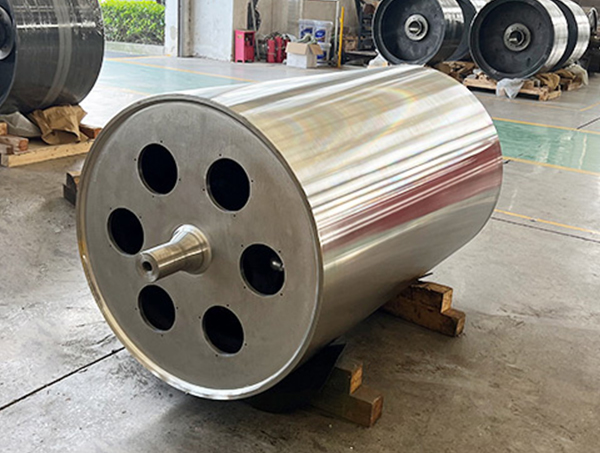
Dedicated to developing and manufacturing various shapes of rolls with different roll structures.
Phone: +86-15371769898
Email: [email protected]
Add: 9 Lifa Avenue, Chengdong Town, Haian County, Nantong City, Jiangsu Province, China
Copyright© 2025 Jiangsu Jinhang Machinery Manufacturing Co., Ltd. All Rights Reserved.
 Custom Thin Walled Roller Manufacturers


 English
 русский
 Deutsch