+86-15371769898
 [email protected]
+86-15371769898[email protected]Rubber rollers are essential components in industries such as printing, laminating, packaging, and paper manufacturing. Over time, rollers wear out due to continuous friction, pressure, and exposure to chemicals. Replacing a rubber roller might seem straightforward, but improper handling can lead to equipment damage, misalignment, or production downtime. Selecting the correct replacement method and following a systematic procedure ensures safe operation, preserves machinery, and maintains product quality.
Replacing rollers without causing damage requires understanding the roller’s construction, preparing the necessary tools, following manufacturer guidelines, and applying proper techniques. Industrial machinery often involves precise alignments, delicate bearings, and sensitive shafts. Any misstep in roller replacement can result in bent shafts, bearing failure, or uneven roller performance, which may compromise the whole production line.
Before replacing a roller, carefully inspect its condition to determine if replacement is necessary. Common issues include:
Document the roller specifications—diameter, width, hardness (Shore A), and core material—to ensure that the replacement matches the original. Using incorrect specifications can lead to uneven operation and excessive wear on surrounding components.
Preparation is key to a smooth and safe replacement. Commonly required tools include:
Having all tools and materials ready reduces downtime and minimizes the risk of accidental damage during the replacement process.
Safety is paramount. Before starting, completely power off the equipment and lock out the power source to prevent accidental startup. Ensure that all operators are informed of ongoing maintenance. This prevents injuries and protects the machine’s internal components.
Industrial machines typically have protective covers surrounding rollers. Remove them carefully, keeping screws and bolts organized for reassembly. Maintaining order helps ensure no small components are misplaced, which could hinder proper roller installation.
Locate the roller’s mounting brackets or end supports. Gradually loosen the bolts or screws while supporting the roller. Avoid forcing the roller out, as this may damage the shaft or bearings. A gentle back-and-forth movement combined with gradual loosening ensures safe removal.
Once hardware is loosened, carefully slide the roller off the shaft. If the roller is tight due to corrosion or adhesive buildup, gently tap with a soft mallet while rotating it. Do not use excessive force or metal prying tools that can damage the roller core or shaft surface.
Before installing the new roller, inspect the shaft and bearings. Look for wear, corrosion, or debris. Clean thoroughly and lubricate bearings as needed. Replace any worn bearings to avoid future operational problems.
Slide the new roller onto the shaft carefully. Ensure alignment with other rollers and check that spacing, height, and parallelism match original specifications. Gradually tighten mounting bolts, alternating sides to maintain even pressure and prevent shaft bending.
Reinstall all guards and protective covers, ensuring all screws and bolts are securely fastened. Loose covers or hardware can cause machine vibration and damage during operation.
Power on the machine at low speed initially. Observe the roller’s rotation for wobble, unusual noise, or misalignment. Gradually increase speed to normal operating levels, confirming stable and smooth operation.
Proper technique and care during roller replacement prevent damage and prolong equipment lifespan:
| Step | Action | Key Points |
|---|---|---|
| Power Off | Lock out machine | Prevent accidental start |
| Remove Guards | Unscrew all protective covers | Keep track of screws |
| Loosen Hardware | Gradually loosen roller mounts | Support roller to avoid dropping |
| Remove Roller | Slide off shaft carefully | Use soft mallet if tight |
| Inspect Shaft & Bearings | Clean and lubricate | Replace damaged bearings |
| Install New Roller | Align and secure | Gradually tighten hardware |
| Reattach Guards | Reinstall protective covers | Ensure all fasteners are secure |
| Test Machine | Run at low speed, then normal operation | Check for wobble, noise, or misalignment |
Proper maintenance ensures roller longevity and consistent performance:
Regular maintenance reduces the need for frequent replacements and ensures optimal production efficiency.
Q1: How do I know when a rubber roller needs replacement?
A1: Signs include surface cracks, uneven coating, poor product output, or visible wobbling.
Q2: Can old bearings be reused?
A2: Only if they are in excellent condition. Worn bearings should be replaced to avoid future equipment damage.
Q3: What should I avoid during roller removal?
A3: Do not force the roller using metal hammers or prying tools; this may damage the shaft or roller core.
Q4: How do I ensure proper roller alignment?
A4: Check height, spacing, and parallelism relative to adjacent rollers. Tighten mounting bolts gradually and evenly.
Q5: How often should rollers be inspected?
A5: Monthly inspections are recommended, or more frequently in high-intensity production environments.
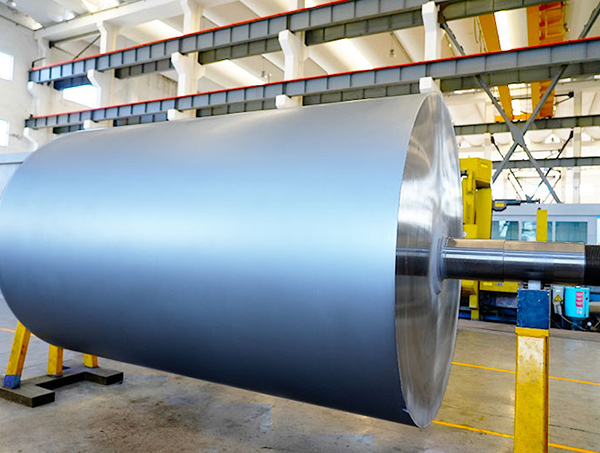
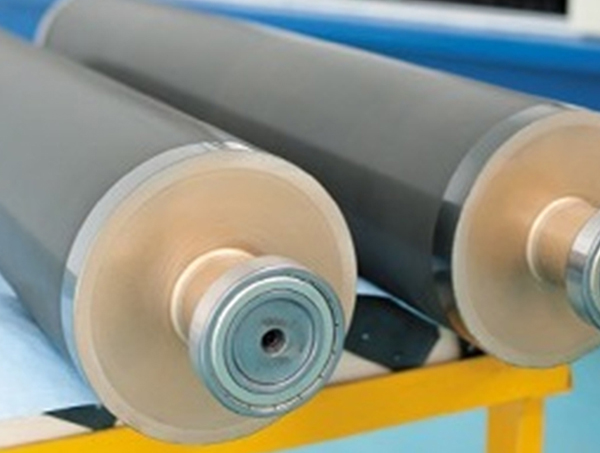
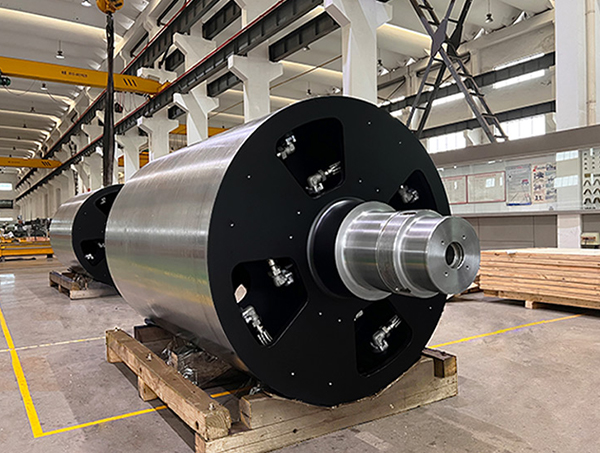
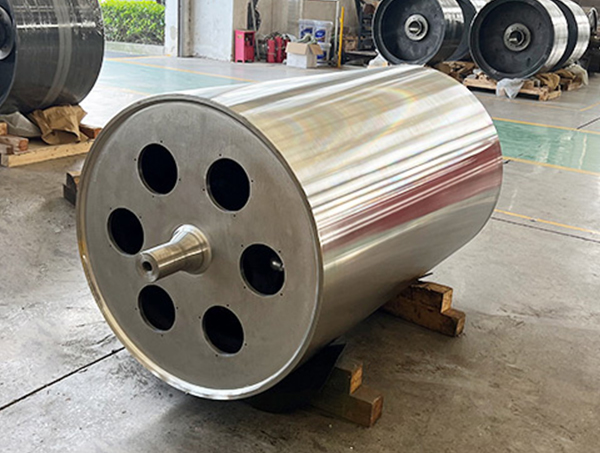
Dedicated to developing and manufacturing various shapes of rolls with different roll structures.
Phone: +86-15371769898
Email: [email protected]
Add: 9 Lifa Avenue, Chengdong Town, Haian County, Nantong City, Jiangsu Province, China
Copyright© 2025 Jiangsu Jinhang Machinery Manufacturing Co., Ltd. All Rights Reserved.
 Custom Thin Walled Roller Manufacturers


 English
 русский
 Deutsch