+86-15371769898
 [email protected]
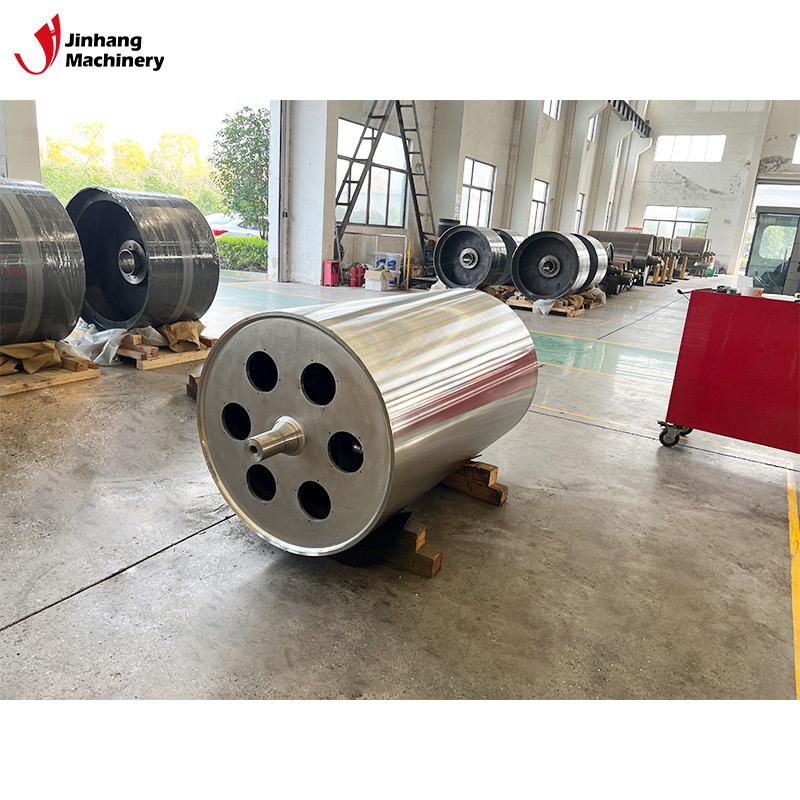
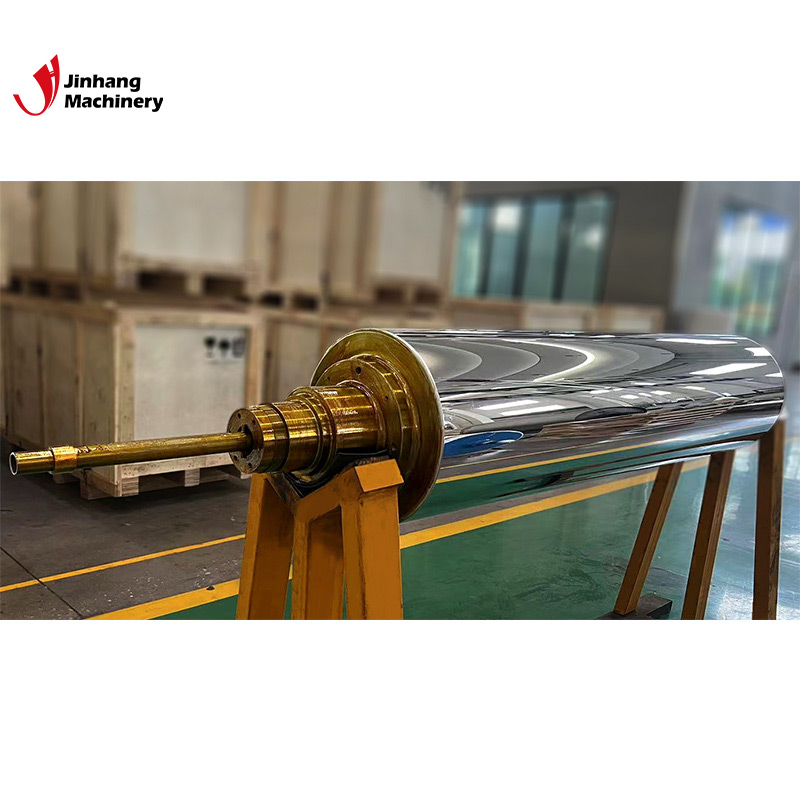
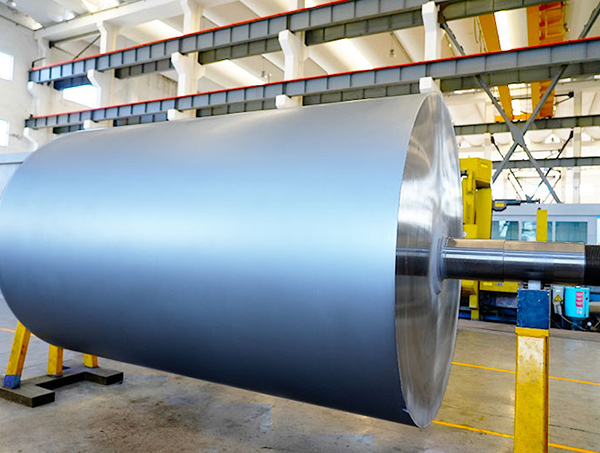
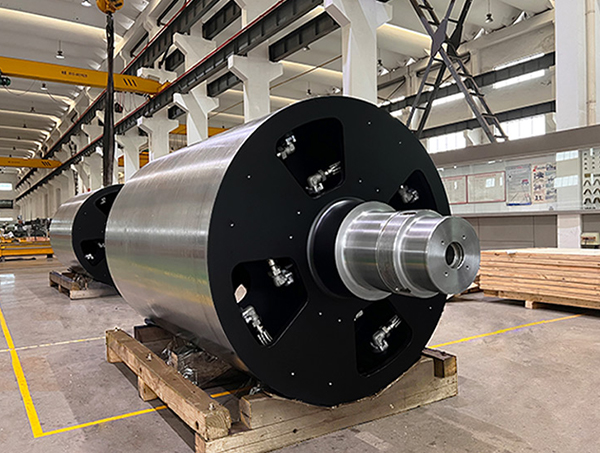
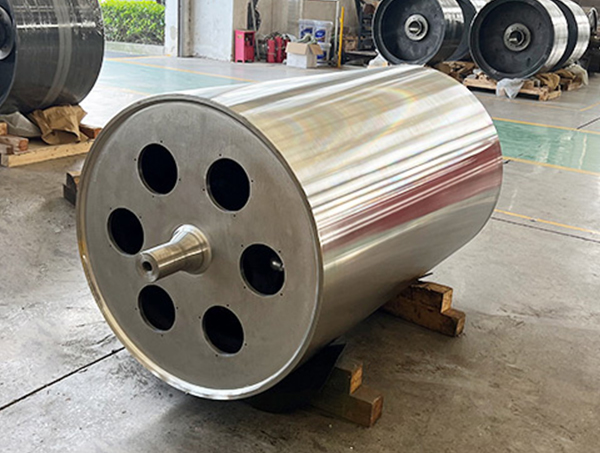
+86-15371769898[email protected]Chill rollers are essential components in many industrial manufacturing processes, especially in metal and plastic production. They are cylindrical devices that help rapidly cool hot materials, such as metal sheets, foils, or plastic films, immediately after extrusion, casting, or rolling. By controlling the cooling rate, chill rollers ensure consistent product dimensions, surface quality, and mechanical properties.
Selecting the correct chill roller is crucial because it directly affects the efficiency, quality, and reliability of the production process. Using an unsuitable roller can lead to uneven cooling, warping, or surface defects in the finished products. For manufacturers aiming to optimize performance, reduce waste, and maintain high product standards, understanding the key selection factors of chill rollers is essential.
In addition to cooling, chill rollers also contribute to surface finish, thickness control, and material handling. They are widely used in industries such as aluminum foil production, steel rolling, plastic film extrusion, and specialty materials manufacturing. A carefully chosen chill roller improves operational efficiency and enhances overall product quality, making it a vital investment for any industrial facility.
When selecting a chill roller, several critical factors must be evaluated to ensure compatibility with the manufacturing process. Material compatibility is the first consideration. Chill rollers are typically made of stainless steel, chrome-plated steel, or other heat-resistant alloys. The material must withstand high temperatures, resist corrosion, and avoid reactions with the product being processed.
Cooling method and capacity are equally important. Chill rollers may use water, oil, or air for cooling, and the choice depends on the heat load and speed of the production line. The roller’s surface temperature must be controlled precisely to achieve uniform cooling and prevent warping or surface defects.
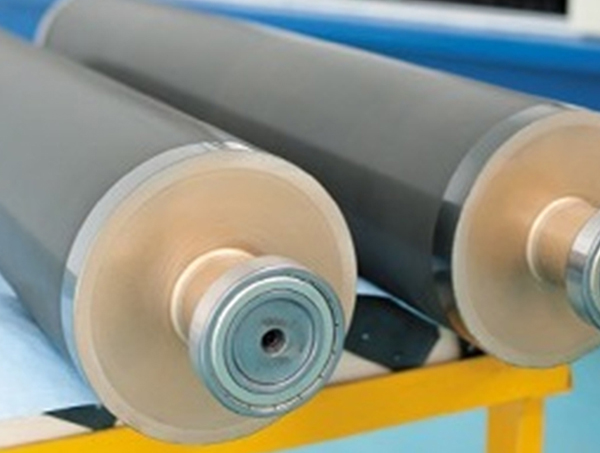
Other factors include roller size, diameter, and length, which must match the width and thickness of the product. The surface finish of the roller—whether polished, textured, or coated—also affects product quality. Choosing a roller with the correct surface properties ensures smooth material handling and desired surface characteristics on the final product.
Operational requirements, such as line speed, production volume, and load capacity, play a major role in chill roller selection. High-speed production lines require rollers capable of maintaining stable cooling rates without deformation, vibration, or excessive wear. Heavy-duty rollers are necessary for processing thick or dense materials, while lighter rollers may suffice for thin films or foils.
Environmental factors, including ambient temperature, humidity, and the presence of corrosive chemicals, also affect roller performance. In some applications, external coatings or protective finishes may be required to extend roller life. Selecting a chill roller that meets both operational and environmental demands reduces downtime, maintenance costs, and the risk of defects in finished products.
| Factor | Consideration | Impact on Production |
|---|---|---|
| Material Type | Stainless steel, chrome-plated steel, heat-resistant alloys | Determines durability, corrosion resistance, and surface interaction |
| Cooling Method | Water, oil, or air cooling | Ensures uniform temperature control and prevents warping |
| Roller Size & Diameter | Match product width and thickness | Prevents uneven cooling and maintains product dimensions |
| Surface Finish | Polished, textured, or coated | Affects product surface quality and handling |
| Operational Requirements | Line speed, load capacity, production volume | Ensures consistent performance and reduces downtime |
| Environmental Conditions | Ambient temperature, humidity, chemical exposure | Extends roller lifespan and maintains consistent cooling efficiency |
Choosing a chill roller also involves evaluating ease of maintenance and expected lifespan. Rollers with modular designs allow easier disassembly, cleaning, and replacement of worn parts. Routine inspection of bearings, seals, and cooling channels ensures stable operation and prevents unplanned downtime.
Lubrication systems, water or oil quality, and corrosion protection should also be considered. Using high-quality cooling fluids and maintaining clean circulation channels prevents clogging and uneven cooling, which can damage both the roller and the product. Proper maintenance strategies increase roller lifespan, reduce repair costs, and improve overall production reliability.
Additionally, manufacturers should assess the availability of spare parts and technical support from suppliers. Choosing a roller from a reputable manufacturer with accessible maintenance resources ensures minimal disruption and supports continuous operation in high-volume industrial environments.
Q1: Can a chill roller be used for both metal and plastic products?
A1: Yes, but the roller material, surface finish, and cooling method must be compatible with the specific type of material being processed.
Q2: How often should chill rollers be inspected?
A2: Depending on production intensity, rollers should be inspected monthly for surface wear, cooling channel blockages, and bearing performance.
Q3: Can the cooling capacity of a roller be adjusted?
A3: Yes, most chill rollers allow control of coolant flow or temperature to adapt to different materials and production speeds.
Q4: Does roller surface finish affect the final product?
A4: Absolutely. The roller’s surface finish influences smoothness, texture, and uniformity of the processed material.
Dedicated to developing and manufacturing various shapes of rolls with different roll structures.
Phone: +86-15371769898
Email: [email protected]
Add: 9 Lifa Avenue, Chengdong Town, Haian County, Nantong City, Jiangsu Province, China
Copyright© 2025 Jiangsu Jinhang Machinery Manufacturing Co., Ltd. All Rights Reserved.
 Custom Thin Walled Roller Manufacturers


 English
 русский
 Deutsch