+86-15371769898
 [email protected]
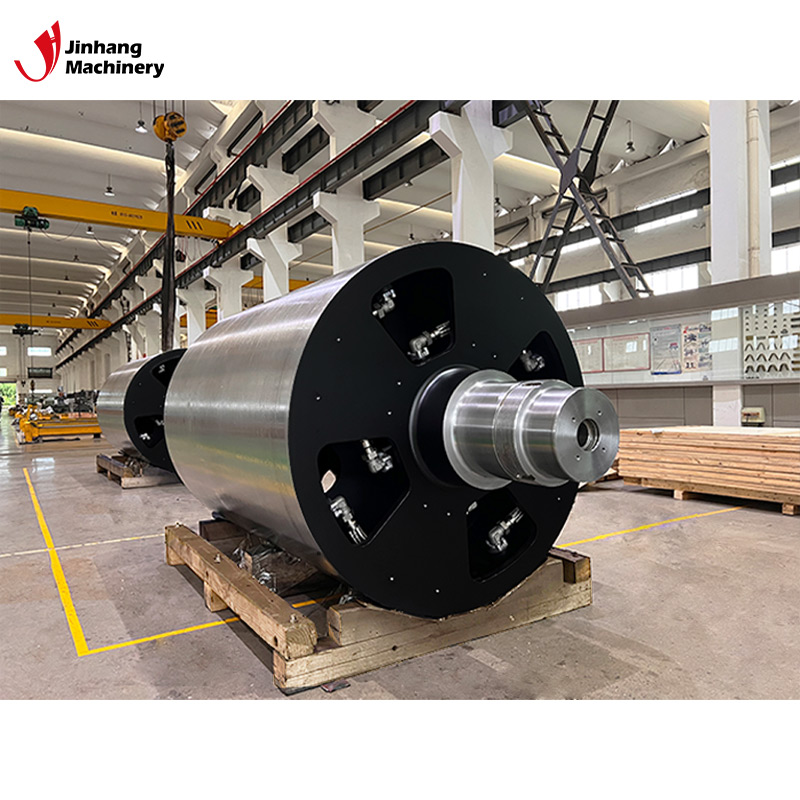
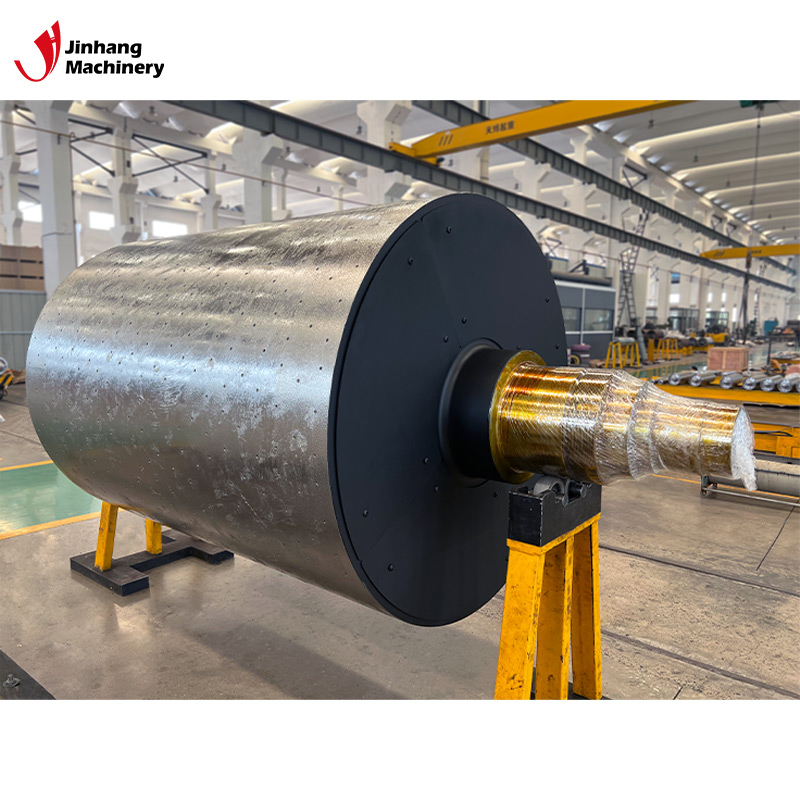
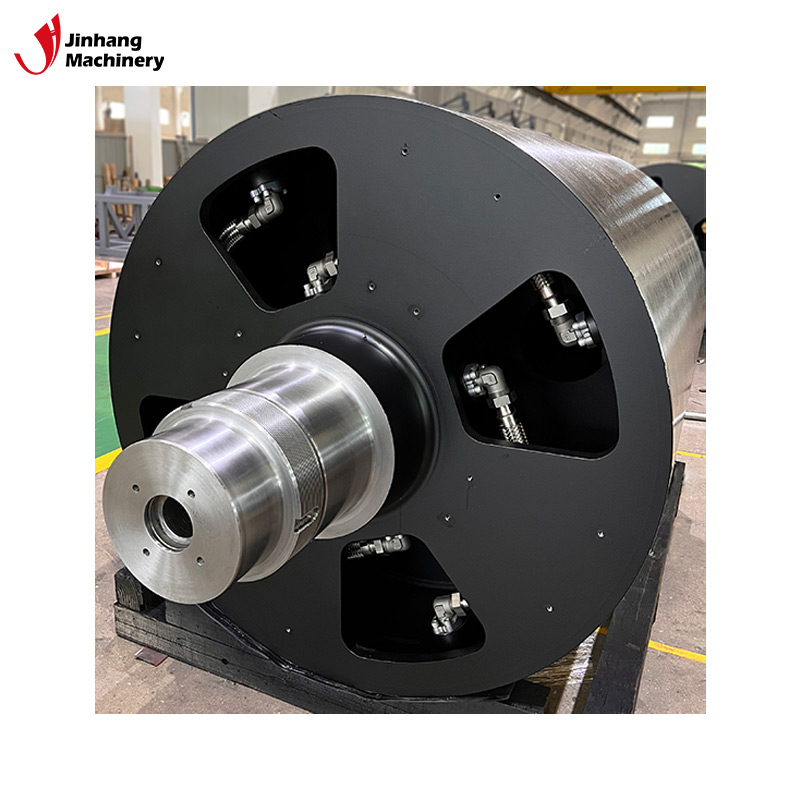
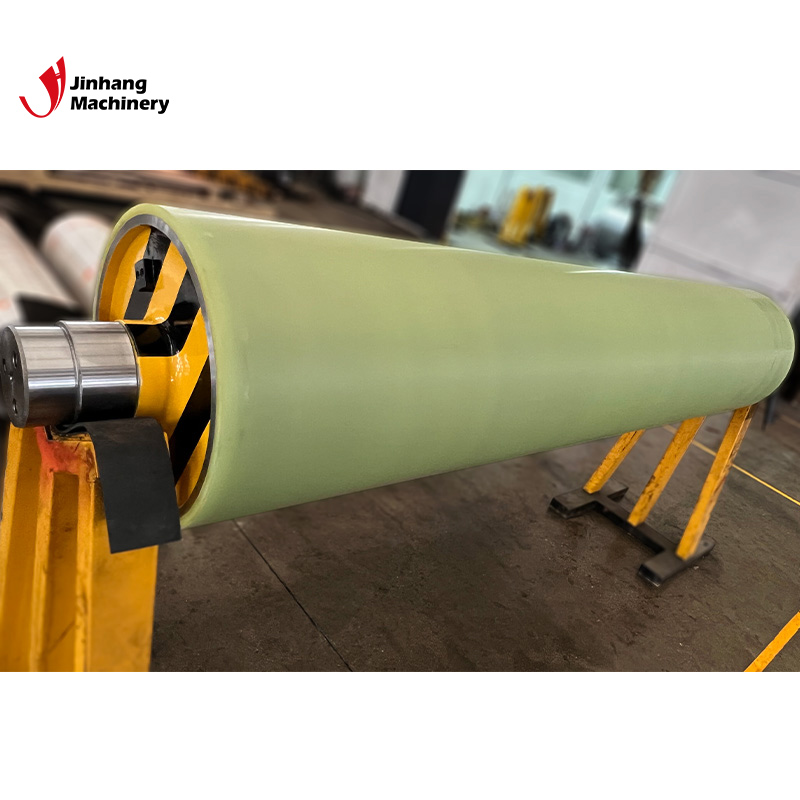
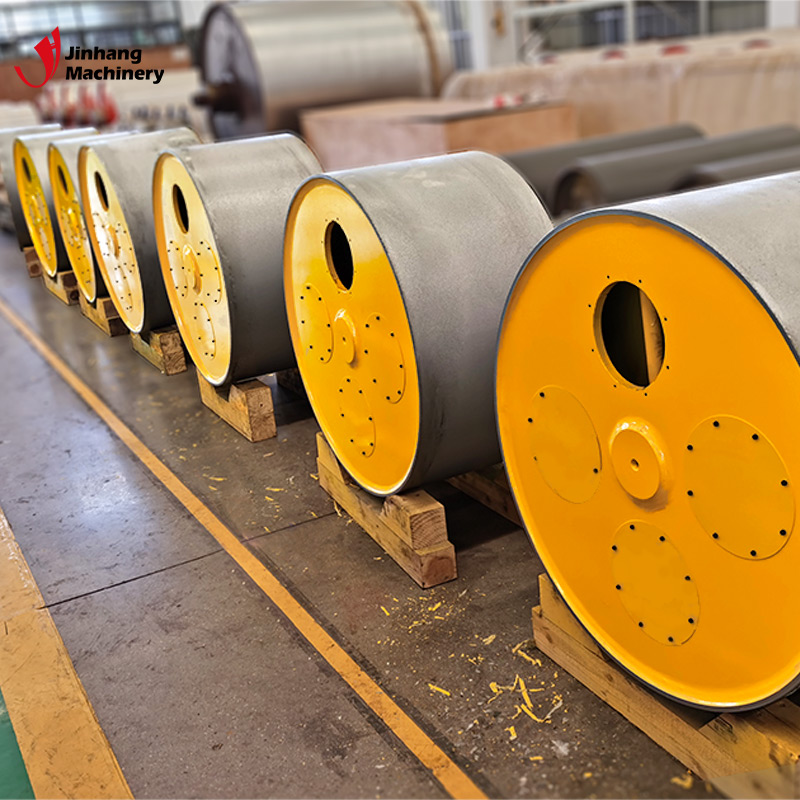
+86-15371769898[email protected]A rubber roller is a cylindrical component typically used in machinery where contact, pressure, or friction is required to process or transport materials. These rollers are usually composed of a metal or plastic core, covered with a layer of rubber. The rubber coating is designed to provide the necessary flexibility, durability, and resistance to wear and tear, which makes rubber rollers suitable for a wide range of industrial applications. Rubber rollers can be manufactured in various sizes, hardness levels (measured by durometers), and types of rubber compounds, depending on the specific requirements of the application.
In industrial settings, rubber rollers are a critical component in many types of machinery. They are commonly used in printing presses, packaging equipment, paper mills, and textiles processing machines. The rubber coating on these rollers ensures smooth material handling while preventing damage to the material being processed. In many cases, the rubber material also helps to create consistent pressure, which is necessary for uniform results in production processes. The choice of rubber type (e.g., nitrile, neoprene, or silicone) depends on factors such as the operating temperature, chemical exposure, and the specific mechanical properties required by the application.
A rubber roller is primarily a cylindrical roller that is covered with a layer of rubber, usually bonded to a metal or plastic core. The rubber coating is designed to provide cushioning and friction for the materials passing over the roller. These rollers are used in various manufacturing processes where the material needs to be moved, pressed, or transported with controlled pressure or friction.
The primary purpose of rubber rollers is to ensure smooth, precise, and controlled movement of materials through the machinery. The rubber material used in these rollers is carefully selected to meet the requirements of the process. For example, in printing, the roller must provide consistent pressure without damaging delicate papers, whereas in textile processes, it may need to provide even pressure to ensure smooth and uniform fabric processing.
The rubber covering is not just for protection; it also provides important mechanical properties like elasticity, hardness, and wear resistance. These properties are crucial because industrial environments often involve harsh conditions, including high pressures, temperatures, and abrasion, which can wear out less resilient materials quickly.
In industrial applications, rubber rollers perform a wide variety of roles depending on the industry and the machinery. Their primary function is to provide the necessary contact, friction, or pressure to the materials being processed. Rubber rollers are essential in various industries, and here are some common use cases:
Printing Industry:
In printing presses, rubber rollers are used to transfer ink from the ink reservoir to the printing plate or substrate (paper, plastic, etc.). These rollers apply pressure to ensure an even layer of ink is transferred, creating high-quality printed images. The rubber surface helps in distributing ink uniformly across the printing medium, which is essential for achieving sharp, clean prints.
Coating and Laminating:
Rubber rollers are widely used in coating and laminating machinery to apply a thin, consistent layer of coating materials (such as varnish, glue, or film) to surfaces. The roller evenly distributes the coating on substrates like paper, plastics, or metal, ensuring uniform coverage and smooth finishes.
Textile Industry:
In the textile industry, rubber rollers are used in machines like calenders, which apply pressure to fabrics to smooth, laminate, or texture them. Rubber rollers play a significant role in fabric finishing processes by controlling thickness and ensuring a uniform surface. They are also used in dyeing and printing textile materials.
Paper and Pulp Industry:
Paper mills use rubber rollers to press, dry, and transport paper through different stages of production. These rollers are essential for preventing wrinkles, creases, and other defects in the paper. The rubber surface helps maintain smooth movement through the paper machine and applies the correct amount of pressure during the drying and pressing stages.
| Property | Description |
|---|---|
| Elasticity | Rubber rollers are highly elastic, meaning they can return to their original shape after being deformed. This property helps in maintaining consistent pressure and smooth operation. |
| Durability | Rubber rollers are designed to withstand heavy wear and tear, making them suitable for long operational hours in demanding environments. |
| Chemical Resistance | Depending on the rubber type, some rollers are highly resistant to chemicals and solvents, making them ideal for industries like printing and chemical processing. |
| Hardness | Rubber rollers come in various hardness levels (measured by durometer). Softer rollers provide more grip and pressure, while harder rollers are used in applications requiring more durability. |
| Temperature Resistance | Certain rubber compounds can withstand high or low temperatures, ensuring that the rollers perform efficiently in extreme conditions. |
The correct choice of rubber material, along with its hardness and flexibility, determines how well the roller will perform in specific industrial applications. Selecting the appropriate rubber compound for the application is crucial to optimize both efficiency and the lifespan of the roller.
Proper maintenance is essential for ensuring the longevity and performance of rubber rollers. Over time, the rubber can degrade due to factors such as exposure to extreme temperatures, chemicals, or physical wear. Below are some key maintenance tips for rubber rollers:
Regular Cleaning: Dirt, ink, and other residues can affect the roller’s functionality, leading to uneven pressure or ink distribution. Regular cleaning with non-abrasive solvents is crucial to maintain the rubber’s performance.
Surface Inspection: It’s essential to periodically inspect the rubber rollers for signs of damage, such as cracks, wear, or surface degradation. If the rubber shows visible signs of damage, the roller should be replaced to prevent damage to the machine or the material being processed.
Lubrication: In some applications, especially in high-speed machinery, rubber rollers may need lubrication to reduce friction and prevent excessive wear. Proper lubrication can also help reduce noise and vibration.
Storage: Rubber rollers should be stored in a cool, dry environment when not in use. Exposure to direct sunlight or high temperatures can degrade the rubber material over time.
Q1: How do I choose the right rubber roller for my application?
Choosing the right rubber roller depends on factors like the type of material being processed, the desired pressure, and environmental conditions such as temperature or exposure to chemicals. It’s essential to consider the hardness and chemical resistance of the rubber as well.
Q2: How long do rubber rollers last?
The lifespan of a rubber roller depends on the operating conditions, frequency of use, and maintenance. With proper care, a rubber roller can last anywhere from a few months to several years.
Q3: Can rubber rollers be repaired?
Yes, in some cases, rubber rollers can be refurbished or re-coated. However, this depends on the extent of the damage. Minor issues like surface wear can often be repaired, but significant cracks or deep damage may require a full replacement.
Q4: How can I prevent rubber roller wear?
Regular cleaning, proper lubrication, and periodic inspections are key to preventing excessive wear. Additionally, using the appropriate rubber material for your specific application can reduce wear and extend the roller’s lifespan.
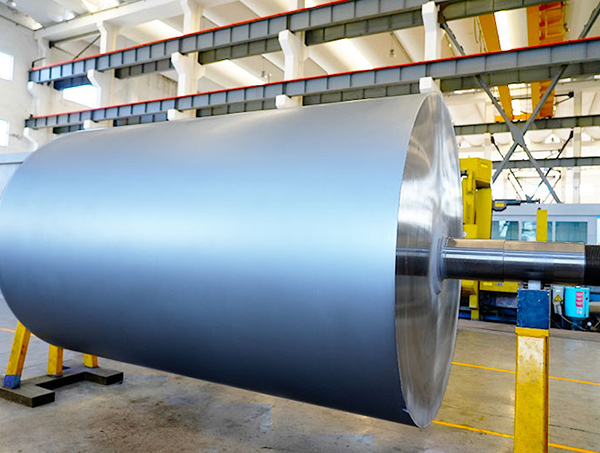
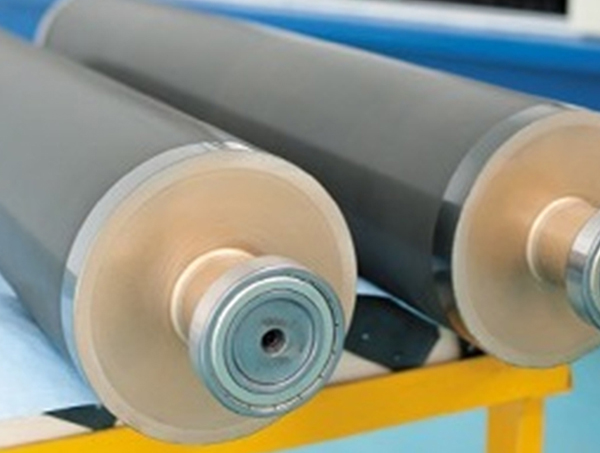
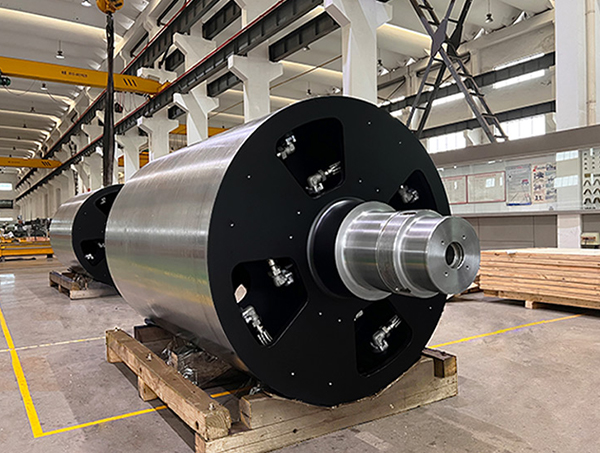
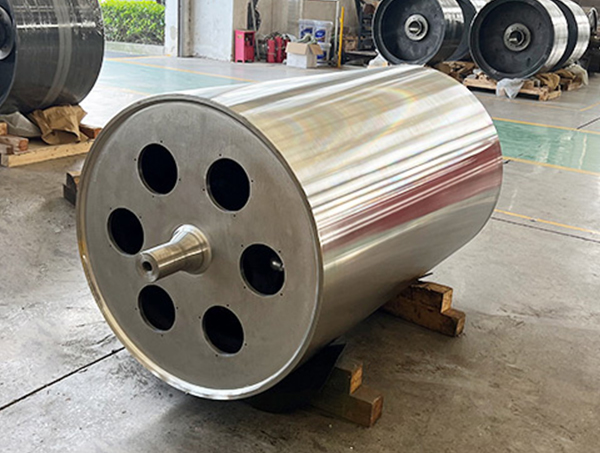
Dedicated to developing and manufacturing various shapes of rolls with different roll structures.
Phone: +86-15371769898
Email: [email protected]
Add: 9 Lifa Avenue, Chengdong Town, Haian County, Nantong City, Jiangsu Province, China
Copyright© 2025 Jiangsu Jinhang Machinery Manufacturing Co., Ltd. All Rights Reserved.
 Custom Thin Walled Roller Manufacturers


 English
 русский
 Deutsch