+86-15371769898
 [email protected]
+86-15371769898[email protected]In the sophisticated world of modern manufacturing, the industrial rubber roller is an indispensable component that serves as the tactile interface between the machine and the product. Whether in high-speed offset printing, precision film lamination, or heavy-duty steel cold rolling, these precision-engineered cylinders are responsible for the uniform application of pressure, the consistent transfer of liquids, and the delicate handling of fragile substrates. As we move through 2026, the demand for higher production speeds and tighter tolerances has elevated rubber roller engineering from a commodity purchase to a critical technical specification. Selecting the “right” roller involves a complex interplay of polymer chemistry, mechanical engineering, and surface science. A mismatched elastomer or an incorrect durometer can lead to catastrophic “Down-Time,” surface defects, and excessive material waste.
The performance and lifespan of an industrial roller are primarily determined by the chemical and physical properties of its elastomeric covering. In the industrial sector, “Rubber” is a broad term that encompasses a wide variety of synthetic polymers, each engineered to survive specific environmental stressors. Selecting the correct compound requires an audit of your entire process—from the cleaning solvents used at the end of a shift to the peak operating temperatures during a high-speed run.
The chemical foundation of your roller dictates its resistance to “Swelling,” “Crazing,” and “Abrasion.”
Beyond the chemical makeup, the “Hardness” of the rubber, measured on the Shore A Scale, is a decisive factor in process quality.
The structural integrity of a rubber roller depends as much on its internal metal core and bonding technology as it does on its rubber covering. For a roller to achieve “Operational Excellence,” it must be perfectly concentric and dynamically balanced. Any vibration or “Run-Out” at high RPMs will inevitably result in “Chatter Marks” on the product and premature bearing failure in the machine. In 2026, professional manufacturers utilize advanced CNC grinding and ultrasonic testing to ensure that the roller is a perfect cylinder from journal to journal.
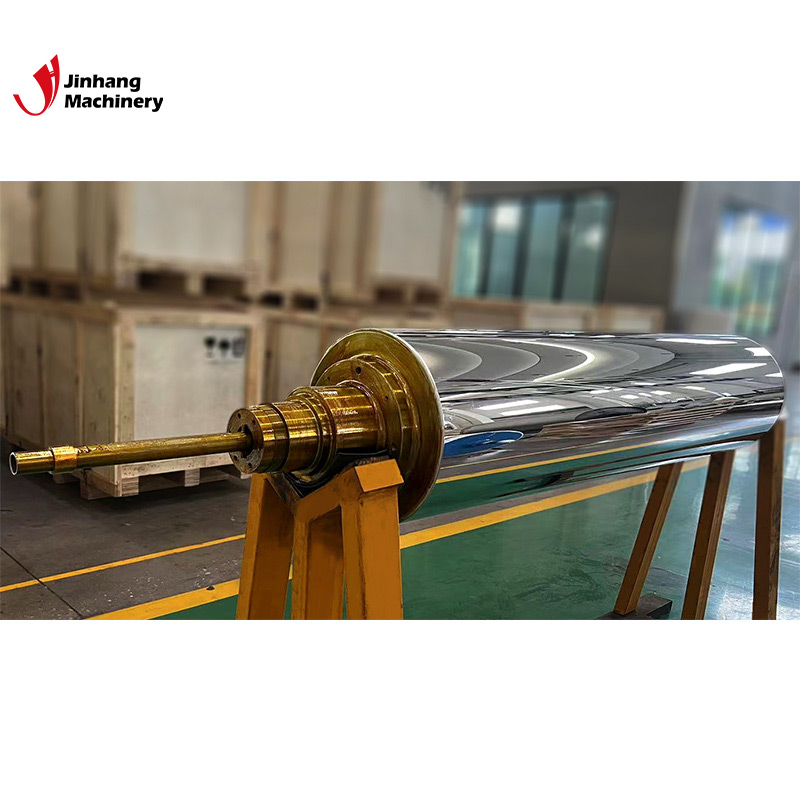
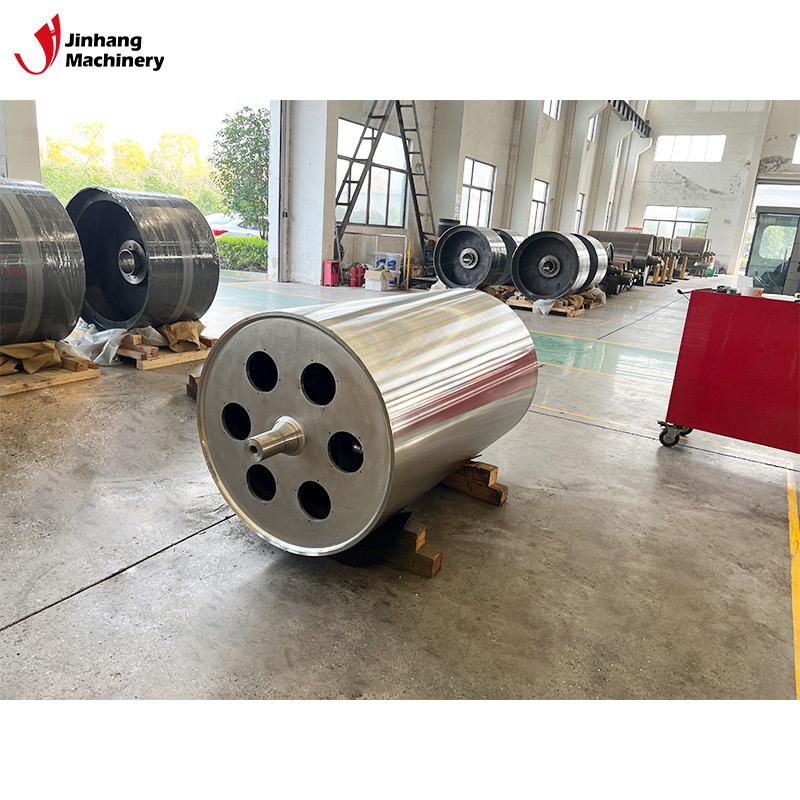
The manufacturing process begins with the Metal Core, typically fabricated from heavy-walled steel tubing, stainless steel (for food and medical use), or lightweight aluminum.
To maximize the Return on Investment (ROI) of your industrial rollers, a proactive maintenance culture is essential. Over time, all rubber rollers experience “Glazing”—a process where heat and chemicals cause the surface to become smooth, hard, and non-absorbent.
This table serves as a technical reference for engineers to match their process environment with the correct elastomer and hardness profile.
| Industrial Process | Key Stressor | Recommended Elastomer | Hardness (Shore A) |
|---|---|---|---|
| Offset Printing | Oil-based Inks | Nitrile (NBR) | 25 - 45 |
| Film Lamination | High Heat | Silicone | 50 - 70 |
| Metal Processing | High Abrasion | Polyurethane (PU) | 80 - 95 |
| Textile Dyeing | Water & Chemicals | EPDM | 40 - 60 |
| Food Packaging | Hygiene / FDA | White Silicone | 40 - 60 |
| Adhesive Coating | Tackiness / Glue | Non-stick Silicone | 30 - 50 |
The most obvious sign of swelling is a change in the roller’s diameter or a “softening” of the rubber surface. If the roller is physically larger than its original specification or if the surface feels “Gummy,” it is likely reacting negatively to a chemical or solvent in your process.
Dynamic balancing is the process of ensuring that the weight of the roller is distributed evenly around its center of rotation. Without it, a roller spinning at high speeds will create a “Centrifugal Force” that causes vibration, leading to poor print quality and mechanical damage to your machine.
Small surface nicks can sometimes be “Sanded Out” during a regrinding process. However, if the cut reaches the metal core, the roller must be “Recovered,” as a localized patch will almost always create a “Mark” on the substrate during production.
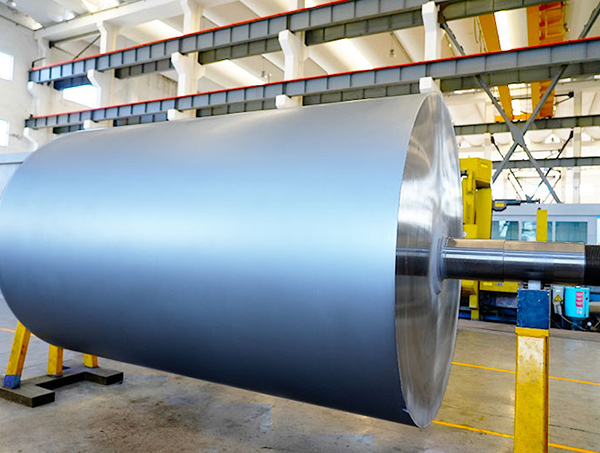
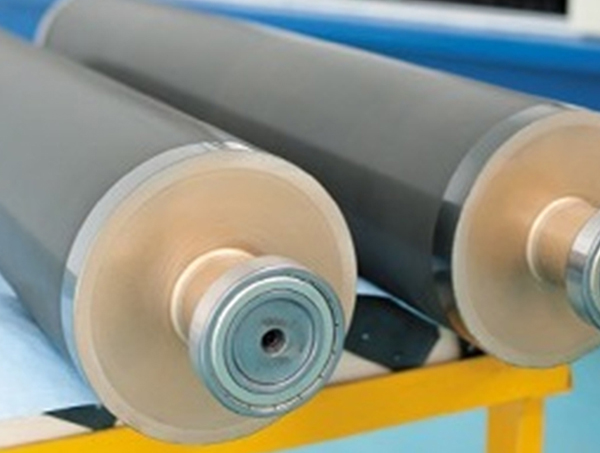
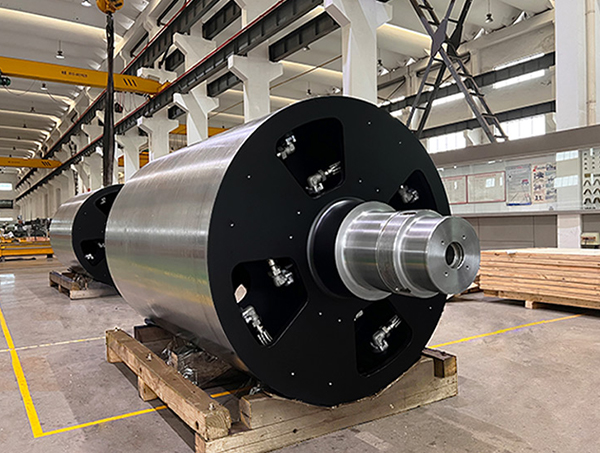
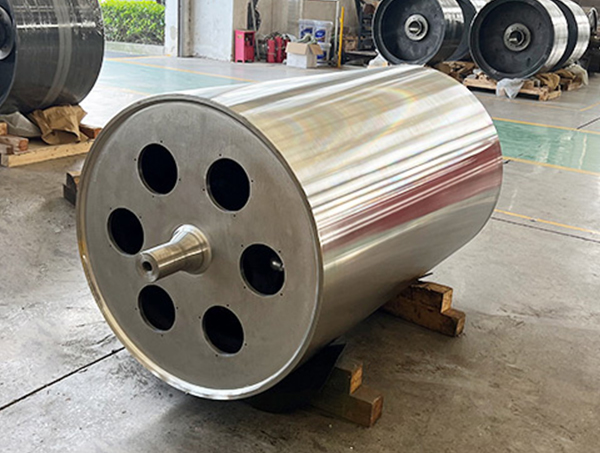
Dedicated to developing and manufacturing various shapes of rolls with different roll structures.
Phone: +86-15371769898
Email: [email protected]
Add: 9 Lifa Avenue, Chengdong Town, Haian County, Nantong City, Jiangsu Province, China
Copyright© 2025 Jiangsu Jinhang Machinery Manufacturing Co., Ltd. All Rights Reserved.
 Custom Thin Walled Roller Manufacturers


 English
 русский
 Deutsch