+86-15371769898
 [email protected]
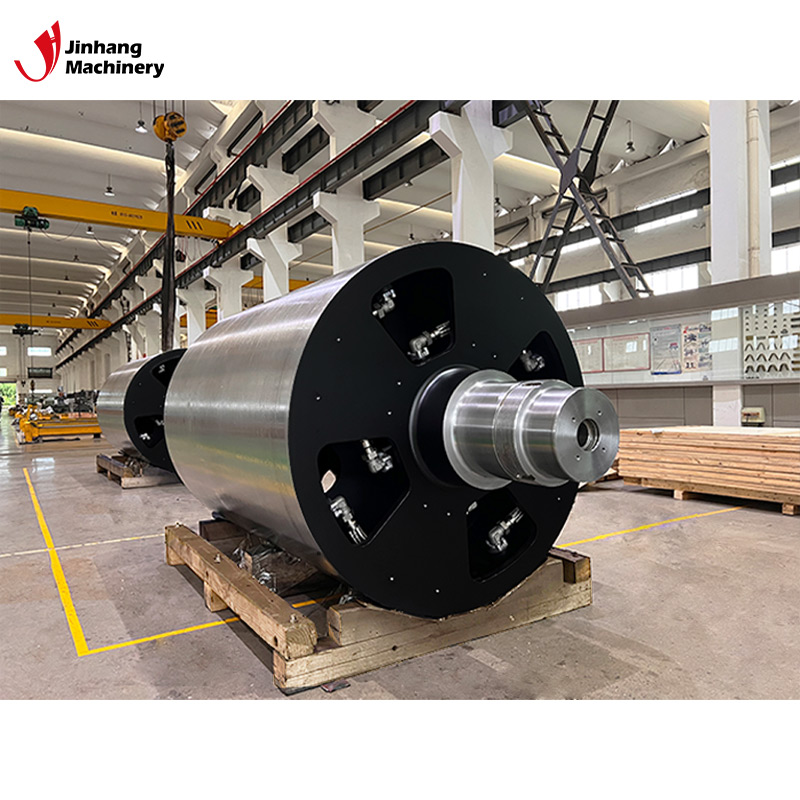
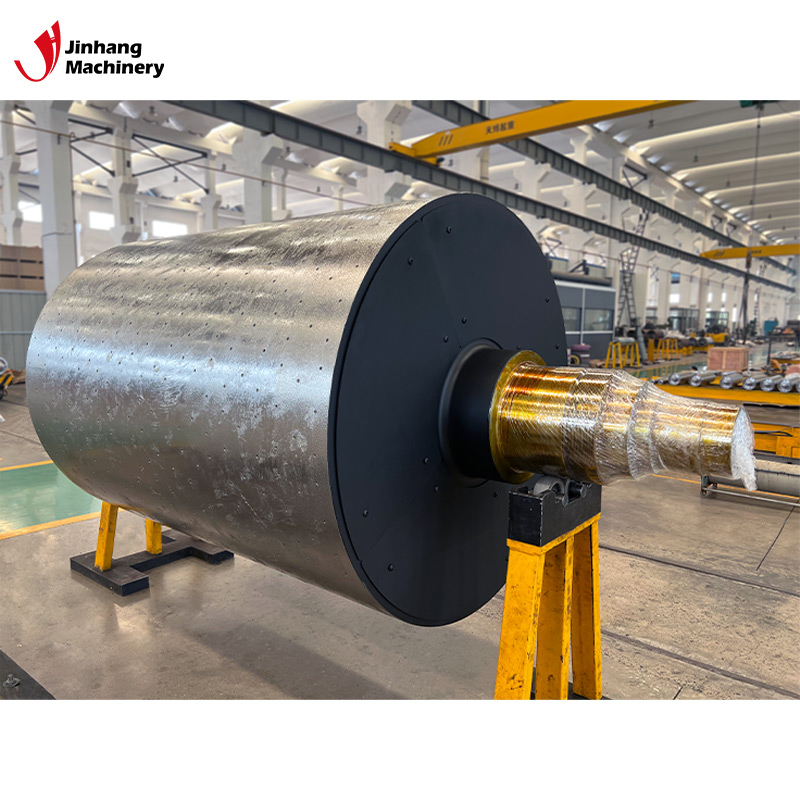
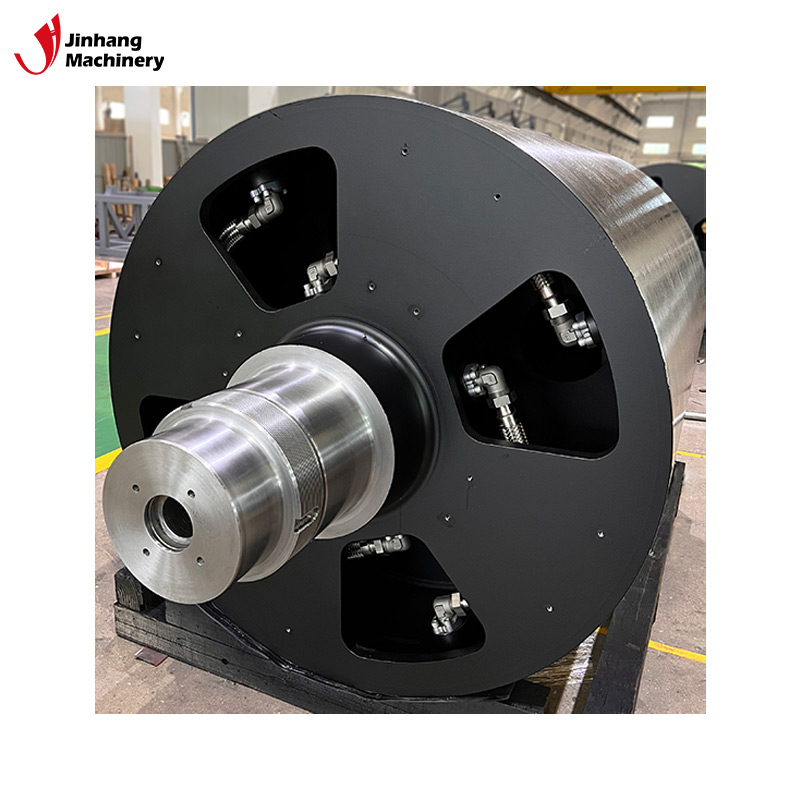
+86-15371769898[email protected]Heating rollers play a crucial role in various industrial heating processes by improving the efficiency, consistency, and quality of production. From textiles to plastics and food processing, heating rollers are integral to maintaining precise temperature control, reducing energy consumption, and increasing throughput. By directly applying heat to materials, heating rollers provide fast and uniform heating, which ensures that the final product meets the required specifications without wasting time or energy.
In industrial settings, precision is key. Heating rollers offer an unparalleled level of control, ensuring uniform heating across large surfaces or long materials. This uniformity is especially vital for industries that rely on consistent material properties, such as film manufacturing, textile finishing, and plastic molding. Unlike traditional methods, such as ovens or radiant heating, which may cause uneven temperature distribution, heating rollers guarantee that heat is applied directly and consistently to the surface of the material. This process minimizes the risk of defects like wrinkles, blisters, or weak bonding, ensuring that the final product meets high standards of quality.
One of the most significant advantages of heating rollers is their ability to provide uniform heat distribution. Whether you’re processing textiles, plastics, or food, uniform heat ensures that every part of the material receives the same treatment, reducing defects and improving the overall quality of the product.
In traditional heating methods like ovens, hot air is circulated to heat the material, often leading to uneven temperatures. This can result in parts of the material being overcooked or undercooked, leading to quality inconsistencies. Heating rollers, however, apply direct contact heat to the material, ensuring a consistent temperature across the entire surface. This is especially important in industries where materials are sensitive to temperature fluctuations, such as in plastic molding or coating applications.
The heating process is controlled by the speed at which the material passes over the roller, as well as the temperature of the roller itself. The temperature of the roller can be adjusted to suit the material being processed, ensuring that it is heated to the optimal level without excessive energy consumption or damage to the product. This direct and efficient heat transfer improves overall product quality and minimizes waste due to defects.
| Heating Method | Efficiency | Application |
|---|---|---|
| Heating Rollers | High energy transfer, uniform heat | Textile finishing, plastic molding, film coating |
| Conventional Ovens | Slower, uneven heat distribution | Large-scale production, slower throughput |
| Induction Heating | Fast, localized heat, high precision | Metalworking, surface treatments |
| Infrared Heating | Fast heat transfer, but uneven | Drying, coating, and curing |
Another major benefit of heating rollers is their ability to reduce heating times significantly compared to traditional methods. By applying heat directly to the material, heating rollers improve the efficiency of heat transfer, resulting in faster heating and reduced production cycles. This is especially beneficial in high-volume manufacturing environments where speed is critical to maintaining high throughput.
For example, in the textile industry, heating rollers are used to dry and cure fabrics quickly after dyeing or finishing. The faster the fabric passes through the heating rollers, the quicker it can be processed and moved through the next stage of production, increasing overall throughput. This faster heating time not only boosts productivity but also reduces energy costs by cutting down on the time that heating systems need to be active.
Similarly, in plastic film manufacturing, the heating rollers quickly bring the plastic to the correct temperature before it is stretched or molded. Without fast and uniform heating, the film could warp or fail to meet the required specifications, leading to product defects. With heating rollers, however, the entire process is streamlined, allowing manufacturers to produce higher volumes of product in less time.
Precision is critical in many industrial heating processes, and heating rollers offer unparalleled control over the heating process. The ability to adjust both the temperature of the rollers and the speed at which the material is processed allows for greater flexibility in manufacturing.
In industries like food processing, where maintaining a specific temperature range is essential to avoid overcooking or undercooking, heating rollers allow operators to fine-tune the process. By controlling the roller’s temperature and the material’s contact time with the roller, manufacturers can achieve the desired heating level with high accuracy.
Additionally, some advanced heating roller systems are equipped with temperature sensors and automated controllers that constantly monitor and adjust the heat to ensure optimal performance. This level of control helps maintain consistent product quality and reduces the likelihood of defects caused by temperature inconsistencies.
Heating rollers help reduce material waste by providing controlled, uniform heat that minimizes defects. In industries such as plastic molding, textile production, and food coating, even small variations in temperature can cause significant issues. Products that are overheated or underheated may need to be scrapped or reworked, leading to material waste and increased production costs.
By using heating rollers, manufacturers can ensure that each material is heated consistently and to the desired temperature, significantly reducing the chances of defects. For instance, in the plastic industry, inconsistent heating can lead to bubbles or weak points in the product, making it prone to breakage. Similarly, in the textile industry, uneven curing or finishing can cause fabrics to develop inconsistencies or undesirable textures. Heating rollers minimize these issues by providing precise and uniform heat.
The ability to fine-tune both the temperature and speed at which materials pass over the roller also means less material waste. In food processing, where coatings and fillings need to be evenly applied, heating rollers ensure that these treatments are applied uniformly, reducing the need for adjustments or reprocessing.
Heating rollers are versatile and can be used in a wide range of industries, from textiles to plastics and food processing. This versatility is due to the fact that heating rollers can handle a variety of materials, from flexible films and textiles to rigid plastics and food ingredients. Their ability to accommodate different temperatures and speeds makes them adaptable to various processes.
For example, in the textile industry, heating rollers are used to dry, cure, or apply finishes to fabrics. In plastic processing, they help achieve uniform heat distribution when manufacturing plastic films or sheets. In food production, heating rollers can be used for processes like applying coatings, heating fillings, or even sterilizing ingredients.
Additionally, some advanced heating roller systems can be configured with multiple rollers or heating zones to handle different materials simultaneously. This makes them ideal for complex manufacturing processes that require precise control over multiple stages of production.
Q1: How do heating rollers reduce heating time?
Heating rollers reduce heating time by applying heat directly to the material, ensuring faster heat transfer. This direct contact reduces the time needed to reach the desired temperature compared to traditional heating methods like ovens.
Q2: Can heating rollers be used in multiple industries?
Yes, heating rollers are versatile and can be used in various industries, including textiles, plastics, food processing, and printing. They can handle a range of materials and processes, making them adaptable to different manufacturing needs.
Q3: How do heating rollers improve product quality?
By providing uniform heating, heating rollers ensure that materials are heated consistently, which helps prevent defects such as warping, overcooking, or uneven coating. This improves the final product quality.
Q4: What is the maintenance required for heating rollers?
Maintenance typically includes regular cleaning of the rollers to remove residue, checking for wear and tear, and ensuring that the heating elements and temperature controls are functioning correctly.
Q5: Are heating rollers energy-efficient?
Yes, heating rollers are energy-efficient because they apply heat directly to the material, minimizing energy loss compared to methods like convection ovens. This makes them a more environmentally friendly and cost-effective option.
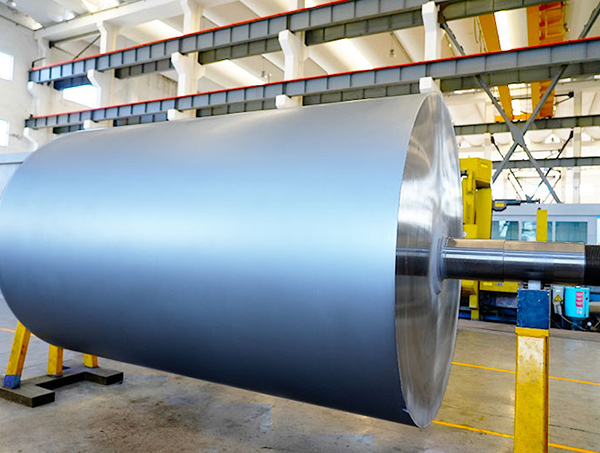
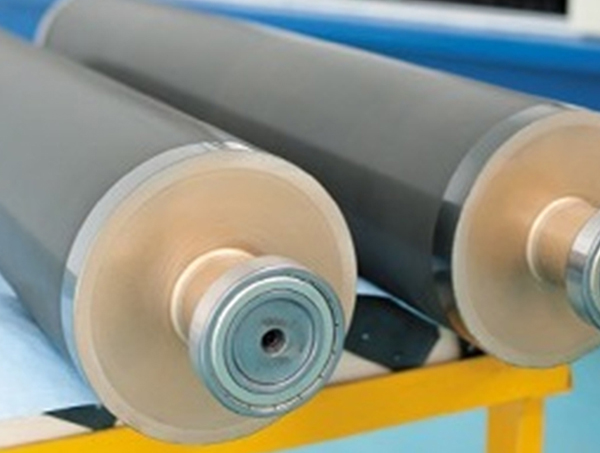
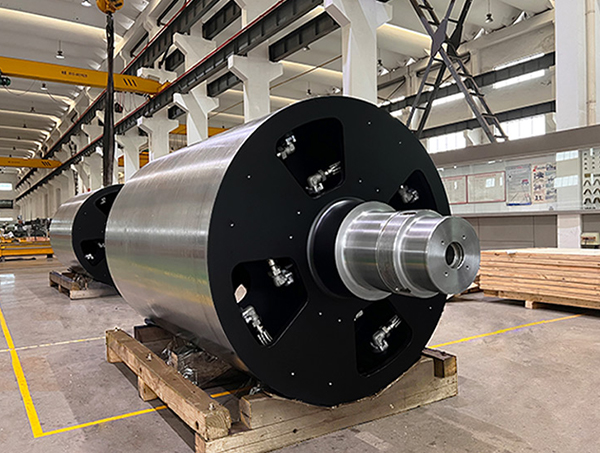
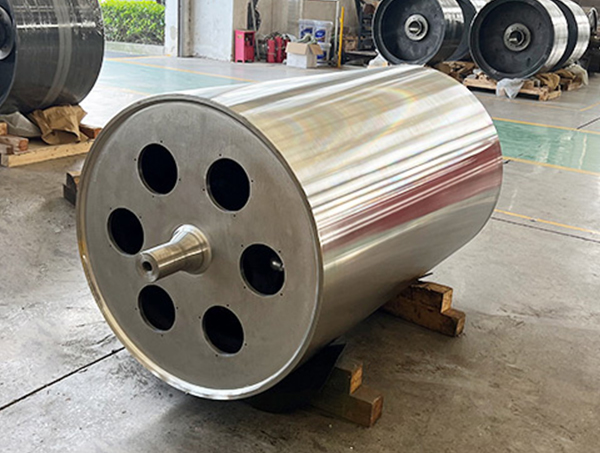
Dedicated to developing and manufacturing various shapes of rolls with different roll structures.
Phone: +86-15371769898
Email: [email protected]
Add: 9 Lifa Avenue, Chengdong Town, Haian County, Nantong City, Jiangsu Province, China
Copyright© 2025 Jiangsu Jinhang Machinery Manufacturing Co., Ltd. All Rights Reserved.
 Custom Thin Walled Roller Manufacturers


 English
 русский
 Deutsch