+86-15371769898
 [email protected]
+86-15371769898[email protected]In the steel industry, water quenching is a widely used process for hardening and strengthening steel. This process involves rapidly cooling steel after it has been heated to a high temperature (typically around 800–1000°C). The steel is exposed to water, which quickly absorbs heat and transforms the material’s microstructure, enhancing its hardness and mechanical properties. Water quenching rollers play an essential role in controlling this rapid cooling process, ensuring that the cooling is uniform and efficient, which is crucial for achieving the desired properties in the steel.
Water quenching refers to the process of rapidly cooling heated steel by immersing it in or spraying it with water. After the steel is heated to a specific temperature in a furnace, it needs to be cooled quickly to achieve the desired metallurgical properties. Quenching induces a phase transformation in the steel, where the austenite structure (high-temperature phase) is rapidly converted into martensite (hard phase), thus improving the hardness, strength, and wear resistance of the steel.
The steel’s cooling rate during quenching must be fast enough to avoid the formation of unwanted phases that can decrease its hardness. Water is an ideal quenching medium because it has a high heat capacity and conducts heat away from the steel much faster than air or oil, making it an effective and efficient cooling agent. However, the cooling rate must be carefully controlled to prevent cracking, distortion, or uneven hardness in the steel.
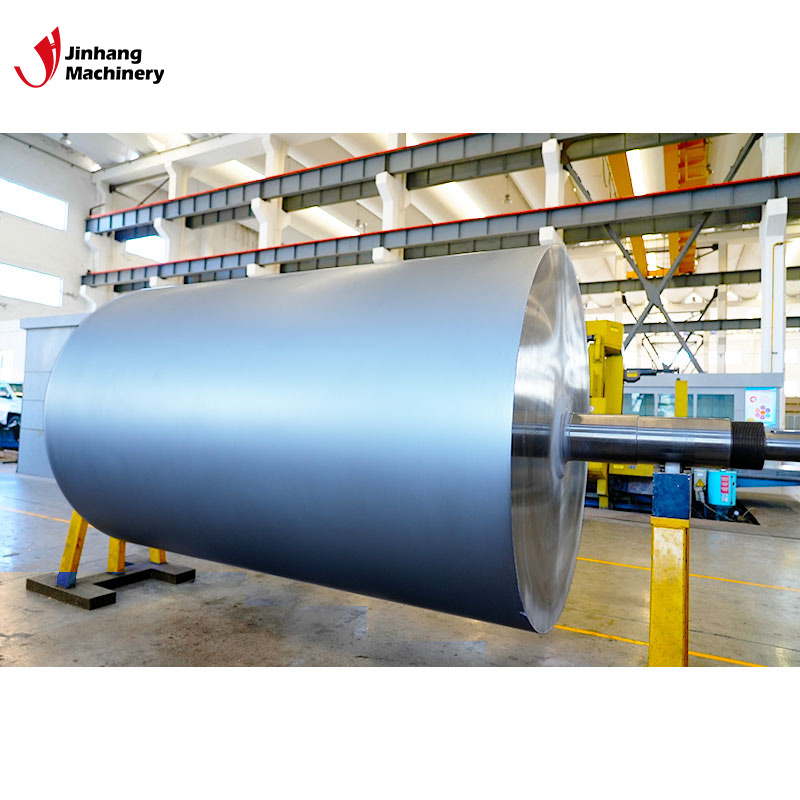
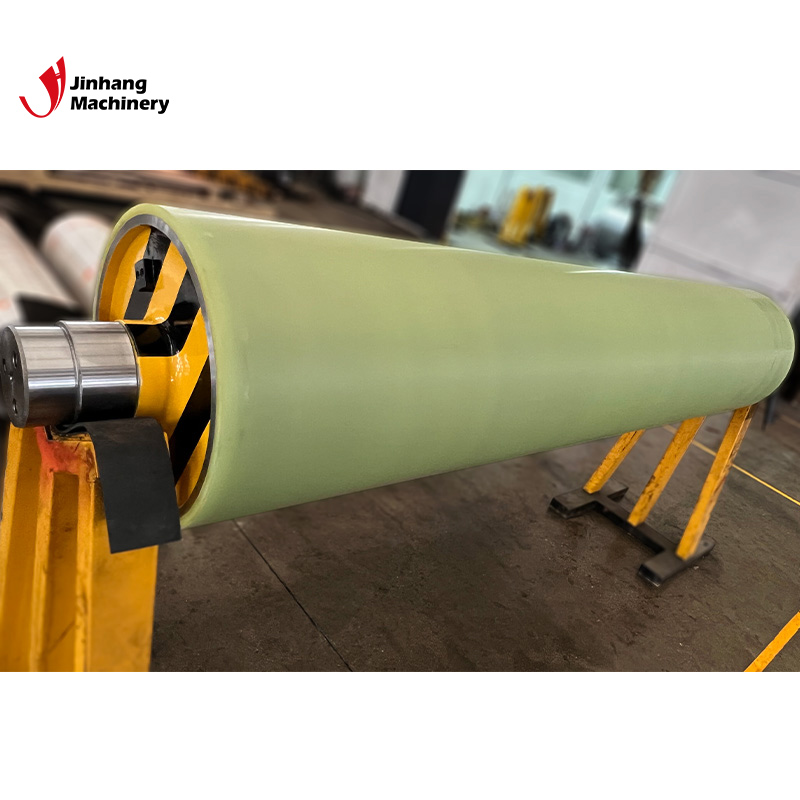
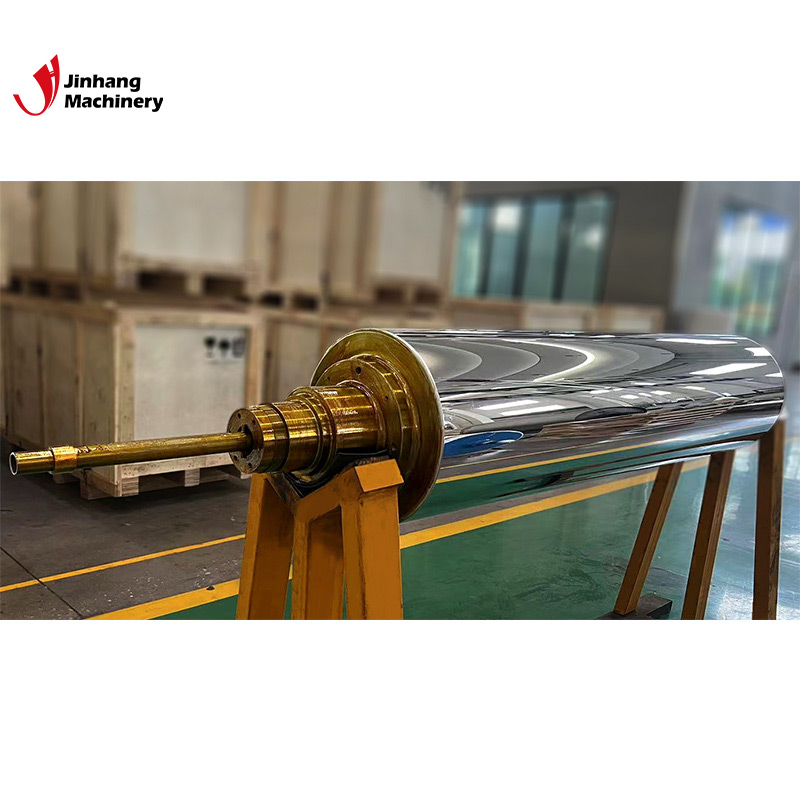
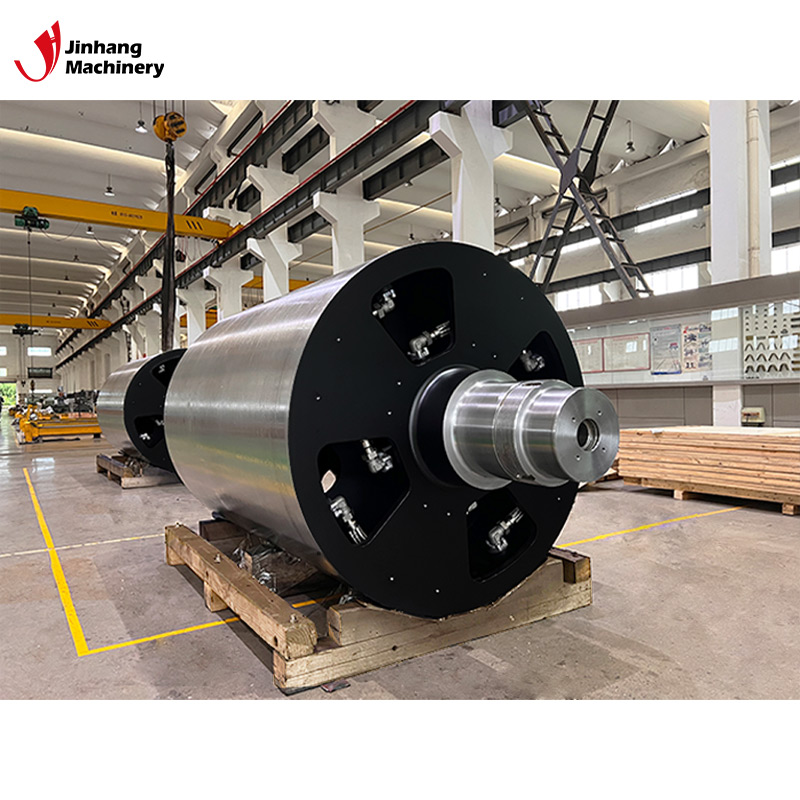
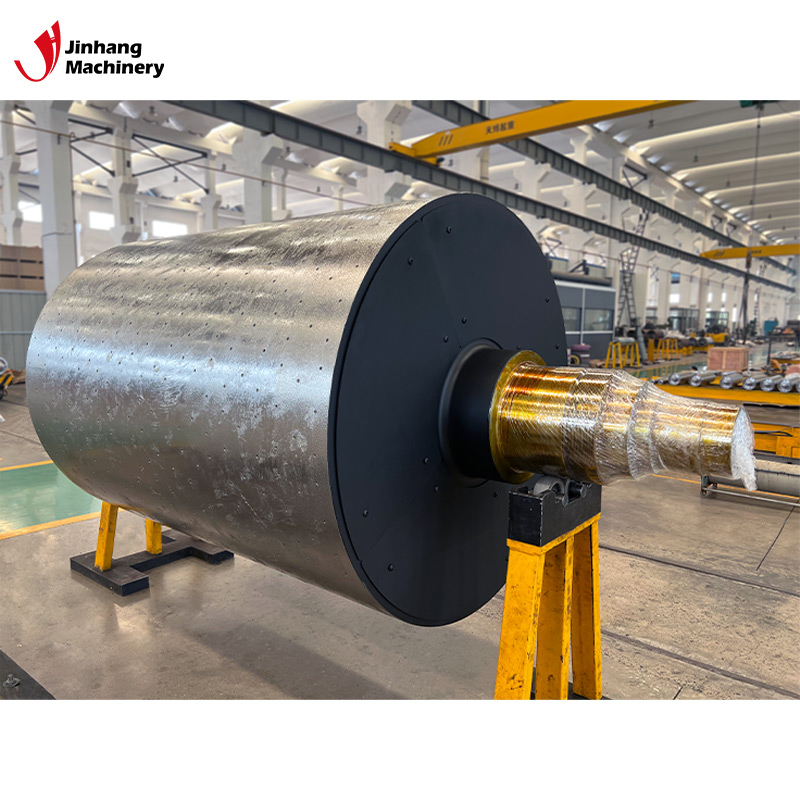
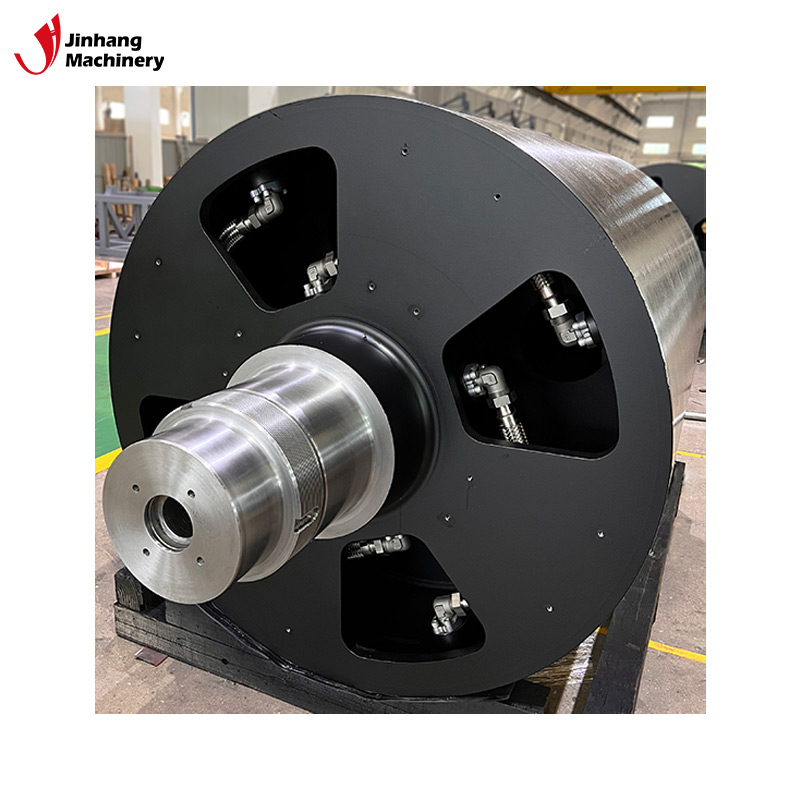
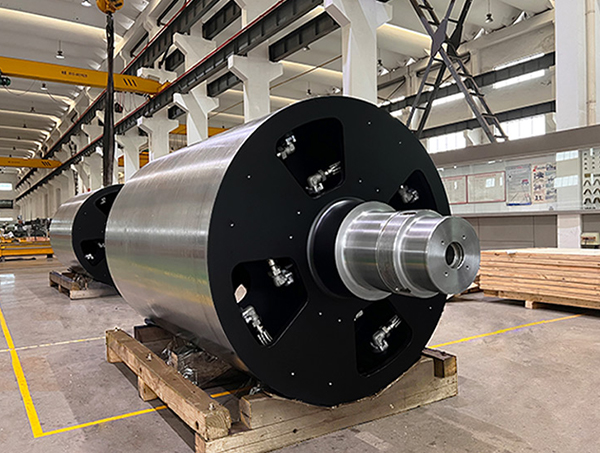
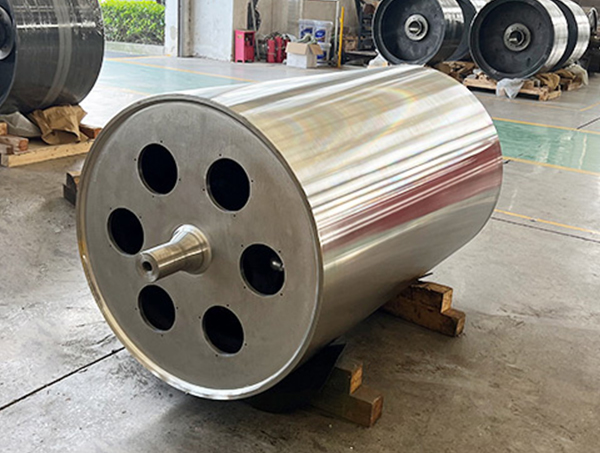
Water quenching rollers are specialized machines used to apply water to the steel surface during the quenching process. These rollers help control the cooling process in a continuous steel production line, ensuring the steel is cooled uniformly and efficiently. Their role can be broken down into several key functions:
Continuous Steel Movement:
In modern steel plants, steel is often processed on continuous production lines, where it moves through various stages of heating, rolling, and cooling. Water quenching rollers help transport the steel through the cooling process while maintaining the correct alignment and preventing it from warping or distorting during rapid cooling. The rollers help ensure that the steel moves at a constant rate, which is essential for maintaining a consistent cooling rate.
Water Application:
Water quenching rollers are equipped with spray nozzles or water baths that apply water directly to the steel surface. The water sprays or immerses the hot steel as it moves through the roller system, rapidly absorbing heat from the steel and cooling it quickly. The uniformity of the water application is crucial for achieving even cooling across the surface of the steel, ensuring consistent hardness and avoiding the formation of stresses or cracks.
Controlled Cooling Rate:
Water quenching rollers help regulate the speed at which the steel is cooled, which is essential for controlling its microstructure. A consistent cooling rate helps prevent defects such as warping, cracking, or the formation of undesirable phases. The rollers allow for the precise adjustment of cooling rates by controlling the flow of water, the distance between the water spray nozzles, and the speed of the steel as it moves through the system.
| Feature | Description |
|---|---|
| Water Application | Rollers are equipped with nozzles or immersion systems that apply water evenly across the steel surface. |
| Cooling Rate Control | Rollers help regulate the rate at which the steel is cooled, ensuring a consistent and controlled process. |
| Uniformity | The design of the rollers ensures even contact between the water and the steel, minimizing the risk of uneven cooling. |
| Material Movement | Rollers guide the steel through the quenching process while minimizing distortion or warping. |
| Efficient Heat Transfer | Water conducts heat efficiently from the steel, accelerating the cooling process and improving productivity. |
Water quenching rollers provide several significant advantages in steel manufacturing, which directly impact the quality of the final steel products and the efficiency of the production process:
Improved Mechanical Properties:
The primary benefit of water quenching is the increased hardness and strength of steel. By rapidly cooling the steel, water quenching transforms the steel’s structure, resulting in greater tensile strength, wear resistance, and durability. This is particularly crucial in industries like automotive and aerospace, where high-performance materials are required.
Uniform Hardness and Strength:
Water quenching rollers ensure that the cooling process is uniform across the entire surface of the steel. This uniformity is essential for avoiding issues like cracking, uneven hardness, or dimensional distortions. When the cooling process is consistent, the steel is more likely to achieve the desired mechanical properties throughout its length.
Increased Productivity:
In continuous steel production, time is of the essence. Water quenching rollers help optimize the cooling process by allowing for rapid heat transfer, thus speeding up the overall production process. The rollers ensure that the steel moves through the quenching stage quickly and efficiently, increasing throughput while maintaining high-quality output.
Energy Efficiency:
Water is a highly efficient cooling medium due to its high specific heat capacity, meaning it can absorb a large amount of heat without significantly increasing in temperature. Water quenching rollers leverage this property to reduce energy consumption compared to other cooling methods, such as air or oil quenching, making the process more cost-effective.
Minimized Distortion and Cracking:
Rapid cooling can cause internal stresses and distortion if not properly controlled. Water quenching rollers help ensure that the cooling rate is consistent and uniform, preventing the formation of cracks or warping in the steel. By optimizing the cooling process, the rollers play a key role in producing high-quality, defect-free steel.
While water quenching is effective, it does present some challenges that need to be managed for optimal results:
Water Quality:
The quality of the water used in the quenching process is crucial. Contaminants like minerals, oils, and debris can interfere with the cooling process, lead to scaling on the steel surface, or damage the rollers. Therefore, water must be filtered and treated to ensure optimal quenching performance.
Roller Wear and Tear:
Water quenching rollers are subjected to extreme temperatures and constant exposure to water, which can cause wear over time. Regular maintenance and timely replacement of components are necessary to ensure the rollers function correctly and continue to deliver consistent results.
Cooling Rate Control:
Achieving the ideal cooling rate is not always straightforward. If the water temperature is too high or too low, it can lead to inconsistent results. Additionally, varying water pressure and flow rate can affect the cooling uniformity. Precise control over these factors is essential to ensure the steel is properly hardened.
Risk of Distortion:
If the steel moves too quickly or too slowly through the quenching process, or if the water application is uneven, distortion can occur. This is why it’s essential to maintain the correct flow rates, roller speed, and water application patterns.
Q1: Why is water quenching preferred over other cooling methods like air or oil quenching?
Water quenching is preferred because it cools steel much more quickly, leading to a higher hardness and strength. This is especially important for steel used in high-performance applications. While oil quenching is slower and gentler, water provides faster heat extraction, which is necessary for certain steel grades.
Q2: How do water quenching rollers affect the steel’s final properties?
Water quenching rollers ensure uniform and controlled cooling, which is essential for achieving consistent hardness and strength across the entire length of the steel. They minimize the risk of defects such as distortion, cracking, or uneven hardness, resulting in a higher-quality product.
Q3: Can water quenching rollers be used for all types of steel?
Water quenching is typically used for high-carbon steels and alloys that require hardening. However, it is not suitable for all types of steel, especially those prone to cracking. The suitability of water quenching depends on the material’s composition and the desired final properties.
Q4: How often should water quenching rollers be maintained?
Water quenching rollers should be inspected regularly for signs of wear, corrosion, or scale buildup. Maintenance intervals depend on the production volume, operating conditions, and the quality of the water used. Preventive maintenance, including cleaning and replacing worn parts, is essential to keep the rollers functioning efficiently.
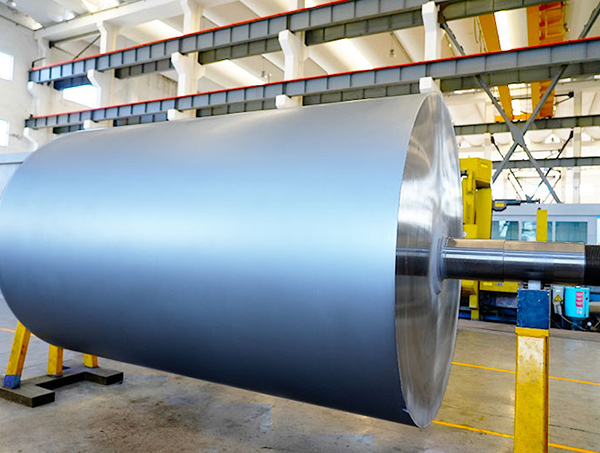
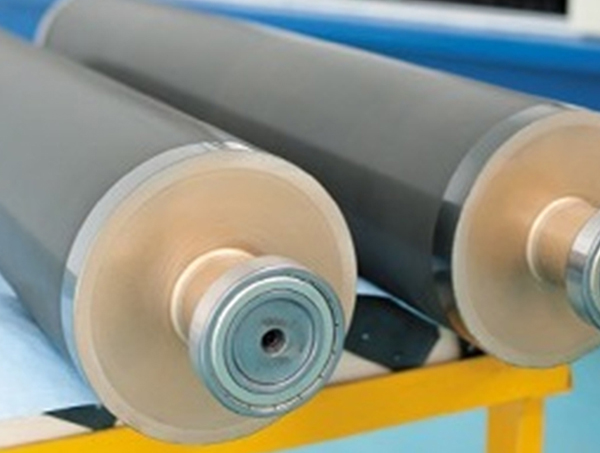
Dedicated to developing and manufacturing various shapes of rolls with different roll structures.
Phone: +86-15371769898
Email: [email protected]
Add: 9 Lifa Avenue, Chengdong Town, Haian County, Nantong City, Jiangsu Province, China
Copyright© 2025 Jiangsu Jinhang Machinery Manufacturing Co., Ltd. All Rights Reserved.
 Custom Thin Walled Roller Manufacturers


 English
 русский
 Deutsch