+86-15371769898
 [email protected]
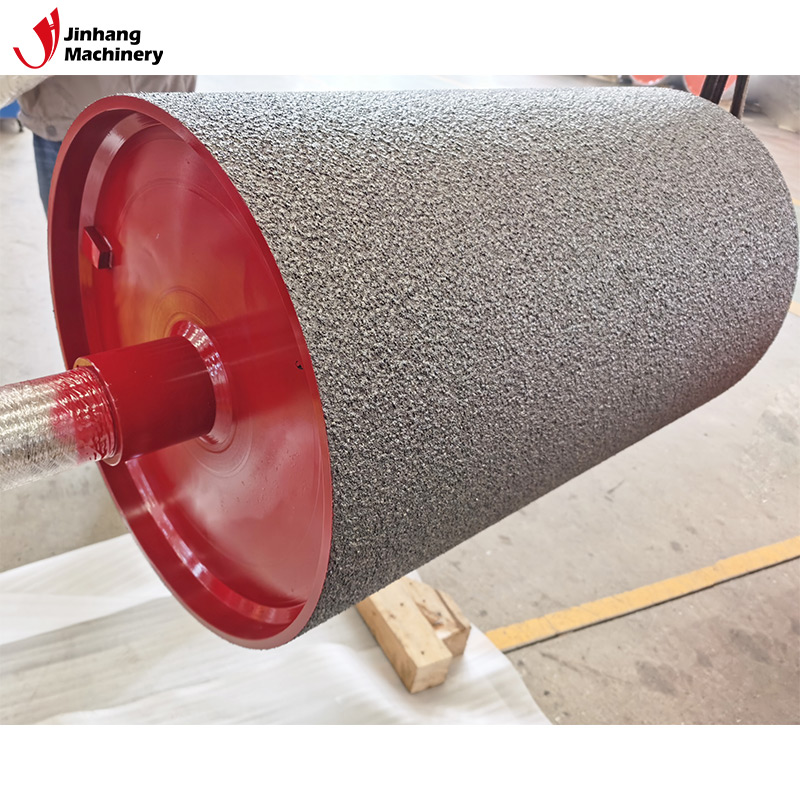
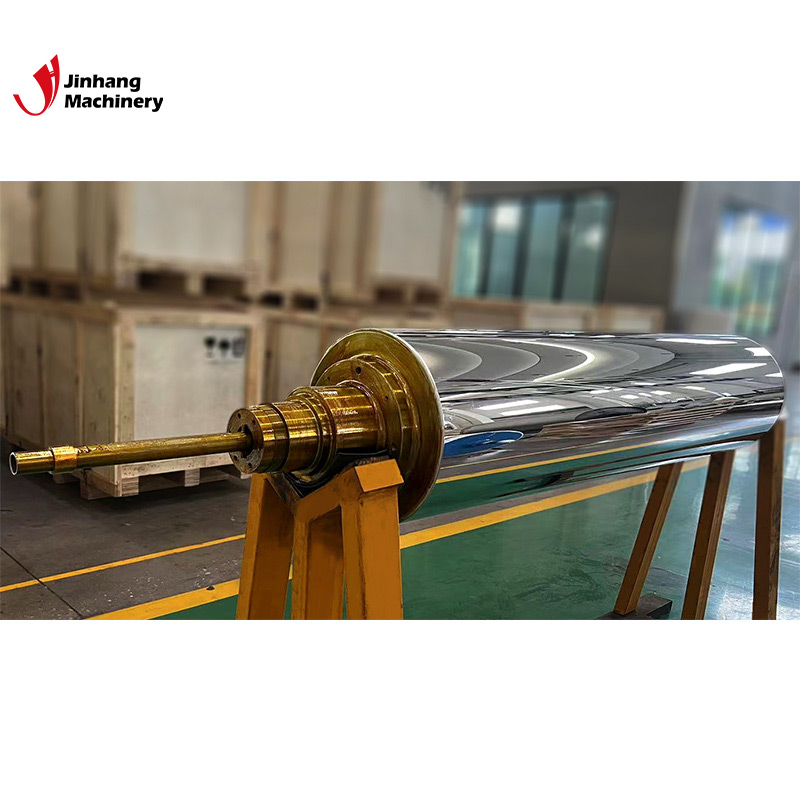
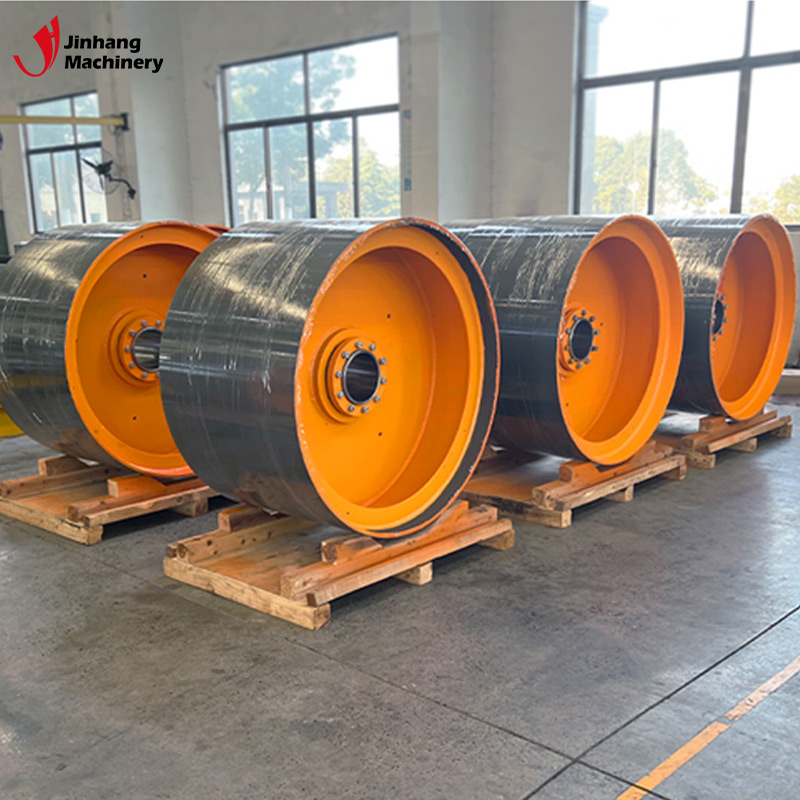
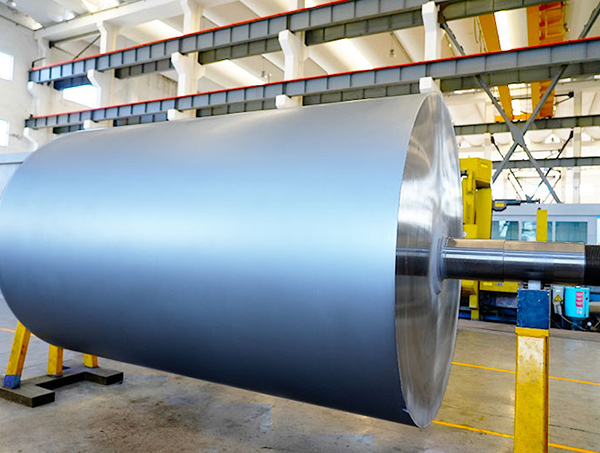
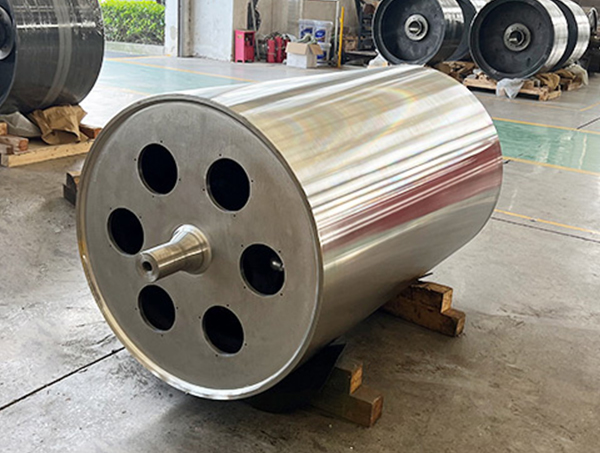
+86-15371769898[email protected]Carbon steel rollers are fundamental components in many industrial applications, including conveyor systems, rolling mills, printing machinery, and material handling equipment. These rollers are favored for their strength, toughness, and wear resistance, which make them suitable for continuous heavy-duty operations. However, despite their robust construction, the actual durability and lifespan of carbon steel rollers can vary widely depending on several critical factors. Understanding these factors allows manufacturers and maintenance teams to optimize roller performance, reduce operational costs, and prevent unplanned downtime.
One of the most important factors influencing roller longevity is material quality and chemical composition. The carbon content in steel significantly affects its hardness, tensile strength, and resistance to wear. Higher carbon content generally improves surface hardness, allowing rollers to endure heavy loads without significant deformation. However, excessively high carbon levels can increase brittleness, making rollers susceptible to cracking under sudden impacts or shock loads. Moreover, the heat treatment process—including hardening and tempering—plays a key role in defining the internal structure and wear resistance of the roller. Properly heat-treated rollers are less prone to fatigue, surface pitting, or distortion, ensuring consistent performance over time. Poor heat treatment can result in premature wear, cracking, and reduced service life.
Another critical factor affecting the lifespan of carbon steel rollers is the operating environment. Rollers that operate in conditions with high humidity, corrosive chemicals, or abrasive particles will experience faster surface degradation. Similarly, excessive load, improper alignment, or uneven weight distribution can generate localized stress points that accelerate wear or even cause structural damage. Maintenance routines, including lubrication, cleaning, and inspection, are crucial to mitigate these risks and maximize service life.
| Factor | Impact on Durability | Recommended Action |
|---|---|---|
| Material Quality | Determines hardness and wear resistance | Use high-quality carbon steel with optimal carbon content |
| Heat Treatment | Enhances fatigue and deformation resistance | Ensure proper hardening and tempering processes |
| Operating Load | High stress can cause surface wear or cracking | Avoid overloading; distribute weight evenly |
| Environmental Conditions | Exposure to moisture or chemicals leads to corrosion | Use protective coatings; control operating environment |
| Maintenance Practices | Affects friction, alignment, and wear | Conduct regular inspection, cleaning, and lubrication |
In addition to these factors, the maintenance routine itself can make or break the longevity of carbon steel rollers. Consistent lubrication reduces friction between the roller and the material it handles, preventing overheating and surface abrasion. Alignment checks ensure that rollers rotate smoothly and evenly, minimizing stress on bearings and shafts. Protective coatings, such as chrome plating or anti-corrosive paints, can further enhance durability, especially in corrosive or wet environments. Frequency of use is also a key consideration; rollers under continuous high-speed or heavy-load operations may require specialized alloy steel or surface treatments to extend service life. Ultimately, a combination of high-quality material selection, proper heat treatment, environmental protection, and diligent maintenance will maximize roller performance and lifespan.
Q1: How often should carbon steel rollers be inspected?
A1: Rollers should typically be inspected every 3–6 months for wear, alignment, and lubrication status. High-load or high-speed operations may require more frequent inspections.
Q2: Can surface coatings extend the lifespan of a carbon steel roller?
A2: Yes. Coatings such as chrome plating or anti-corrosive paint protect against rust, chemical damage, and surface wear, significantly extending service life.
Q3: How does load affect roller durability?
A3: Excessive load can cause surface deformation, uneven wear, and internal stress fractures. Proper weight distribution is critical to prevent premature failure.
Q4: What is the difference between forged and cast carbon steel rollers?
A4: Forged rollers are denser and stronger, making them more resistant to cracking under impact. Cast rollers are less expensive but may be more brittle and wear faster under heavy use.
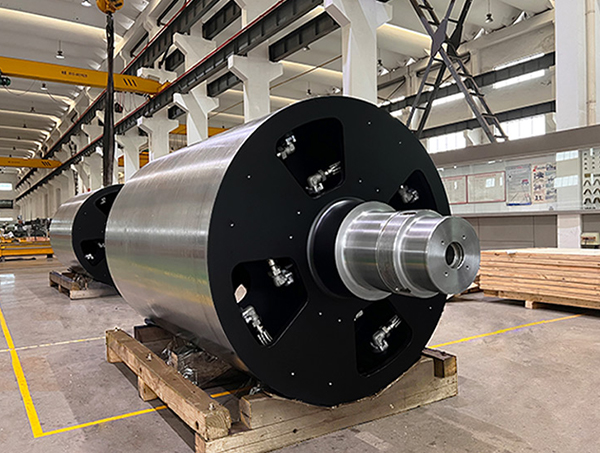
Dedicated to developing and manufacturing various shapes of rolls with different roll structures.
Phone: +86-15371769898
Email: [email protected]
Add: 9 Lifa Avenue, Chengdong Town, Haian County, Nantong City, Jiangsu Province, China
Copyright© 2025 Jiangsu Jinhang Machinery Manufacturing Co., Ltd. All Rights Reserved.
 Custom Thin Walled Roller Manufacturers


 English
 русский
 Deutsch