+86-15371769898
 [email protected]
+86-15371769898[email protected]Hard alloy coated rollers are an essential part of many industrial operations, offering significant advantages in terms of durability, wear resistance, and efficiency. These rollers, often coated with materials like tungsten carbide, chromium, or cobalt, are designed to endure harsh conditions, extreme pressures, and high temperatures. Various industries benefit from the unique properties of hard alloy coated rollers, which help improve the performance of machinery and equipment.
The metal processing industry involves intense rolling operations in which steel and other metals are subjected to high pressure and high temperatures. Hard alloy coated rollers are specifically designed to handle these challenging conditions. For instance, in rolling mills, rollers are exposed to extreme friction, heat, and metal abrasions. The alloy coatings act as a barrier against the metal’s abrasiveness, reducing wear and tear on the rollers.
Moreover, the longevity of these rollers ensures that metal manufacturing operations can continue smoothly, reducing costly downtime due to frequent roller replacements. This longevity is crucial for manufacturers that operate on tight production schedules and need to minimize delays.
Advantages of Hard Alloy Coated Rollers in Metal Processing
| Benefit | Description |
|---|---|
| Increased Durability | Hard alloy coatings improve the roller’s life expectancy. |
| Heat Resistance | Can withstand high temperatures without losing efficiency. |
| Abrasion Resistance | Protects against wear from metal abrasions during rolling. |
| Reduced Downtime | Less frequent maintenance and replacement. |
The hard alloy coatings provide an additional layer of protection against wear caused by the high-speed metal passing through, ensuring that the rollers maintain a high level of performance.
The paper industry involves processes like pulping, drying, and pressing, all of which use rollers that are subjected to high levels of friction, moisture, and chemical exposure. Hard alloy coated rollers in this industry help reduce the constant wear and tear that would otherwise lead to frequent replacements. For instance, the rollers used in paper machines need to withstand the abrasiveness of fibers, along with the high-pressure conditions during paper production.
Additionally, the moisture present in the paper-making process can lead to rust and corrosion over time. Hard alloy coatings, however, are highly resistant to rust and corrosion, ensuring that the rollers remain functional and reliable over the long term. This, in turn, leads to fewer production interruptions and lower maintenance costs.
In the textile industry, rollers are used in processes like spinning, weaving, and printing. These rollers face high friction and often come into contact with chemicals, dyes, and other substances. Hard alloy coated rollers excel in this environment due to their superior wear resistance and ability to withstand chemical exposure. Whether it’s for dyeing, finishing, or calendering processes, these rollers ensure smoother operations, better product quality, and fewer breakdowns.
The longevity of hard alloy coated rollers reduces maintenance costs and downtime in textile manufacturing. By having rollers that can handle abrasive materials and chemicals for extended periods, manufacturers can avoid frequent equipment replacements and reduce overall operational costs. This is particularly beneficial for textile plants that operate continuously, where downtime for maintenance can lead to significant financial losses.
Key Benefits of Hard Alloy Coated Rollers in Textile Manufacturing
| Benefit | Description |
|---|---|
| Chemical Resistance | Protects against dyes and chemicals commonly used in textiles. |
| Extended Roller Life | Hard alloy coatings increase the lifespan of rollers. |
| Reduced Maintenance | Fewer replacements and maintenance due to durability. |
| Enhanced Efficiency | Minimizes interruptions, improving the overall production rate. |
The coating not only protects the rollers from wear but also enhances the product quality, as smoother rollers ensure more consistent production.
In industries that manufacture plastic and rubber products, rollers are frequently used in processes like extrusion and calendaring. These processes generate high friction, and the materials involved can be abrasive. Hard alloy coated rollers are ideal in these environments because they are highly resistant to both abrasion and high temperatures, both of which are prevalent in the plastic and rubber manufacturing process.
Hard alloy coatings also protect against corrosion, which is important in rubber and plastic manufacturing, where chemicals are often used. These rollers ensure that the production process remains efficient, with minimal interruptions. For instance, in the extrusion process, where plastic is melted and shaped, the rollers need to maintain consistent performance to ensure uniformity in the product. Hard alloy coatings help achieve this goal by providing a durable surface that resists deformation over time.
Hard Alloy Coated Rollers in Plastic & Rubber Manufacturing
| Benefit | Description |
|---|---|
| Temperature Resistance | Protects rollers from heat generated in extrusion processes. |
| Abrasion Resistance | Reduces wear and tear from abrasive materials in rubber. |
| Corrosion Resistance | Shields against the chemicals used in plastic manufacturing. |
| Improved Efficiency | Enhances the consistency of the final product. |
The ability of hard alloy coated rollers to resist deformation and wear ensures that the plastic and rubber products are of high quality and that the production process remains as efficient as possible.
The printing industry uses rollers for various printing techniques, such as offset printing, gravure, and flexographic printing. These rollers come into direct contact with ink and paper, and over time, the rollers can degrade due to the abrasive nature of inks and the pressure involved in printing. Hard alloy coated rollers are an excellent choice for this industry because they resist ink buildup, smearing, and wear.
Moreover, the rollers are often exposed to high temperatures and solvents, making the hard alloy coating even more valuable. With these rollers, printing operations can run smoothly for longer periods, reducing downtime for maintenance and improving print quality.
Q: What are hard alloy coated rollers made of?
A: Hard alloy coated rollers are typically coated with materials like tungsten carbide, cobalt, or chromium to improve their wear resistance, heat resistance, and corrosion resistance.
Q: How long do hard alloy coated rollers last?
A: The lifespan of these rollers varies depending on the operating conditions. However, because of their durability and resistance to wear, they generally last much longer than traditional rollers, reducing the frequency of replacements.
Q: Are hard alloy coated rollers expensive?
A: Yes, they tend to be more expensive than regular rollers due to the specialized materials and coatings. However, their extended lifespan and reduced maintenance costs often make them a cost-effective solution in the long run.
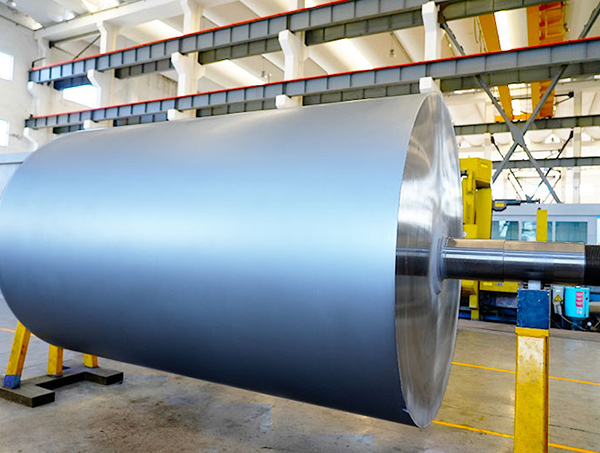
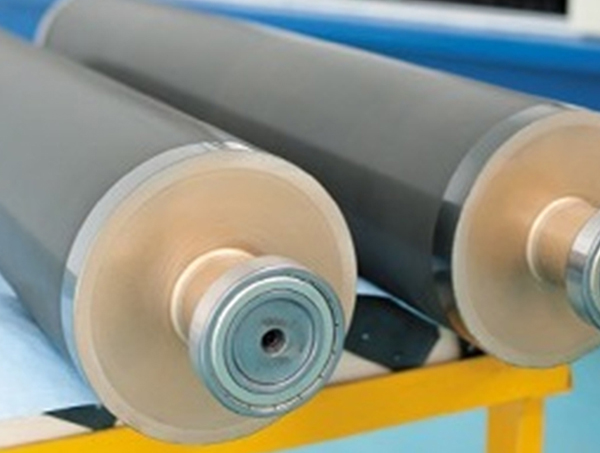
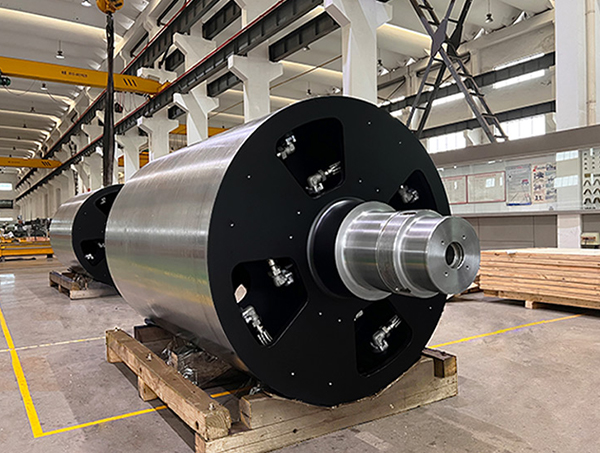
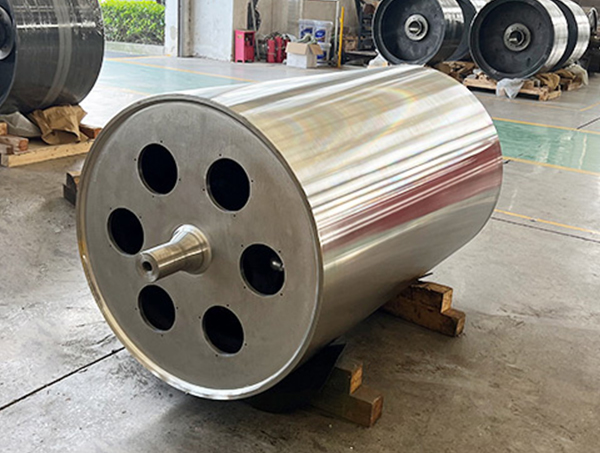
Dedicated to developing and manufacturing various shapes of rolls with different roll structures.
Phone: +86-15371769898
Email: [email protected]
Add: 9 Lifa Avenue, Chengdong Town, Haian County, Nantong City, Jiangsu Province, China
Copyright© 2025 Jiangsu Jinhang Machinery Manufacturing Co., Ltd. All Rights Reserved.
 Custom Thin Walled Roller Manufacturers


 English
 русский
 Deutsch