+86-15371769898
 [email protected]
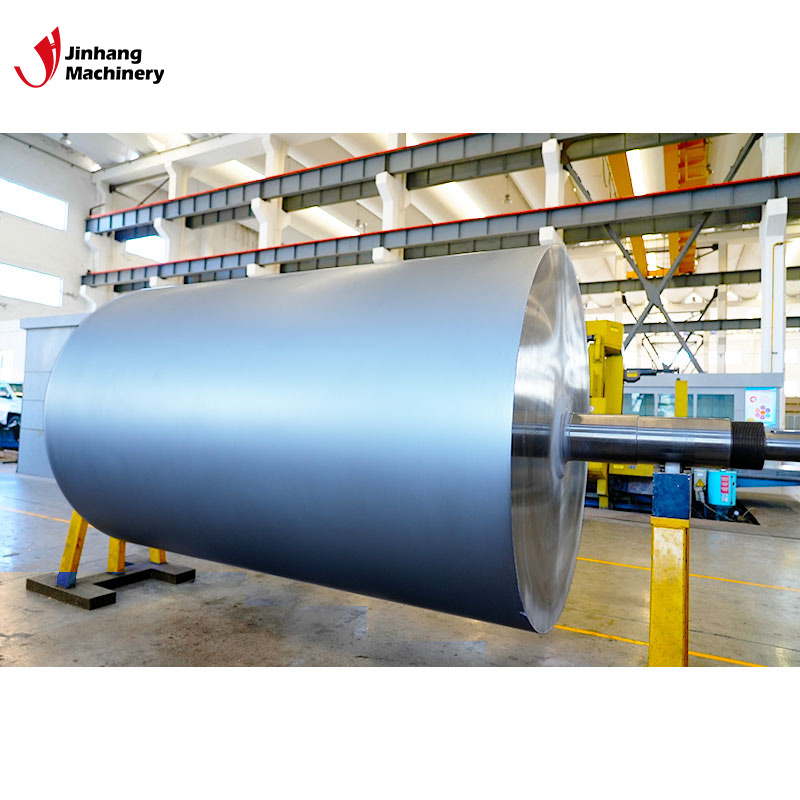
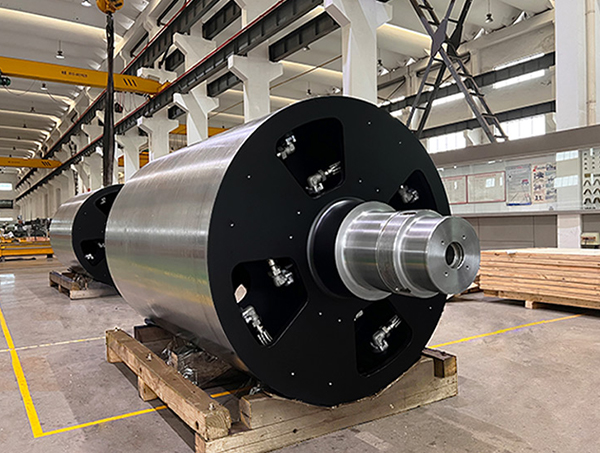
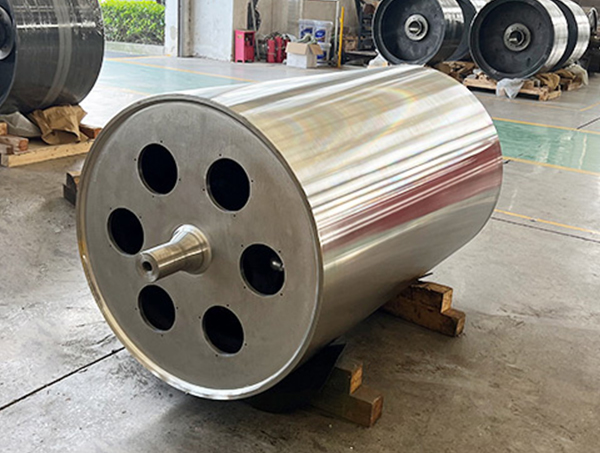
+86-15371769898[email protected]In the continuous quenching lines of modern steel production, the Water Quenching Roller serves as the physical backbone, carrying red-hot steel plates or profiles. Its working environment is among the most grueling in the industrial world. The roller body must not only support mechanical loads of several tons but also maintain a dynamic equilibrium between extreme surface temperatures (exceeding 900°C) and high-pressure internal water cooling.
This extreme temperature gradient places nearly impossible demands on the physical and chemical properties of the material. Incorrect material selection leads to premature “fire cracking” on the roller surface and can cause the roller body to bow or deform. This, in turn, directly affects the flatness and performance metrics of the final steel product. Therefore, understanding the metallurgical logic behind material selection is the core of ensuring long-term stable production line operation.
The essence of the quenching process is rapid cooling, and the Water Quenching Roller is the primary vehicle for this process. When red-hot steel passes over the roller, the contact area heats up instantly; as the roller rotates, that same area is rapidly cooled by spray water or internal circulation. This relentless thermal cycling is the leading cause of roller failure.
Thermal fatigue manifests as a network of fine cracks on the roller surface, commonly referred to in the industry as “fire cracking.” This phenomenon stems from the non-uniform expansion and contraction of the material’s surface layer under drastic temperature differences. When these cyclic stresses exceed the material’s elastic limit, microscopic cracks initiate and propagate inward.
To meet this challenge, high-performance Water Quenching Rollers typically utilize high-chromium cast iron or specialized nickel-based alloys. By adding Chromium (Cr) and Nickel (Ni) to the matrix, the material’s oxidation resistance and thermal shock resistance are significantly improved. Superior alloy selection ensures that the roller maintains a low coefficient of thermal expansion during frequent heating and cooling cycles, thereby slowing crack formation and extending maintenance intervals.
In high-load, high-temperature environments, metallic materials undergo a slow but irreversible plastic deformation known as Creep. For quenching rollers that require extremely high alignment and concentricity, this deformation is fatal.
A qualified Water Quenching Roller must possess excellent “red hardness”—the ability to maintain sufficient strength even when glowing red. If the material’s yield strength drops sharply as temperature rises, the roller will undergo “creep deflection” under heavy loads, leading to vibration during transport. This not only damages the roller itself but also causes indentations or uneven cooling on the steel plate surface.
In metallurgical formulations, the addition of Molybdenum (Mo) effectively increases the recrystallization temperature of the steel, enhancing its creep resistance. Vanadium (V) refines the grain structure and improves the overall toughness of the material. This specific chemical design allows industrial-grade quenching rollers to maintain their perfect geometric shape even under extreme pressure, ensuring consistent quality in downstream products.
The quenching environment is often saturated with high-temperature steam and various chemical additives, making the corrosion and oxidation resistance of the Water Quenching Roller just as critical as its thermal strength.
At high temperatures, metal surfaces react easily with oxygen to form scale. If the roller material has poor oxidation resistance, the resulting scale can flake off and stick to the hot steel plate, causing pits or scratches. Alloys with high chromium content form a dense, protective passivation layer on the roller surface, effectively blocking further oxygen penetration and ensuring the steel plate surface remains as smooth as a mirror.
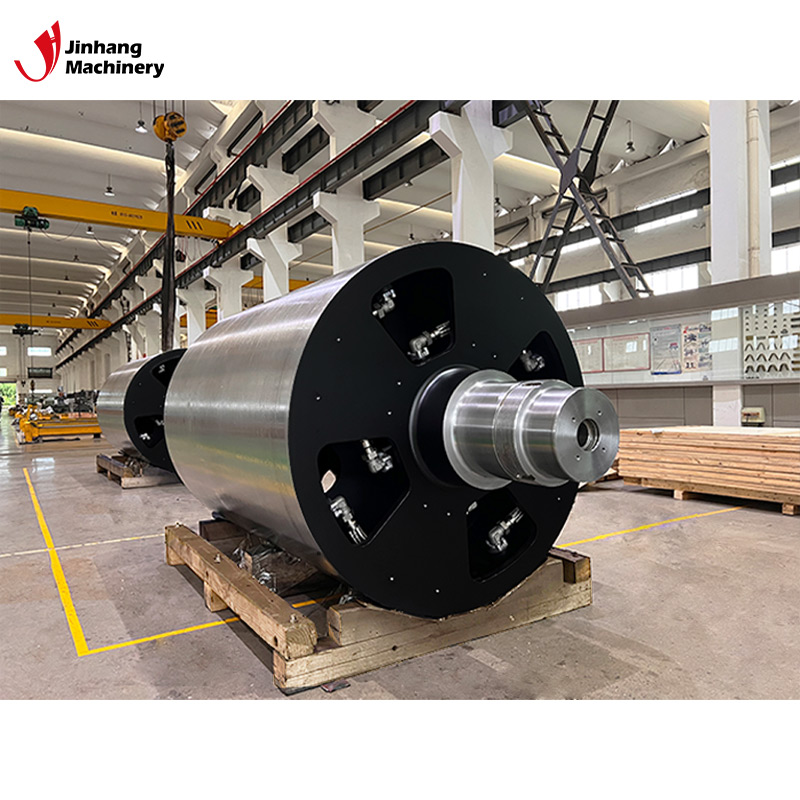
Modern quenching rollers often feature internal spiral cooling channel designs for uniform heat removal. However, circulating cooling water may contain ions that can lead to internal pitting corrosion over time. Selecting materials with excellent pitting resistance (such as 310S stainless steel or specialized centrifugal casting alloys) prevents cooling water from penetrating the wall and entering the production line, avoiding unplanned downtime caused by leaks.
To assist procurement managers and technical staff in material evaluation, the following table compares the characteristics of mainstream materials used for Water Quenching Rollers:
| Material Grade | Thermal Fatigue Resistance | Creep Resistance | Oxidation/Corrosion Resistance | Typical Application |
|---|---|---|---|---|
| High-Cr Cast Iron | Moderate | Excellent | Excellent | Heavy plate hot-rolling |
| 310S Stainless Steel | Excellent | Moderate | Excellent | General heat treatment |
| Centrifugal Cast Alloy | Excellent | Excellent | Excellent | High-speed, high-precision lines |
| 40Cr Alloy Steel | Moderate | Moderate | Moderate | Low-temperature zone transport |
| Nickel/Cobalt Alloys | Exceptional | Exceptional | Exceptional | Aerospace/Specialty steel |
Beyond base material selection, surface treatment technology is a key variable in increasing the Return on Investment (ROI) for Water Quenching Rollers.
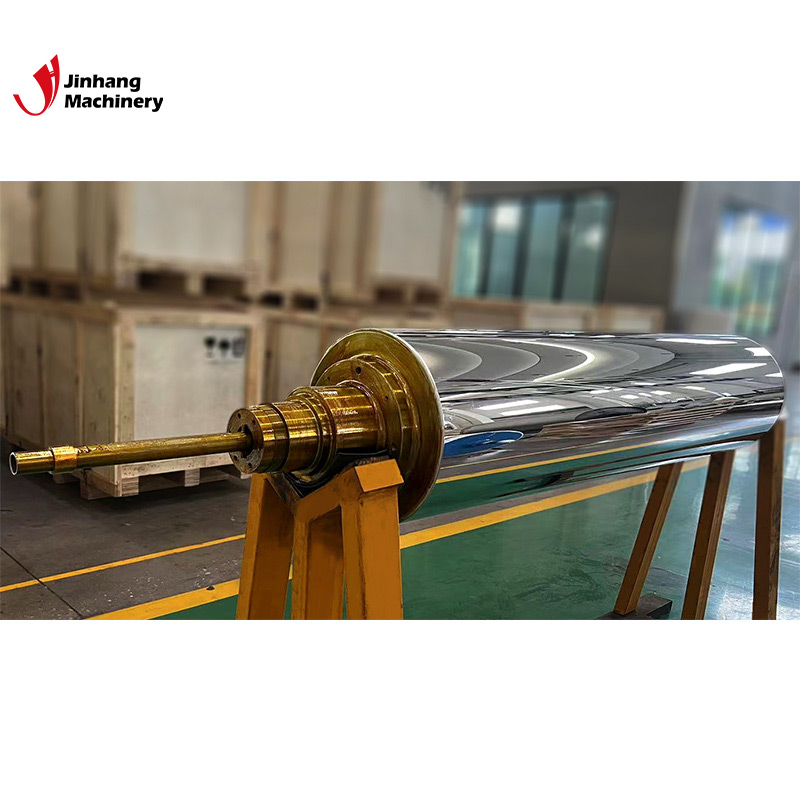
Using High-Velocity Oxy-Fuel (HVOF) spraying technology, a thin but extremely hard layer of tungsten carbide or chrome alloy can be applied to the roller surface. This “armor” not only increases wear resistance several-fold but also prevents “metal pickup.” When processing sensitive steel grades, this technology significantly reduces the defect rate caused by metal sticking.
The machinability of the material also impacts performance. Premium materials allow engineers to design more complex internal flow paths, thereby eliminating “hot spots” caused by heat accumulation. A uniform temperature field significantly reduces thermal stress, and when paired with the correct material, it can increase the overall service life of the roller by more than 50%.
Q1: How can I tell if my water quenching roller needs replacement?
A: Look for deep propagation of “fire cracking” on the surface, measure if the radial run-out of the roller body exceeds limits, and check if the outlet temperature of the internal cooling water is abnormally high.
Q2: Why is Centrifugal Casting better than static casting for quenching rollers?
A: Centrifugal casting uses centrifugal force to eliminate porosity and slag, resulting in a much finer and more uniform grain structure, which leads to superior thermal shock resistance at high temperatures.
Q3: Will insufficient cooling water flow immediately damage the roller?
A: Yes. Even with top-tier nickel-based alloys, surface temperatures will spiral out of control without internal cooling, leading to irreversible microstructural embrittlement or severe deformation.
Dedicated to developing and manufacturing various shapes of rolls with different roll structures.
Phone: +86-15371769898
Email: [email protected]
Add: 9 Lifa Avenue, Chengdong Town, Haian County, Nantong City, Jiangsu Province, China
Copyright© 2025 Jiangsu Jinhang Machinery Manufacturing Co., Ltd. All Rights Reserved.
 Custom Thin Walled Roller Manufacturers


 English
 русский
 Deutsch