+86-15371769898
 [email protected]
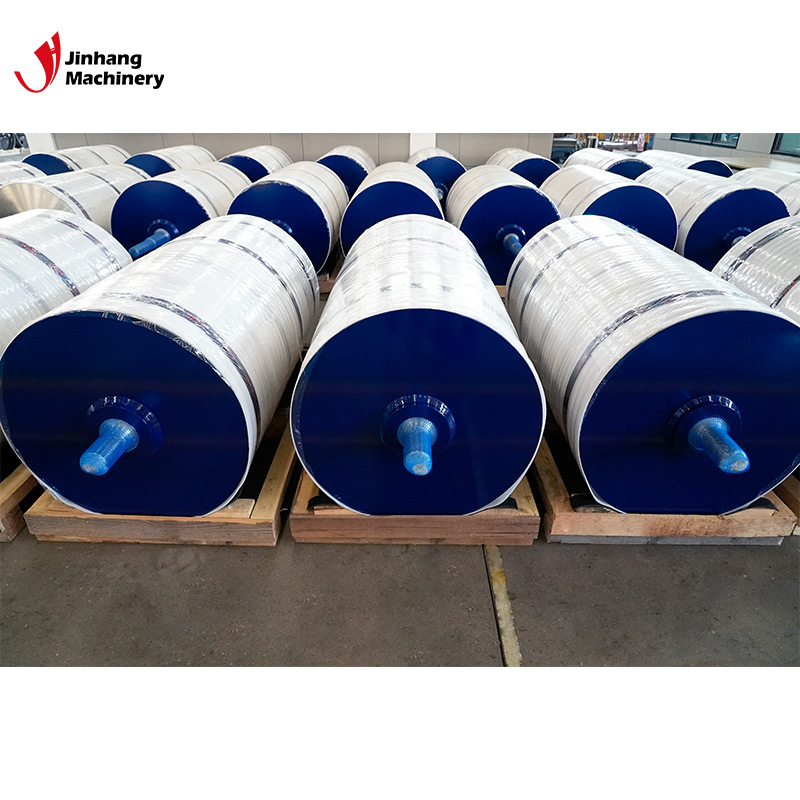
+86-15371769898[email protected]In industries such as metal rolling, wire drawing, paper production, and heavy material processing, rollers are essential components that bear extreme mechanical loads. Traditional rollers made from steel or basic alloy materials often face challenges like rapid wear, surface damage, and reduced operational efficiency under high-load conditions.
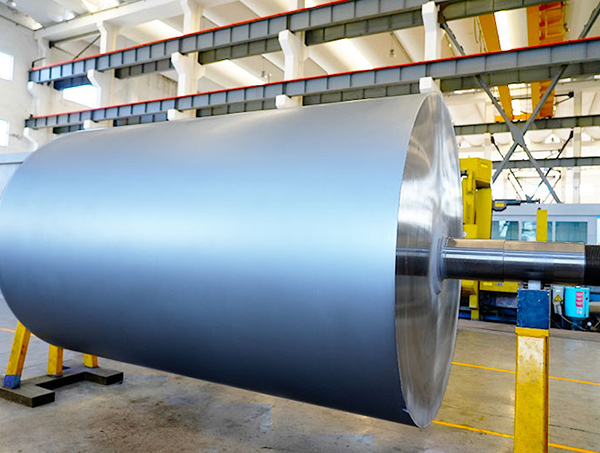
Hard alloy coated rollers have emerged as a preferred solution due to their exceptional wear resistance, high hardness, and durability. By applying a hard alloy coating to the roller surface, manufacturers significantly extend service life, maintain surface precision, and improve process reliability even in the harshest operating conditions.
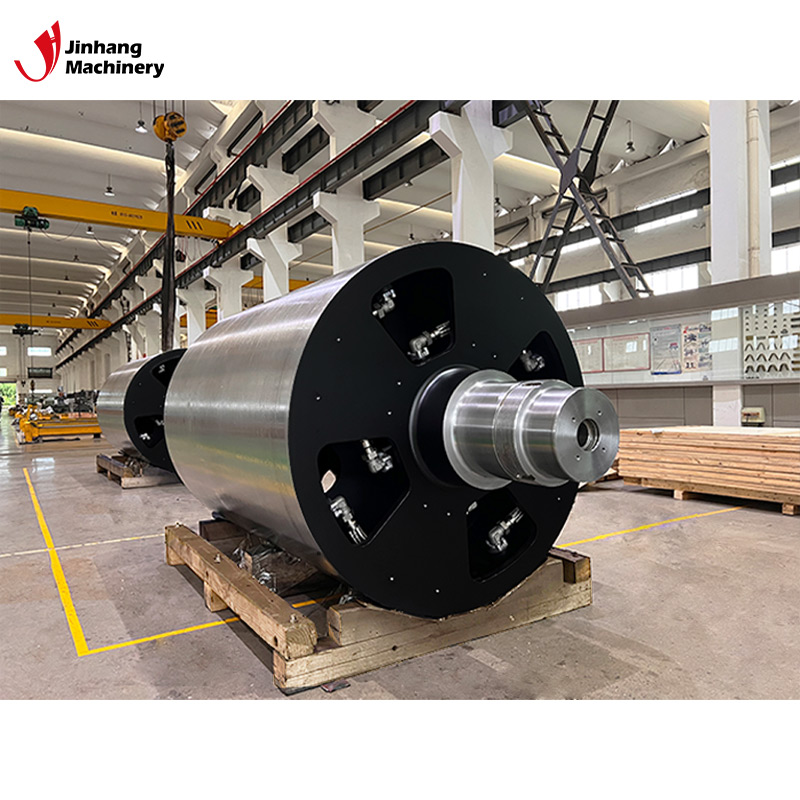
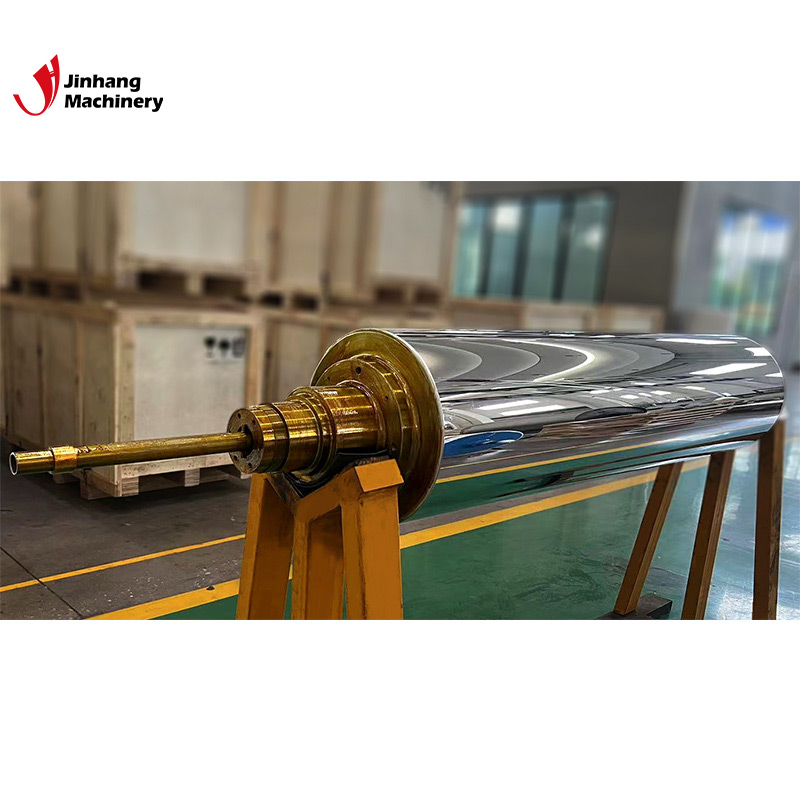
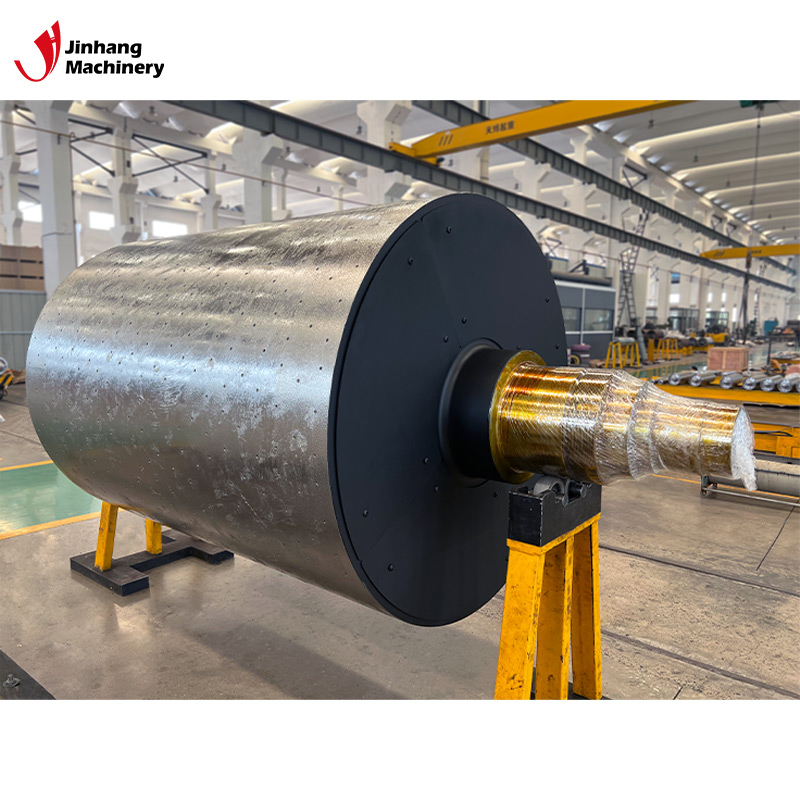
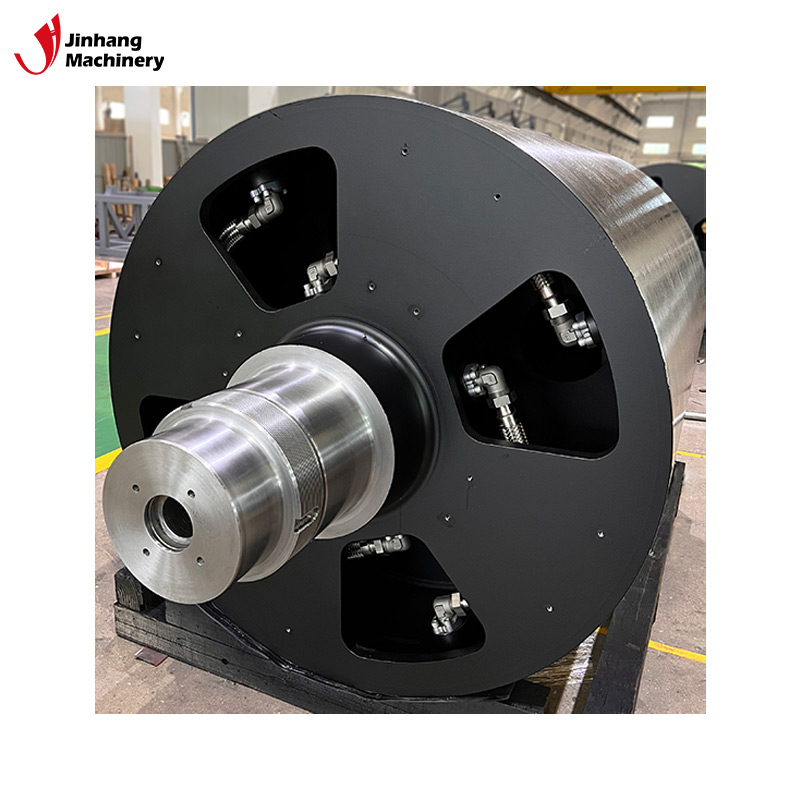
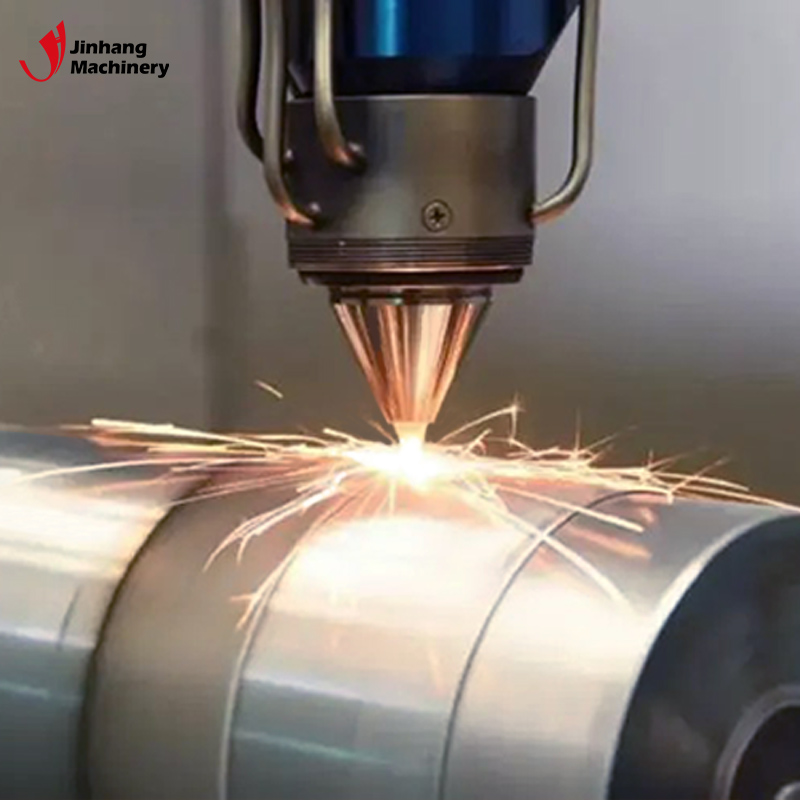
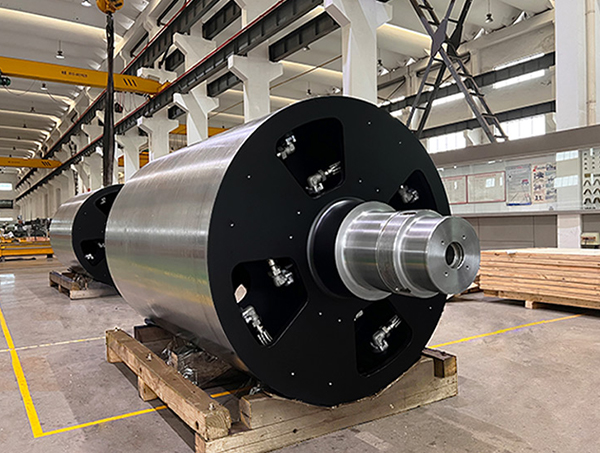
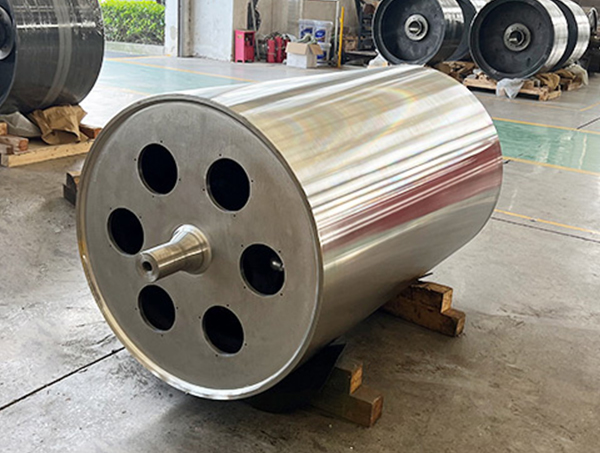
A hard alloy coated roller is a roller component whose surface has been treated with a layer of hard alloy material, such as tungsten carbide (WC), chromium carbide (CrC), or cobalt-based alloys. This coating is typically applied using advanced methods such as thermal spraying, laser cladding, or plasma deposition.
Key features include:
These features make hard alloy coated rollers ideal for high-load industrial applications, where conventional rollers would quickly fail or require frequent maintenance.
Under high-load conditions, conventional rollers often experience surface flattening, pitting, and micro-cracking, leading to reduced lifespan and poor product quality. Hard alloy coatings improve load-bearing performance in several ways:
As a result, hard alloy coated rollers maintain operational stability and dimensional accuracy, which is critical in high-load industrial applications.
Wear and abrasion are the primary causes of roller failure in high-load processes. Factors like sliding friction, high contact pressure, and particulate contamination accelerate wear. Hard alloy coated rollers address these challenges through:
This ensures longer intervals between maintenance, reduced downtime, and more consistent production quality compared to conventional rollers.
| Feature | Conventional Roller | Hard Alloy Coated Roller |
|---|---|---|
| Surface Hardness | 30–50 HRC | 60–70 HRC (or higher) |
| Wear Resistance | Moderate | Excellent |
| Load Capacity | Limited under extreme pressure | High, maintains surface precision |
| Corrosion Resistance | Low | High (with appropriate alloy coating) |
| Maintenance Frequency | High | Low, longer service life |
| Operational Stability | Can deform or pit under high load | Maintains uniform shape and performance |
This comparison highlights why hard alloy coated rollers are preferred in high-load, high-speed, and abrasive industrial applications.
Hard alloy coated rollers are widely used across industries requiring high-load performance:
In each case, the hard alloy coating significantly reduces downtime, improves product quality, and lowers overall maintenance costs.
Although hard alloy coated rollers are more expensive upfront, their longer lifespan and reduced maintenance requirements make them cost-effective. Key benefits include:
By extending operational intervals and reducing maintenance, these rollers increase overall industrial efficiency and ROI.
Q1: Are hard alloy coated rollers suitable for all industrial applications?
They are ideal for high-load, high-wear environments but may not be necessary for low-load or non-abrasive processes.
Q2: How long do hard alloy coated rollers typically last compared to conventional rollers?
Depending on the application, they can last 2–5 times longer due to superior wear resistance.
Q3: Can the coatings be repaired or reapplied?
Yes, coatings can often be refurbished using thermal spraying or laser cladding, extending roller life further.
Q4: Do hard alloy coated rollers require special handling?
Yes, care must be taken to avoid chipping or damaging the hard coating during installation or transport.
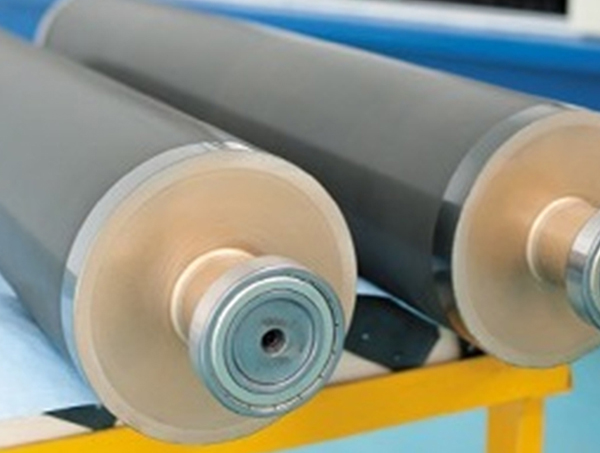
Dedicated to developing and manufacturing various shapes of rolls with different roll structures.
Phone: +86-15371769898
Email: [email protected]
Add: 9 Lifa Avenue, Chengdong Town, Haian County, Nantong City, Jiangsu Province, China
Copyright© 2025 Jiangsu Jinhang Machinery Manufacturing Co., Ltd. All Rights Reserved.
 Custom Thin Walled Roller Manufacturers


 English
 русский
 Deutsch