+86-15371769898
 [email protected]
+86-15371769898[email protected]Carbon steel rollers are widely used in industrial production, from paper and printing to steel processing. Because carbon steel is prone to wear and corrosion, proper maintenance is essential to significantly extend their service life and improve production efficiency.
If carbon steel rollers accumulate dust, grease, or metal debris, it accelerates wear and can even cause surface corrosion. To ensure smooth operation, regular cleaning is necessary. Clean the roller surface with a soft cloth, brush, or low-pressure air. For heavily greased rollers, industrial solvents can be used, but strong acids or alkalis should be avoided to prevent surface damage.
In addition to cleaning the roller itself, it is important to clean bearings, supports, and surrounding equipment, as contamination in these areas can also affect the roller’s lifespan. In industrial settings, it is recommended to perform a quick cleaning before daily operation and a thorough cleaning weekly to keep the roller and bearings in optimal condition.
Carbon steel rollers are susceptible to oxidation from moisture and chemical exposure. Rust prevention is therefore critical to extending their lifespan. When the roller is idle or not in use, apply a layer of rust-preventive oil to form a protective film. In humid or highly corrosive environments, protective coatings or films are recommended.
Storage conditions also matter. Avoid placing rollers directly on damp floors, and use elevated pallets with good ventilation. For long-term storage, check the protective coating regularly and reapply rust-preventive measures as needed.
Lubrication is a core aspect of maintaining carbon steel rollers. Friction generated during high-speed operation can cause bearing wear and surface damage if lubrication is insufficient. Lubricating oil or grease forms a protective layer between the roller and the bearing, reducing friction and heat buildup.
Lubrication frequency should be determined based on equipment usage and environmental conditions. For example, in high-temperature or dusty industrial environments, lubrication intervals should be shortened, with weekly or per-shift lubrication checks recommended. Avoid over-lubrication, as excessive grease can contaminate materials or cause splattering.
| Maintenance Item | Recommended Frequency | Key Notes | Tools/Materials |
|---|---|---|---|
| Cleaning | Daily quick, weekly deep | Avoid strong acids/alkalis; clean bearing areas | Soft cloth, brush, low-pressure air, solvent |
| Rust Prevention | When idle or monthly | Reapply oil in humid environments | Rust-preventive oil, protective film |
| Lubrication | Weekly or per shift | Avoid over-lubrication; ensure smooth bearing rotation | Industrial oil or grease |
| Inspection | Monthly or quarterly | Check for wear, cracks, and loose bearings | Visual inspection, measuring tools |
Carbon steel rollers are designed for specific load limits. Exceeding these limits can cause bending or bearing damage. In production, always adhere to the equipment’s specifications for material weight and keep operating speed within allowed ranges. Avoid sudden increases in pressure or frequent start-stop operations, as these create shock loads that accelerate wear.
Operators should be trained in proper loading and operating procedures to ensure the roller works within safe limits. Installing sensors to monitor real-time load can further prevent overloading-related failures.
Even with proper maintenance, carbon steel rollers can experience wear or minor deformation over time. Regular inspections help identify issues before they escalate into equipment downtime or production accidents. Key inspection points include checking the roller surface for pits, cracks, or uneven wear, as well as monitoring bearings for looseness or unusual heat.
If issues are found, perform adjustments or replace damaged parts promptly. For example, worn roller surfaces can be ground or hardened, and loose bearings should be replaced to maintain smooth operation.
The lifespan of carbon steel rollers is closely related to the surrounding environment. High humidity, acidic or alkaline conditions, and salt exposure accelerate corrosion. Maintain good ventilation in the production area and, if necessary, use dehumidifiers. For outdoor or harsh environments, protective covers can prevent rain, dust, or chemicals from contacting the roller directly.
Storage environment is equally important. Avoid direct contact with the floor or humid air by using elevated pallets and moisture-resistant packaging. Periodically check the protective coating and roller surface during prolonged storage.
For high-load or high-friction applications, basic maintenance alone may not meet service life requirements. Surface hardening and upgrades can enhance roller performance. Methods such as carburizing, quenching, or applying wear-resistant coatings can significantly increase roller hardness and wear resistance.
For corrosive environments, chromium plating or other anti-corrosion coatings can improve durability. Although these treatments increase upfront costs, they reduce maintenance frequency and downtime in the long term, providing higher cost-effectiveness overall.
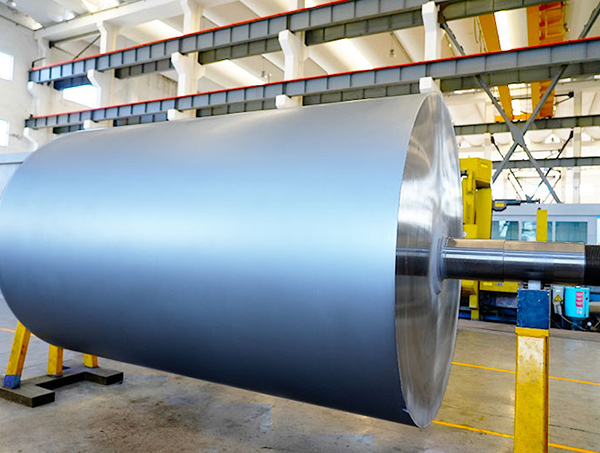
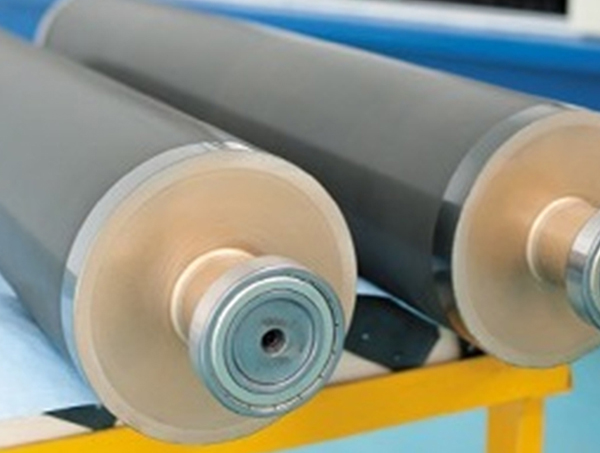
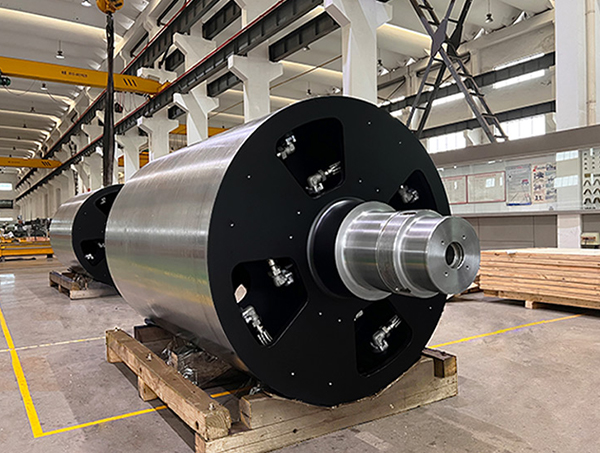
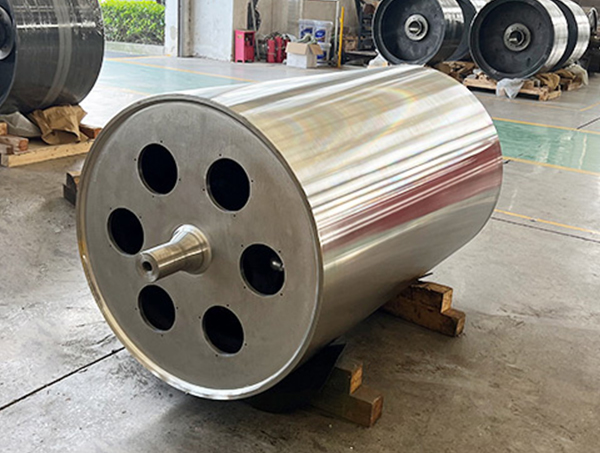
Dedicated to developing and manufacturing various shapes of rolls with different roll structures.
Phone: +86-15371769898
Email: [email protected]
Add: 9 Lifa Avenue, Chengdong Town, Haian County, Nantong City, Jiangsu Province, China
Copyright© 2025 Jiangsu Jinhang Machinery Manufacturing Co., Ltd. All Rights Reserved.
 Custom Thin Walled Roller Manufacturers


 English
 русский
 Deutsch