+86-15371769898
 [email protected]
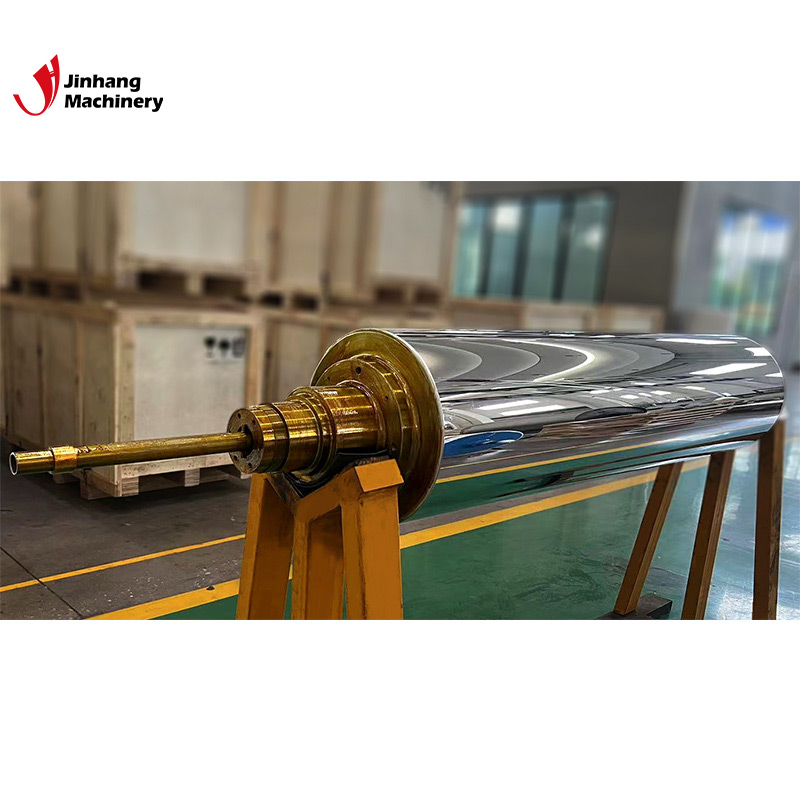
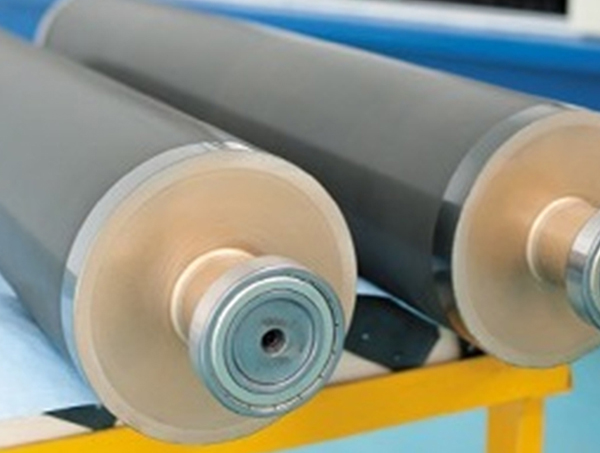
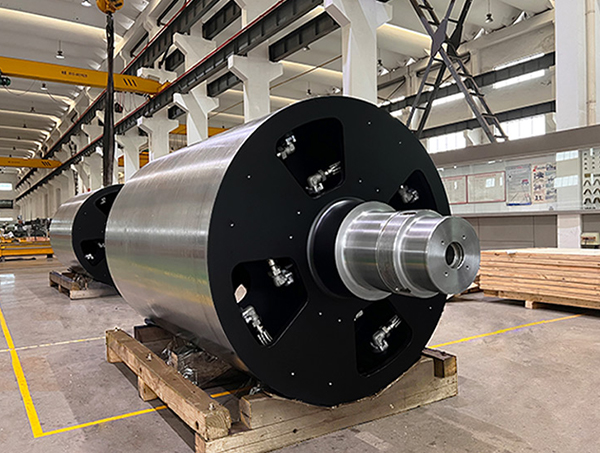
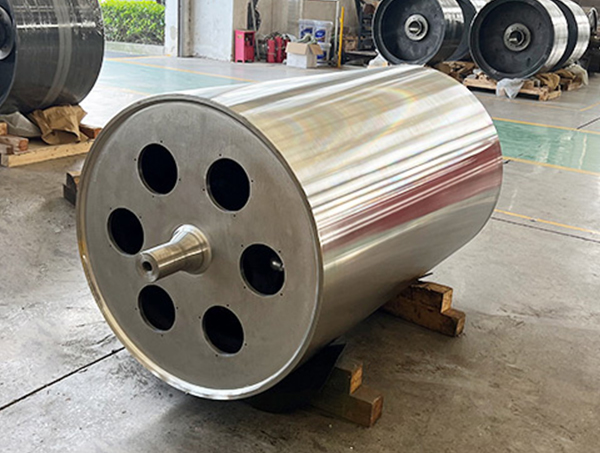
+86-15371769898[email protected]A mirror surface roller is a precision-engineered industrial roller with a surface finish so smooth that it reflects light almost like a mirror — typically achieving a surface roughness (Ra) of 0.1 micron or lower. These rollers are used primarily to transfer their ultra-smooth finish onto materials such as plastic film, laminate, steel sheet, leather, and coated paper during calendering, embossing, or casting processes. In short: if a product needs a glossy, defect-free, high-clarity surface, a mirror surface roller is the tool that makes it happen.
Unlike standard rollers, which may have visible tool marks or micro-scratches, mirror surface rollers undergo multi-stage polishing (often using diamond paste down to 0.5-micron grit) and sometimes hard chrome plating to lock in the reflective finish. This makes them essential wherever surface aesthetics or optical clarity directly affect product value.
The working principle is straightforward but relies on extreme mechanical precision. A mirror surface roller is typically mounted in a calendering or laminating line, where the target material passes between the roller and a counter-roller (or a heated press bed) under controlled pressure and, in many cases, elevated temperature.
Because the roller surface is transferred directly onto the product, any imperfection on the roller — even at the nanometer scale — will show up on the final product. This is why manufacturing and maintaining these rollers requires specialized grinding, polishing, and quality inspection equipment.
Mirror surface rollers are used across a wide range of industries where surface quality is a critical performance or aesthetic factor.
| Industry | Typical Use Case | Desired Outcome |
|---|---|---|
| Plastics & Film | PVC, PET, and acrylic sheet casting | High-gloss, optically clear film |
| Metal Processing | Cold rolling of stainless steel sheet | Bright annealed, mirror-finish steel |
| Laminate & Furniture | High-pressure laminate (HPL) pressing | Glossy decorative panels |
| Leather & Synthetic Leather | Embossing and glazing rollers | Smooth, patent-leather look |
| Printing & Packaging | Coated paper and foil lamination | Reflective, premium packaging finish |
In the electronics sector, mirror rollers are also used to produce release films and optical films for LCD/OLED display components, where surface uniformity directly affects light transmission and image quality.
Investing in a properly manufactured mirror surface roller delivers measurable advantages across production quality, efficiency, and product value.
With a mirror finish of Ra ≤ 0.1 μm, these rollers virtually eliminate surface defects such as orange peel texture, streaking, or haze — issues that commonly plague standard rollers with Ra values above 0.4 μm.
Glossy, defect-free surfaces are often perceived as premium. In laminate flooring and furniture panels, for example, manufacturers report that mirror-finish products can command 10–20% higher market prices compared to matte or semi-gloss alternatives of similar material composition.
Because the finish quality is built into the process itself, manufacturers avoid costly secondary polishing steps. Some facilities report reducing post-processing labor by 30% or more after switching to precision mirror rollers.
A well-maintained mirror roller produces consistent results across long production runs — often tens of thousands of meters of film or sheet — without noticeable degradation, provided proper cooling and cleaning protocols are followed.
The same fundamental roller design can be adapted — through coating changes (chrome, ceramic, or nickel plating) — to process plastics, metals, rubber, and composite materials, making it a versatile investment for multi-product manufacturing lines.
Not all mirror rollers are built the same. Selecting the right type depends on the material being processed, required durability, and operating temperature.
| Roller Type | Surface Coating | Best For |
|---|---|---|
| Hard Chrome-Plated Roller | Chrome, 0.02–0.05mm thick | Plastic film and general-purpose lines |
| Ceramic-Coated Roller | Chrome oxide ceramic | High-temperature or abrasive materials |
| Stainless Steel Mirror Roller | Polished stainless (uncoated) | Food-grade and corrosion-sensitive uses |
| Nickel-Plated Roller | Electroless nickel | Fine-pattern embossing and release film |
When sourcing a mirror surface roller, several technical parameters directly determine performance and service life.
A mirror surface roller is a precision asset, and proper care significantly extends its usable life — often 5 to 10 years under normal industrial conditions before re-polishing or re-plating is needed.
Neglecting maintenance is one of the most common causes of premature roller failure — a single deep scratch can require costly re-chroming or full replacement, so preventive care offers a strong return on investment.
Selecting the correct roller comes down to matching technical specifications with your production reality rather than choosing the highest-spec option available.
A well-matched mirror surface roller is not just a component — it is a direct driver of product quality, brand perception, and manufacturing efficiency. Getting the specification right from the start avoids costly downstream compromises in gloss, consistency, or line uptime.
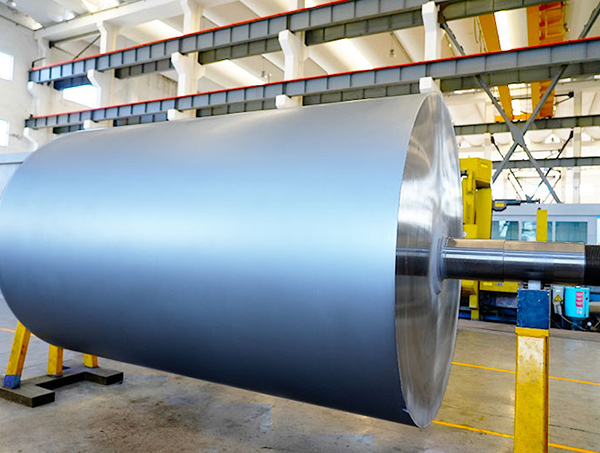
Dedicated to developing and manufacturing various shapes of rolls with different roll structures.
Phone: +86-15371769898
Email: [email protected]
Add: 9 Lifa Avenue, Chengdong Town, Haian County, Nantong City, Jiangsu Province, China
Copyright© 2025 Jiangsu Jinhang Machinery Manufacturing Co., Ltd. All Rights Reserved.
 Custom Thin Walled Roller Manufacturers


 English
 русский
 Deutsch