+86-15371769898
 [email protected]
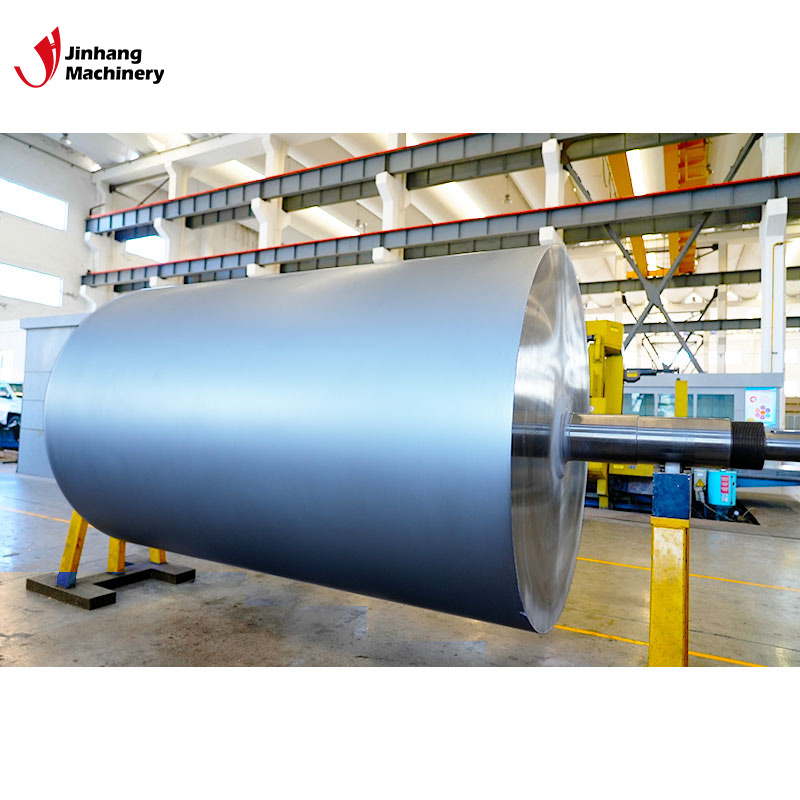
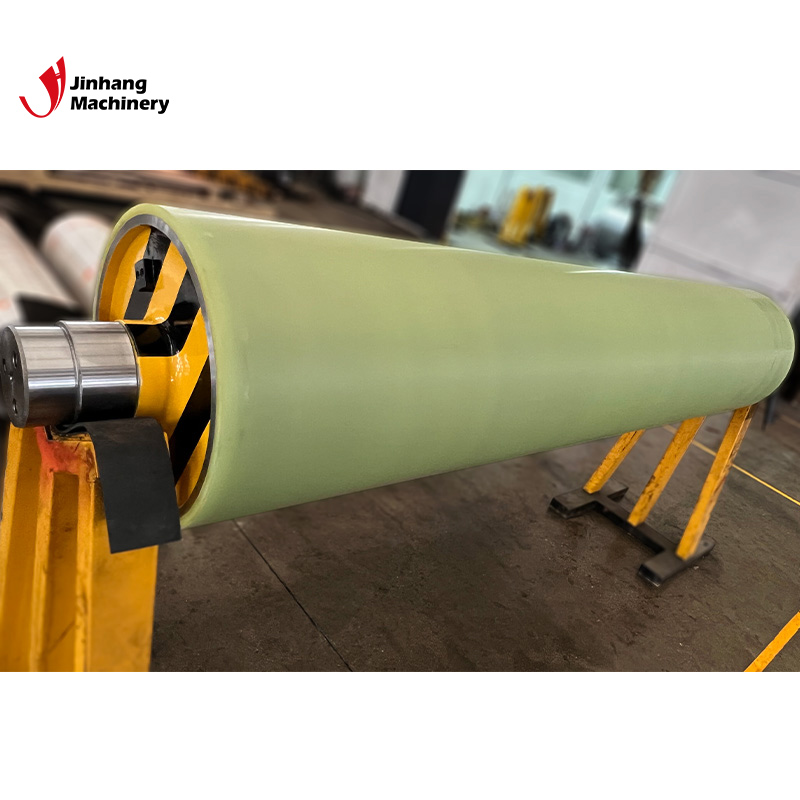
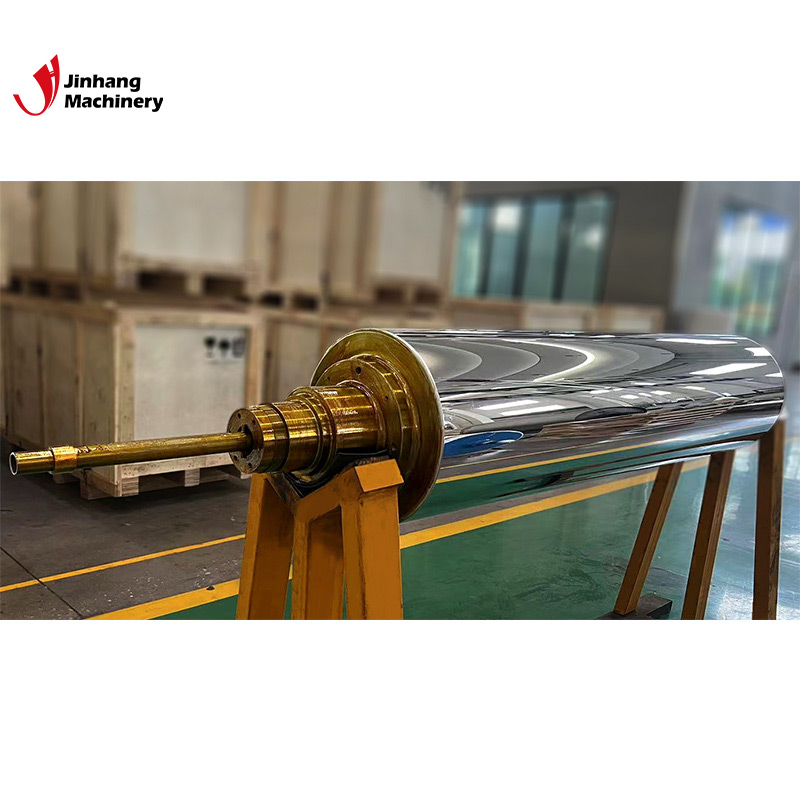
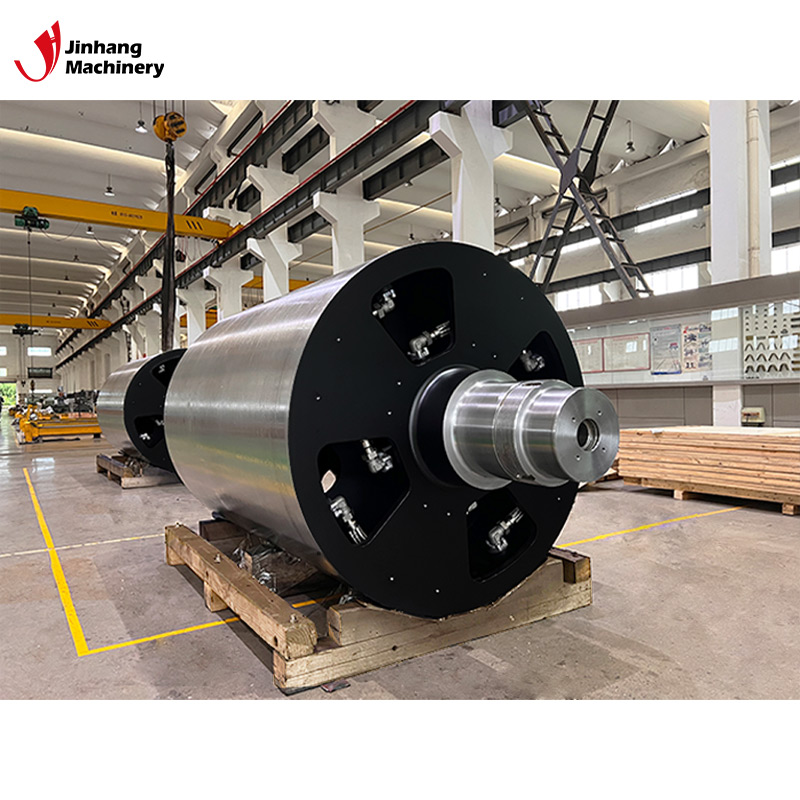
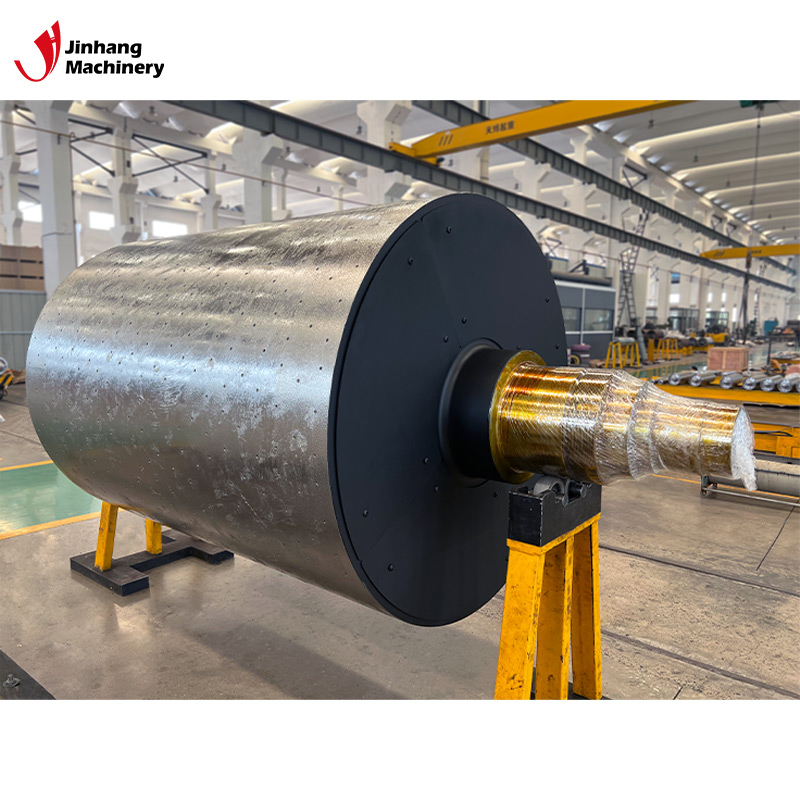
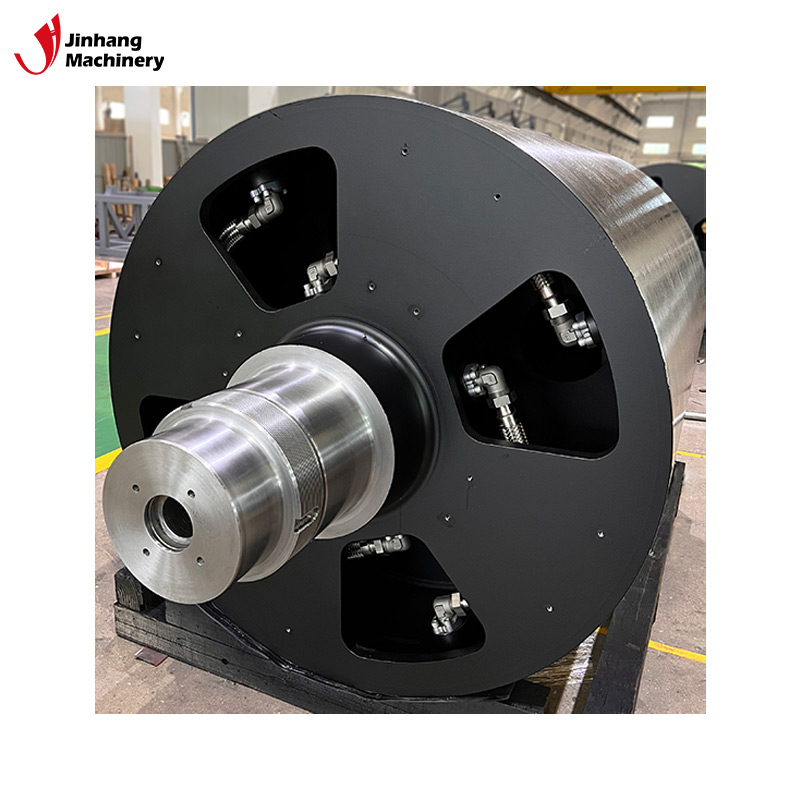
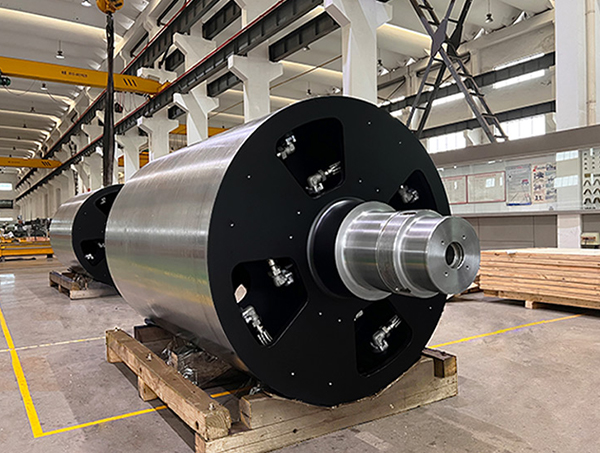
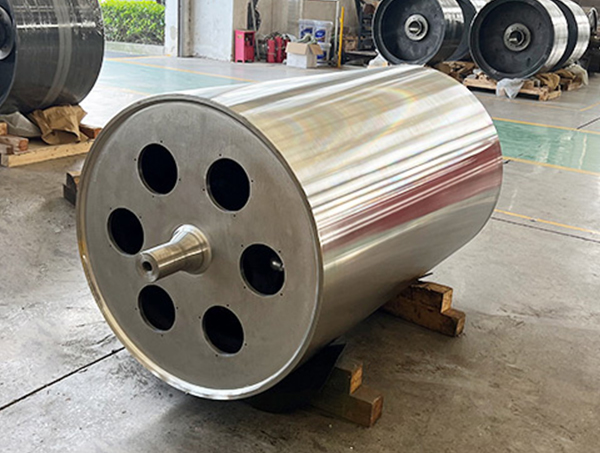
+86-15371769898[email protected]A water quenching roller is a specialized cooling roller used in steel rolling and heat treatment lines to rapidly cool hot steel bars, wire rod, or plate by combining mechanical roller transport with direct water spray or immersion cooling, achieving cooling rates of 20–50°C per second depending on section size and water flow rate. These rollers are positioned immediately after the finishing mill or heat treatment furnace, where they perform two functions simultaneously: physically guiding and supporting the moving steel product, and delivering controlled, high-volume water contact to rapidly reduce surface and core temperature. This dual function makes water quenching rollers essential for achieving specific microstructures — such as martensite, bainite, or refined pearlite — that determine the final mechanical properties of the steel.
In short: water quenching rollers work by synchronizing precise water delivery with continuous product movement, allowing mills to control cooling rate, uniformity, and final metallurgical structure without interrupting production flow.
The fundamental operation of a water quenching roller system revolves around controlled heat extraction while the steel is in continuous motion.
As hot steel exits the finishing stand at temperatures typically between 850°C and 1,050°C, it passes through a series of rotating rollers that maintain proper alignment, prevent bending or twisting, and control the line speed — often in the range of 1–20 meters per second depending on product type.
Integrated nozzles positioned around or within the roller assembly direct high-pressure water jets — typically at pressures of 0.3–1.2 MPa — onto the steel surface as it passes through. The water forms a vapor blanket briefly before direct contact cooling begins, a phenomenon known as the Leidenfrost effect, which engineers must account for when calculating actual cooling rates.
As heat is rapidly removed, the steel's microstructure transforms based on the cooling rate achieved. Faster, more uniform cooling produces finer grain structures and higher strength, while controlled, slightly slower cooling can be used to achieve specific ductility targets for downstream processing.
A typical water quenching roller system integrates several coordinated subsystems to achieve consistent performance under continuous, high-temperature operation.
| Component | Function | Typical Material |
|---|---|---|
| Roller Body | Supports and guides moving steel | Forged alloy steel or ductile iron |
| Spray Header/Nozzles | Delivers controlled water volume | Stainless steel |
| Bearing Assembly | Supports roller rotation under load | Sealed, water-resistant bearings |
| Drive System | Synchronizes roller speed with line speed | Gear motor with VFD control |
| Water Recirculation System | Filters and recycles quenching water | Piping, pumps, filtration units |
Water quenching rollers are deployed across several stages of steel production, each with distinct process requirements.
Positioned directly after the finishing block, these rollers rapidly cool wire rod to control grain refinement, enabling downstream drawing operations without excessive intermediate annealing.
For rebar and structural bar production, water quenching rollers can achieve surface hardness gradients while leaving the core austenitic, later self-tempering through residual core heat — a process that can improve yield strength by 15–20% compared to conventionally cooled products.
In continuous heat treatment lines, roller quenching provides uniform top-and-bottom cooling for plates, which is critical to minimizing distortion and residual stress across wide product widths.
Achieving consistent metallurgical results requires careful control of several interdependent variables.
Because water quenching rollers operate under continuous thermal cycling and moisture exposure, they are subject to specific wear and failure patterns that require targeted maintenance.
Repeated heating and rapid cooling cycles cause surface cracking on roller bodies over time. Rollers in high-throughput lines may require surface inspection every 3–6 months, with hardfacing or resurfacing performed once crack depth exceeds acceptable tolerances.
Constant water exposure accelerates bearing wear if seals are compromised. Scheduled seal replacement and bearing lubrication checks help prevent unplanned downtime, which in continuous casting or rolling lines can cost significantly more than the maintenance itself.
Mineral deposits and scale from recirculated water can restrict nozzle flow, reducing cooling uniformity. Regular flushing and water filtration system maintenance help sustain consistent spray patterns.
When specifying or upgrading a water quenching roller system, mills should evaluate the following:
Water quenching rollers combine mechanical transport with precisely controlled water cooling to achieve targeted microstructures and mechanical properties in steel rolling and heat treatment lines. Their performance depends on a well-matched combination of water flow, line speed, and roller design, while long-term reliability requires proactive maintenance against thermal fatigue, bearing wear, and nozzle scaling. For mills producing wire rod, quenched and tempered bar, or heat-treated plate, understanding these operating principles is essential to maintaining consistent product quality and minimizing unplanned downtime.
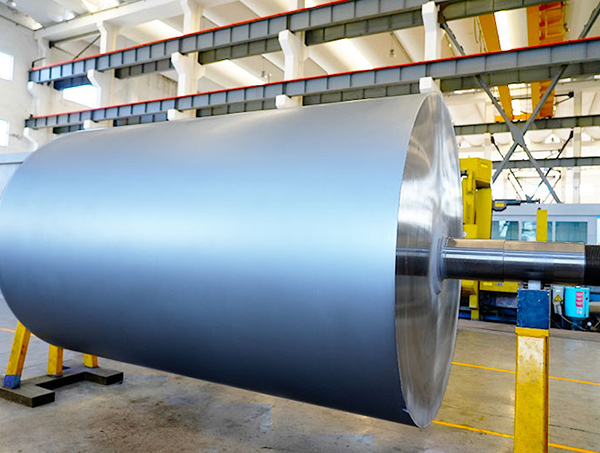
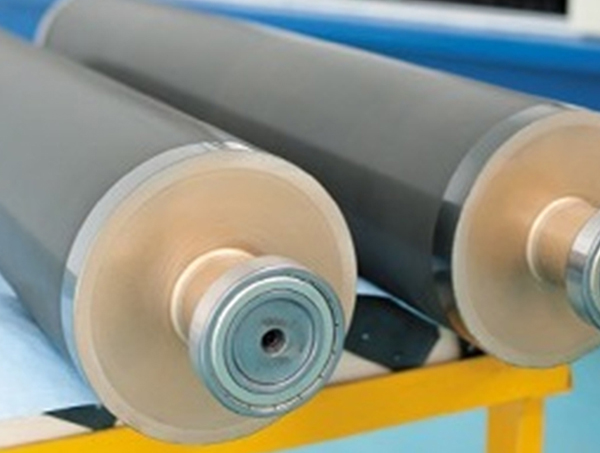
Dedicated to developing and manufacturing various shapes of rolls with different roll structures.
Phone: +86-15371769898
Email: [email protected]
Add: 9 Lifa Avenue, Chengdong Town, Haian County, Nantong City, Jiangsu Province, China
Copyright© 2025 Jiangsu Jinhang Machinery Manufacturing Co., Ltd. All Rights Reserved.
 Custom Thin Walled Roller Manufacturers


 English
 русский
 Deutsch