+86-15371769898
 [email protected]
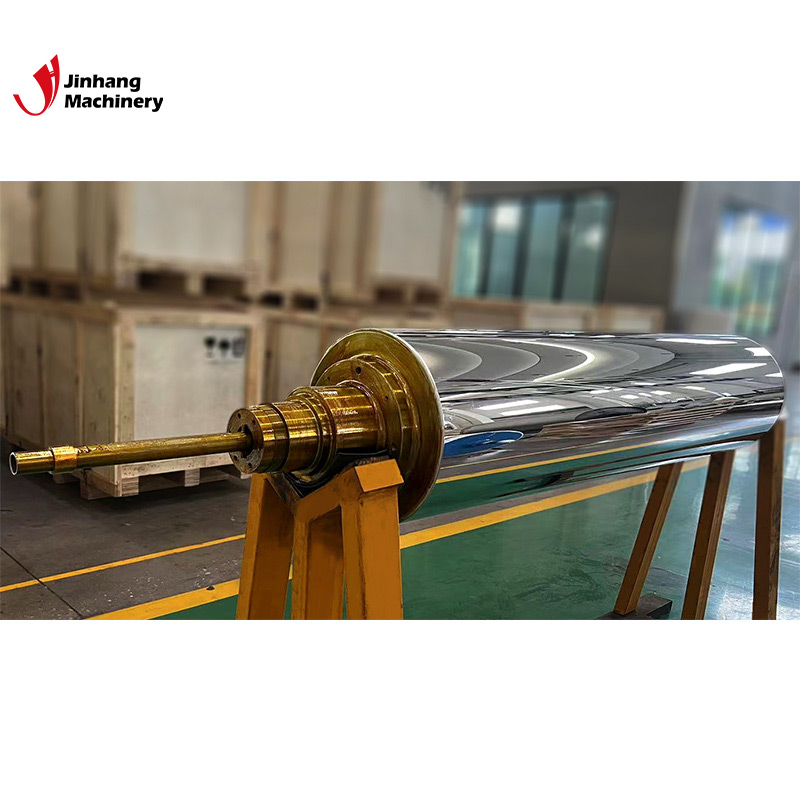
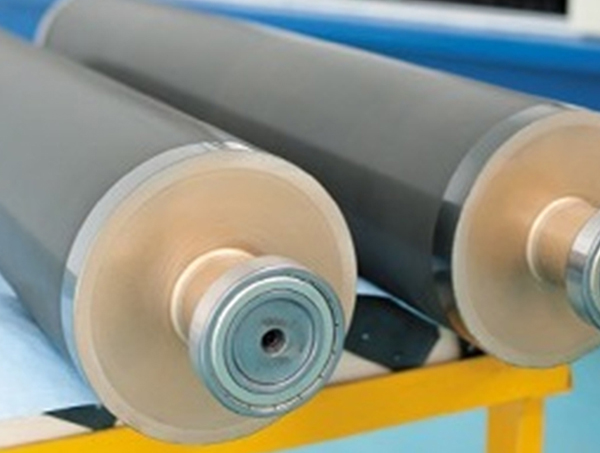
+86-15371769898[email protected]A hard alloy coated roller is an industrial roller with a base substrate—typically steel—covered by a layer of wear-resistant alloy material such as tungsten carbide, chrome carbide, or cobalt-based alloys, applied through processes like thermal spraying or welding overlay. This coating dramatically increases the roller's surface hardness, often reaching 60-70 HRC or higher, compared to roughly 20-30 HRC for untreated steel.
In short: a hard alloy coated roller extends service life, reduces downtime from wear and corrosion, and maintains dimensional accuracy in demanding industrial applications such as metal processing, printing, and material handling — often lasting 3-5 times longer than uncoated rollers.
Coating thickness varies depending on the application method and intended use, typically ranging from 0.1-0.5 mm for sprayed coatings to 2-6 mm for welded overlay coatings on heavy-duty industrial rollers.
| Coating Material | Approx. Hardness | Key Advantage |
|---|---|---|
| Tungsten Carbide (WC-Co) | 68-72 HRC | Exceptional abrasion resistance |
| Chrome Carbide | 60-65 HRC | Good wear and heat resistance |
| Cobalt-Based Alloy (Stellite) | 45-55 HRC | High corrosion and oxidation resistance |
| Nickel-Based Alloy | 40-50 HRC | Strong resistance to chemical corrosion |
By replacing the soft, wear-prone surface of a standard steel roller with a hardened alloy layer, components experience significantly less surface erosion under friction, abrasive materials, or repeated mechanical loading — directly reducing replacement frequency and associated downtime costs.
Rollers used in precision applications, such as printing or film processing, must maintain very tight tolerances. A hard alloy coating resists deformation and surface wear, helping the roller maintain its original diameter and surface finish over thousands of operating hours.
Many hard alloy coatings, particularly cobalt- and nickel-based formulations, also provide strong resistance to oxidation and chemical attack, making coated rollers suitable for high-temperature processing lines and corrosive environments such as chemical plants or coastal facilities.
Selecting the correct hard alloy coating depends primarily on the dominant failure mode in your process — abrasion, corrosion, heat, or impact. For pure abrasion resistance, tungsten carbide coatings typically offer the best performance. For environments combining heat and corrosion, cobalt or nickel-based alloys are often preferred. Coating thickness and application method should also be matched to the roller's tolerance requirements, since thicker overlay coatings may require additional machining to achieve final dimensions.
When specified correctly, hard alloy coated rollers can reduce maintenance costs and unplanned downtime substantially compared to uncoated alternatives, making them a cost-effective investment for high-wear industrial environments.
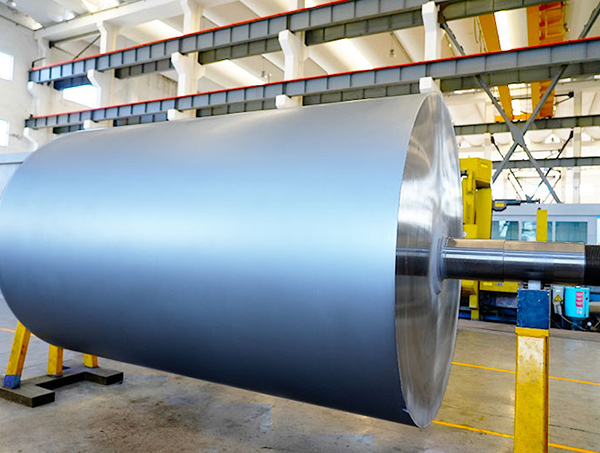
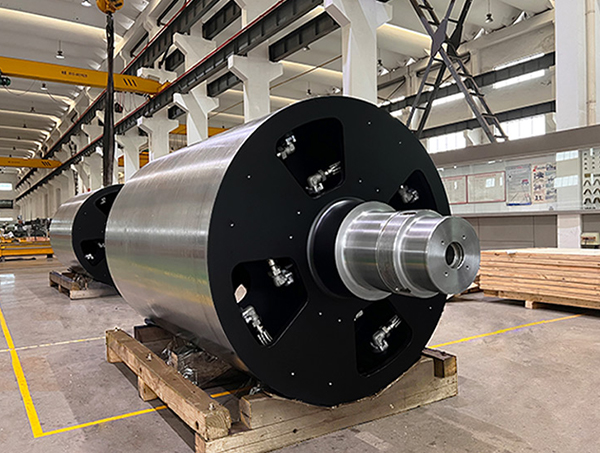
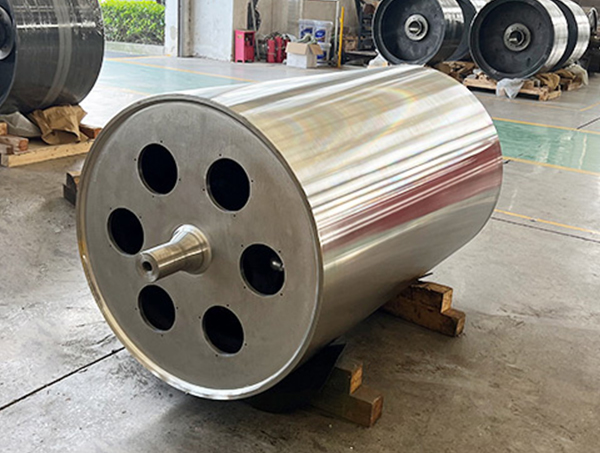
Dedicated to developing and manufacturing various shapes of rolls with different roll structures.
Phone: +86-15371769898
Email: [email protected]
Add: 9 Lifa Avenue, Chengdong Town, Haian County, Nantong City, Jiangsu Province, China
Copyright© 2025 Jiangsu Jinhang Machinery Manufacturing Co., Ltd. All Rights Reserved.
 Custom Thin Walled Roller Manufacturers


 English
 русский
 Deutsch