+86-15371769898
 [email protected]
+86-15371769898[email protected]Industrial rolls are the workhorses of countless production lines—from printing and packaging to papermaking and metalworking. A roll that runs true, maintains its surface finish, and stays within tolerance is the difference between smooth operations and costly downtime. Over the years, we at Jiangsu Jinhang Machinery have manufactured thousands of rolls for customers across diverse industries, and we’ve seen firsthand how a disciplined inspection routine extends roll life, improves product quality, and saves money. In this guide, we share practical, field-tested advice on industrial roll inspection that any maintenance team can put to use.
Regular inspection is not just about catching problems before they become catastrophic. It’s about maintaining process consistency. A worn or misaligned roll can introduce defects in the web, cause uneven coating, generate vibration, and even damage downstream equipment. In our experience working with papermaking and printing & publishing facilities, a well-structured inspection program reduces unplanned downtime by up to 40%. It also helps you plan maintenance around production schedules rather than reacting to emergencies.
The following table summarizes the essential parameters to check during a routine industrial roll inspection. Use this as a starting point and tailor the frequency and methods to your specific operation.
| Inspection Item | What to Look For | Typical Frequency | Suggested Tool |
|---|---|---|---|
| Surface wear / damage | Scratches, pits, dents, corrosion, coating delamination | Daily or after each run | Visual inspection, magnifying glass |
| Rubber cover condition | Cracks, swelling, hardening, blistering (for rubber rolls) | Weekly | Shore durometer, visual check |
| Hardness | Uniformity across face; compare to original spec | Monthly | Shore A / D durometer |
| Runout (Total Indicated Runout – TIR) | Excessive radial movement during rotation | Quarterly or after bearing replacement | Dial indicator on the journal |
| Journal & bearing seats | Wear, scoring, fretting, corrosion | During bearing change | Micrometer, visual inspection |
| Vibration | Abnormal amplitude or frequency | Monthly (continuous monitoring ideal) | Vibration analyzer |
| Coating integrity (if applicable) | Flaking, blistering, thickness variation | Quarterly | Eddy current or ultrasonic gauge |
| Balance | Unbalance causing vibration or noise | Annually or after re-coating | Dynamic balancing machine |
| Heating/cooling channels (for heated/chill rolls) | Blockage, leaks, temperature uniformity | Annually | Temperature sensors, flow test |
Keep detailed records for each roll. Consistent data lets you spot trends—for example, a gradual increase in runout may indicate a bearing issue long before failure. When you notice anomalies, don’t wait. A small surface scratch on an uncoated steel roll can often be polished out, but if left unchecked it can lead to deeper cracks.
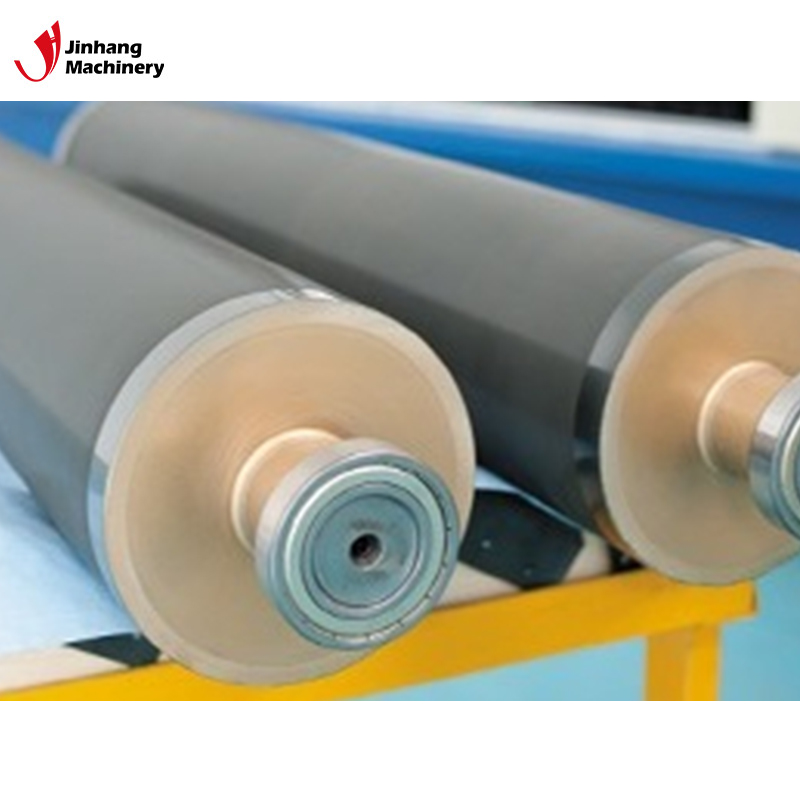
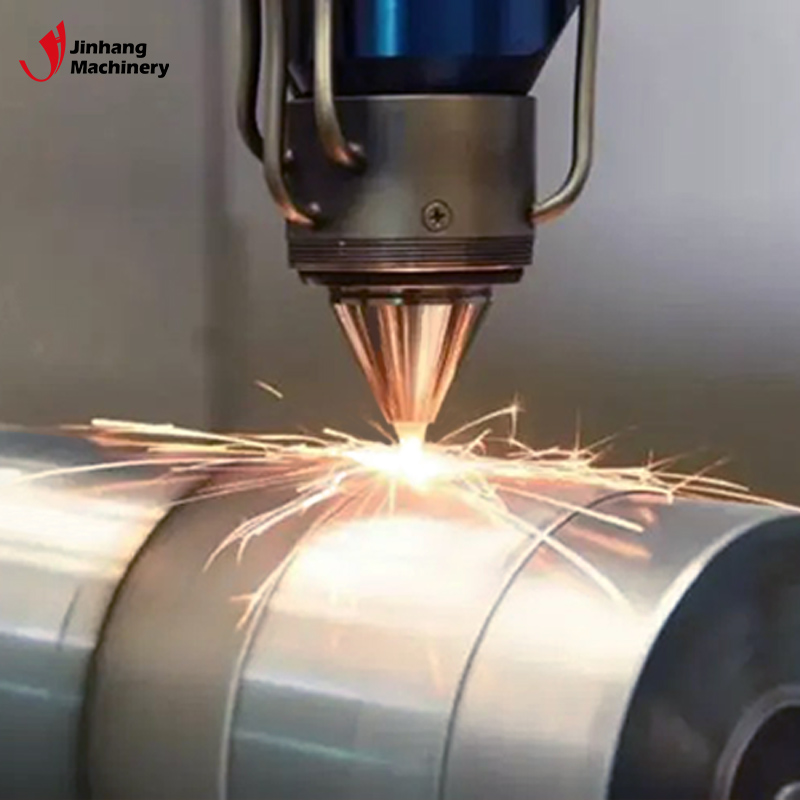
In our shop, we see more surface-related problems than any other type. For 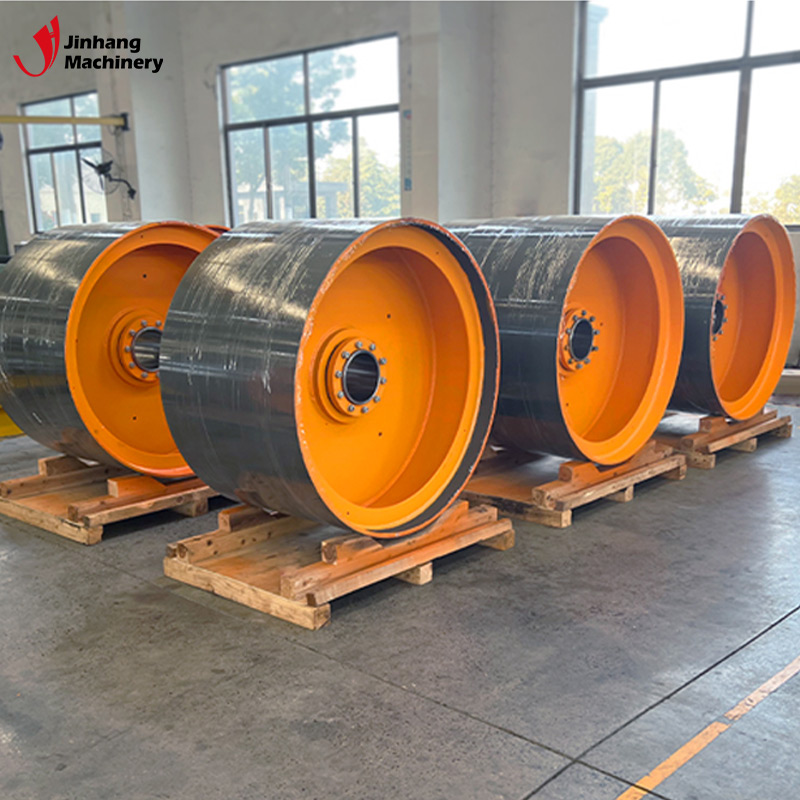 Tungsten Carbide Coated Roller for Wear and Corrosion ResistanceThis roller uses tungsten carbide coating to resist chipping and wear in abrasive environments, as discussed in the prior section on surface defects. Its durability helps prevent coating failure and extends service life.View Product →hard chrome or tungsten carbide coated rolls, the coating can chip or wear thin, especially if the roll is used in abrasive environments like metalworking or rubber processing. A quick visual check should become part of every shift change. If you see exposed base metal, the roll needs to be re-coated or replaced before the damage propagates.
A roll that looks fine at rest can still have unacceptable runout. We recommend measuring TIR at the center of the face and near each edge. For a precision 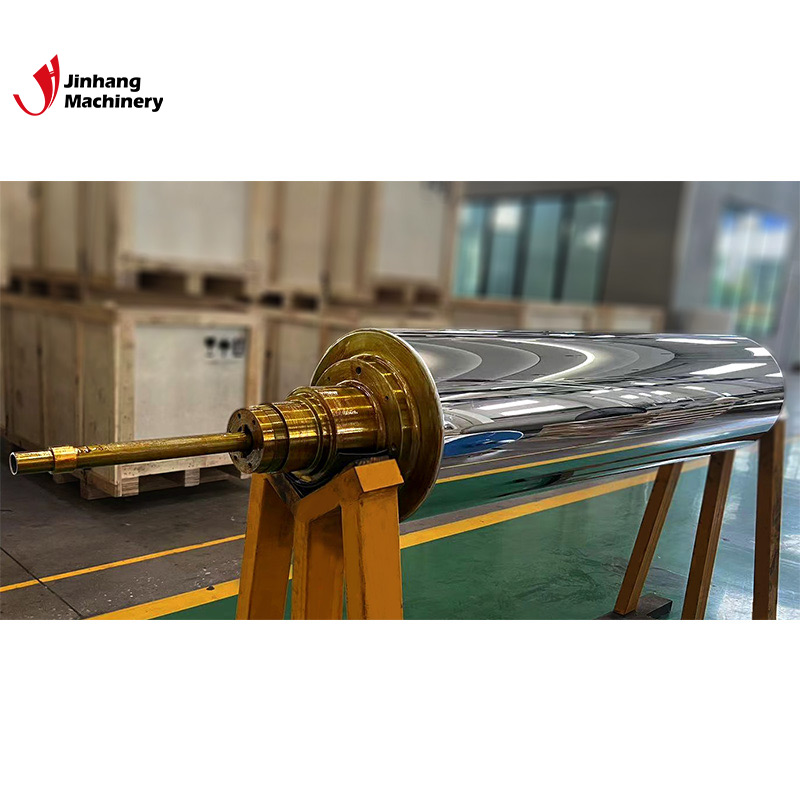 Precision Ground Super Mirror Roller for Ultra-Smooth FinishWith extremely low surface roughness and a mirror finish, this roller minimizes defects in coated or printed materials. It is ideal for high-speed applications where dimensional stability and cleanliness are critical, as noted after runout discussion.View Product →mirror roller in a coating or laminating line, runout should typically be less than 0.02 mm. Higher values will cause streaking and uneven thickness. Vibration analysis is especially useful for high-speed applications. Remember that vibration can originate from the roll itself (unbalance, out-of-roundness) or from external sources like misaligned bearings or foundation issues.
Even experienced teams sometimes fall into these traps:
There is no one-size-fits-all answer because operating conditions vary widely. However, drawing from our field experience with clients in rubber & plastics, we suggest the following baseline:
For rolls operating in harsh environments—high temperature, corrosive chemicals, heavy loads—shorten these intervals. We’ve seen rolls in a steel pickling line that require quarterly coating inspections to avoid sudden failure.
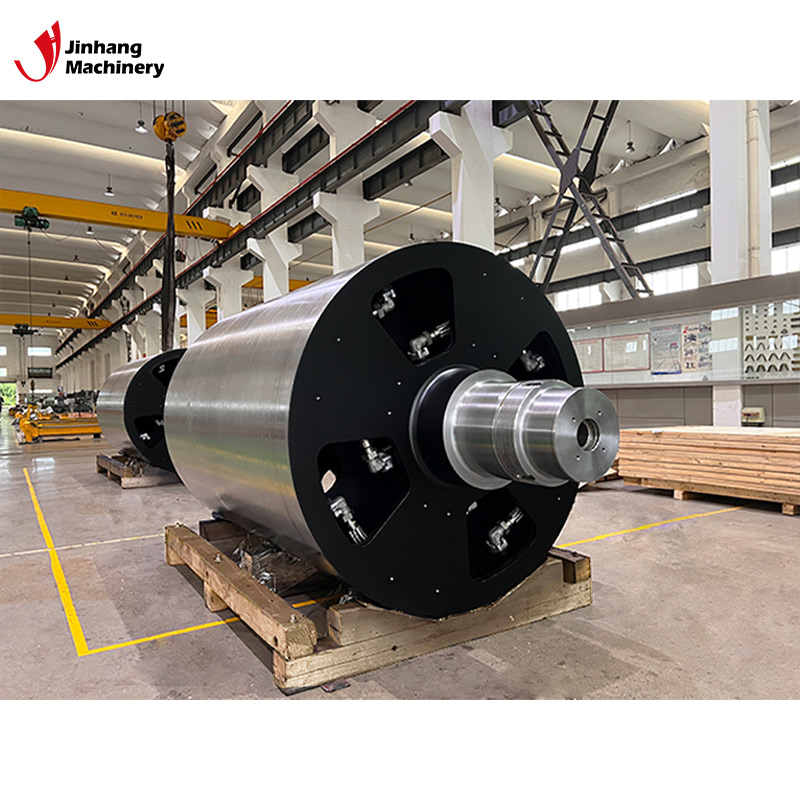
At Jiangsu Jinhang Machinery, we don’t just build rolls; we understand how they behave under real-world conditions. Our Uniform Cooling Mirror Cooling Roller for Consistent Temperature ControlDesigned with uniform channel geometry to prevent hot spots, this roller ensures even cooling in high-speed production. Its mirror-polished surface enhances material release, reducing waste and downtime in packaging and film extrusion.View Product →cooling rolls, for instance, are designed with uniform channel geometry to prevent hot spots—a feature that also simplifies inspection because temperature gradients are predictable. When you know the design intent, you can spot deviations faster.
We also offer custom roll solutions for unique applications. If your inspection reveals that a standard roll design is not meeting your needs—maybe surface hardness is insufficient or thermal response is too slow—our engineering team can propose a modified design. Remember, a well-designed roll requires less frequent inspection and longer intervals between servicing.
Finally, keep your team trained. A knowledgeable inspector who understands roll geometry, materials, and failure modes will catch problems early. We’re always happy to share our experience—don’t hesitate to reach out if you have questions about a specific roll type or application.
Industrial roll inspection is not a luxury; it is a core maintenance discipline that protects your production line’s efficiency and product quality. By following a structured checklist, avoiding common mistakes, and tapping into manufacturer expertise, you can extend roll life and reduce unplanned downtime. Whether you operate a single roll stand or a multi-station line, the principles remain the same: inspect systematically, document thoroughly, and act promptly. And remember, you don’t have to do it alone—your roll manufacturer can be your best partner in developing an inspection plan tailored to your operation.
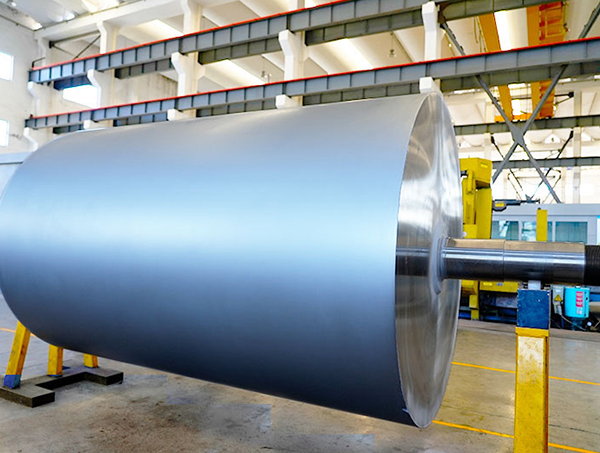
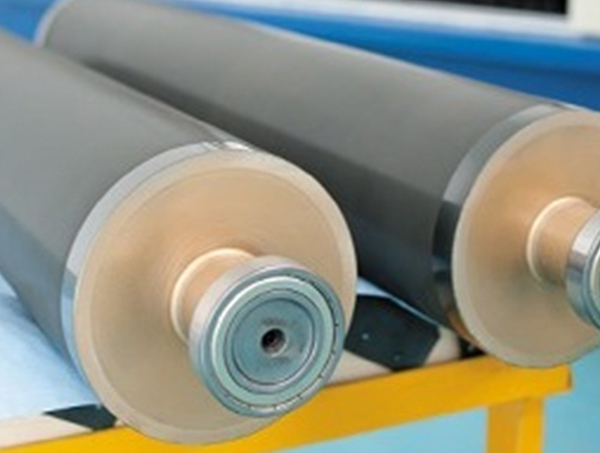
Dedicated to developing and manufacturing various shapes of rolls with different roll structures.
Phone: +86-15371769898
Email: [email protected]
Add: 9 Lifa Avenue, Chengdong Town, Haian County, Nantong City, Jiangsu Province, China
Copyright© 2025 Jiangsu Jinhang Machinery Manufacturing Co., Ltd. All Rights Reserved.
 Custom Thin Walled Roller Manufacturers


 English
 русский
 Deutsch