+86-15371769898
 [email protected]
+86-15371769898[email protected]An anilox roller is one of the hardest working parts on a flexo press, a coating unit, or a corrugated line, and one of the quietest when it starts to go wrong. The ceramic surface still looks smooth, the press still runs, and the only real symptom is a print that slowly loses density. By the time somebody notices, the cells are often half full of dried ink, and the answer is usually not a new roller but a proper anilox cleaning service.
We build rollers for a living, so we spend almost as much time talking about cleaning as we do about manufacturing. This guide gathers what we have learned about what cleaning can recover, what it cannot, and how to choose a service that will not quietly damage the roller you already own.
An anilox roller carries ink inside thousands of laser-engraved cells, and the volume it can hold is measured in billion cubic centimetres per square inch, or BCM. Print density, colour and coating weight all depend on that number staying stable. Which is exactly why clogging is so frustrating: it happens at the bottom of the cell, where nobody can see it.
Water-based inks dry quickly and leave calcium and pigment residue behind. UV inks cure hard. Varnishes and adhesives leave a film. Every layer reduces usable volume a little, and a daily solvent wipe only reaches the top of the cell. Two habits make matters worse: running doctor blade pressure higher than the job needs, and cleaning with abrasive pads or wire brushes, which round off the delicate cell walls.
Most professional services use one of three approaches, and the honest answer is that none of them is best for every roller. What matters is matching the method to the ink system, the roller and the amount of residue.
A focused beam vaporises dried residue inside the cells without touching the ceramic. There is no media to embed, no water to dry, and no mechanical force on the cell walls, which makes it a good match for ceramic rollers that must keep their exact geometry. The trade-off is that laser systems are capital-intensive, so most printers buy the service rather than the machine.
Rollers are immersed in an alkaline or solvent bath while ultrasonic waves agitate the liquid and lift residue out of the cells. This reaches the full depth of the cell and handles water-based residue well. It does need careful rinsing and drying, and the bath chemistry has to suit the roller: exposed aluminium ends, bearings and any rubber components should never go into an aggressive bath.
Fine plastic media, soda or dry ice pellets are blasted across the surface. Dry ice sublimates and leaves no residue, which makes it convenient for on-press work. Abrasive media always carry risk: hit the ceramic too hard and the cell walls round over, permanently reducing volume. If a service offers blasting, ask what media they use and how they verify geometry afterwards.
| Method | Works best on | Risk to cell geometry | Typical turnaround |
|---|---|---|---|
| Laser | Ceramic rollers with stubborn UV or water-based residue | Low, when the beam is set correctly | Often same day |
| Ultrasonic or chemical bath | Water-based ink, coating and varnish build-up | Low, if the chemistry suits the roller | One to two days |
| Dry ice blasting | Light build-up and on-press cleaning | Low, no media residue | Minutes on press |
| Plastic media blasting | Heavy, long-ignored build-up | Moderate to high | Same day |
No roller announces that it needs cleaning. What you get instead is a set of small signals:
Cleaning is almost always the cheaper first move, and for a roller in good condition it can bring volume back close to the original specification. But cleaning has limits. If the ceramic coating is chipped, if the cell walls are visibly rounded under magnification, or if the measured volume stays low after a proper clean, the roller is finished, because no service can add ceramic back.
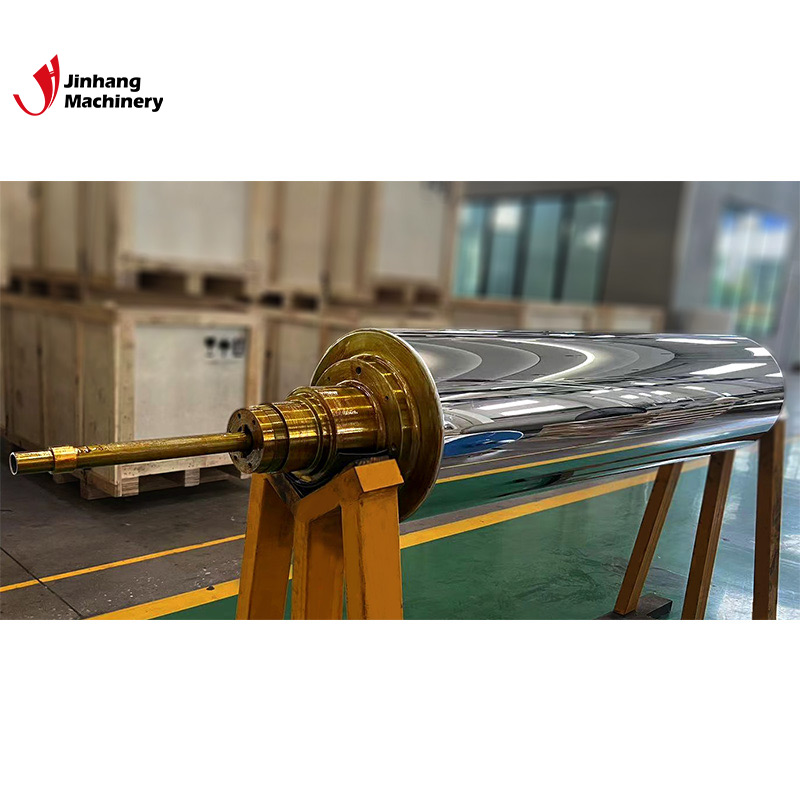
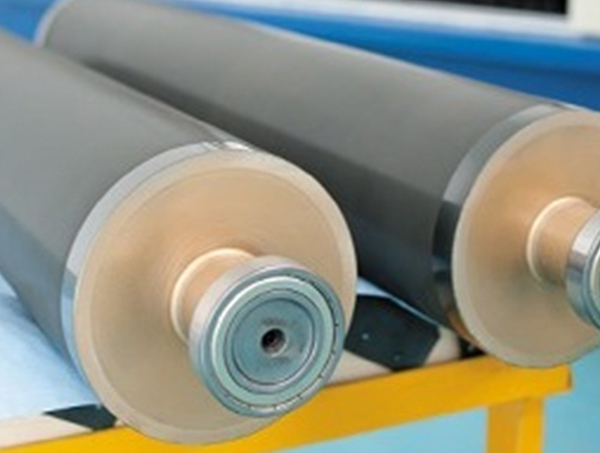
In that case the honest answer is a new roller, made to the job you are actually running. Our aluminum ceramic anilox roller is laser-engraved to a specified line count and BCM, so a replacement starts from the same numbers your press was set up for instead of whatever happens to be sitting in the rack.
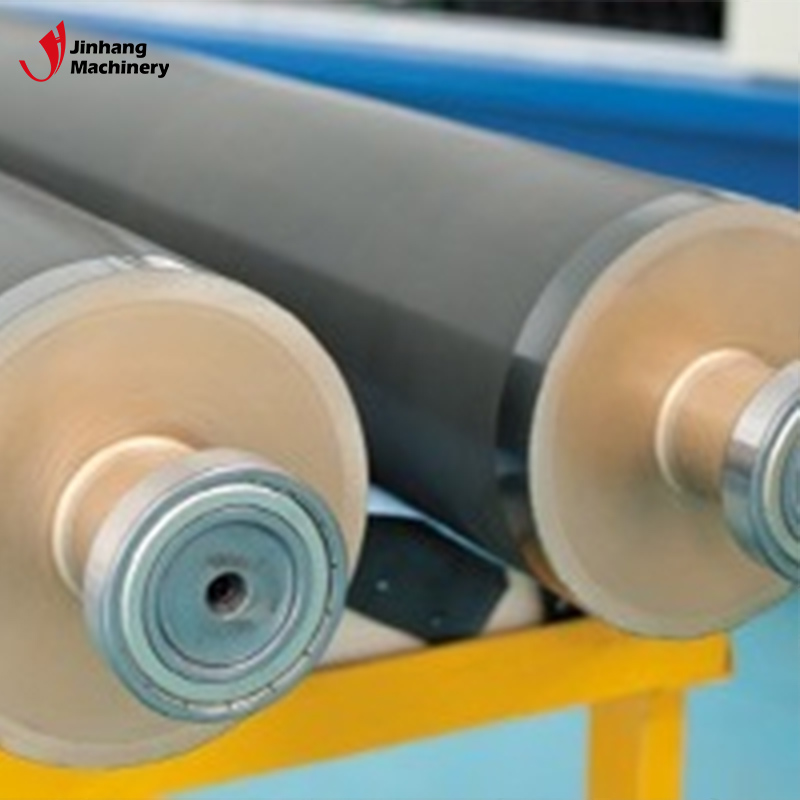 Custom Aluminum Ceramic Anilox Roller for Flexographic PrintingA customizable aluminum ceramic anilox roller for flexographic printing, built to specified line count and BCM for consistent ink transfer.View Product →
A roller that leaves our workshop has been ground and coated to a specification, then checked at every stage of production before it ships. That background shapes how we think about cleaning: the goal is never a shiny surface, it is a stable BCM number. Ceramic is hard, but the coating is thin, and the bond between coating and base matters as much as the coating itself. Aggressive mechanical cleaning removes more than ink, it removes the sharp edges that make the cell meter correctly.
Where ceramic is not practical, for instance on some coating and laminating lines or in applications with heavy doctor blade load, a wear-resistant metal anilox roller can be the more sensible choice, and it tolerates a slightly different cleaning routine.
Custom Wear-Resistant Metal Anilox Roller for Flexographic and Gravure PrintingA custom metal anilox roller for applications where ceramic is impractical, offering wear resistance and uniform ink transfer under abrasive inks and doctor blade contact.View Product →An annual clean will not rescue a roller that is abused in between. A simple routine keeps the numbers steady:
When cleaning is done properly and on a schedule, an anilox roller can hold its specification for years. For printing and publishing operations, treating BCM as a controlled number rather than an assumption is usually the difference between steady colour and a lot of chasing.
If you are weighing a cleaning quote against a replacement, send us the BCM reading and the line count and we will give you a straight answer, even when that answer is simply to clean it again. You can reach our team through the contact page.
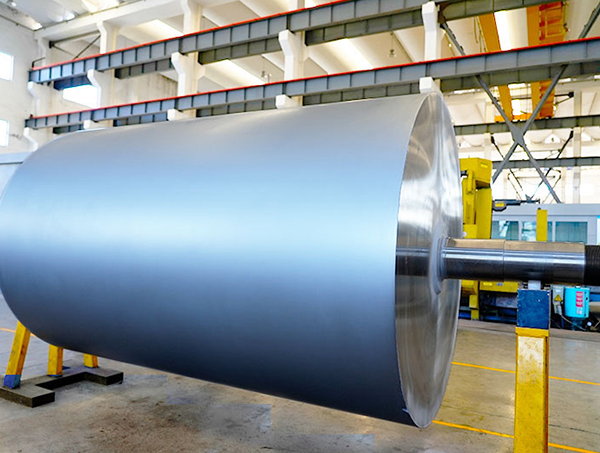
Dedicated to developing and manufacturing various shapes of rolls with different roll structures.
Phone: +86-15371769898
Email: [email protected]
Add: 9 Lifa Avenue, Chengdong Town, Haian County, Nantong City, Jiangsu Province, China
Copyright© 2025 Jiangsu Jinhang Machinery Manufacturing Co., Ltd. All Rights Reserved.
 Custom Thin Walled Roller Manufacturers


 English
 русский
 Deutsch